

Macrobiotic Diet
Also known as: Macro Diet, Yin-Yang Diet
Overview
The macrobiotic diet is an eating pattern centered on whole grains, vegetables, beans, sea vegetables, and minimally processed foods, with philosophical roots in Japanese and broader East Asian ideas about harmony, balance, and living in alignment with nature. Although often described simply as a plant-forward diet, macrobiotics is more than a menu plan: it traditionally includes views about seasonality, food preparation, mindful eating, and balancing so-called yin and yang qualities of foods and lifestyle. Different versions exist, ranging from relatively flexible approaches to more restrictive interpretations.
Historically, the modern macrobiotic movement in the West is associated with George Ohsawa and later Michio Kushi, who popularized a dietary pattern emphasizing brown rice and other whole grains as staples, supported by vegetables, legumes, fermented foods, and soups. Many contemporary macrobiotic-style diets also include small amounts of seeds, nuts, fruit, and sometimes fish, while typically limiting or excluding red meat, poultry, dairy, eggs, refined sugar, and heavily processed foods. The exact composition can vary considerably by practitioner, philosophy, and health context.
Interest in the macrobiotic diet has persisted because it overlaps with several nutrition patterns associated with general health benefits, particularly its emphasis on fiber-rich plant foods, low intake of ultra-processed foods, and culinary simplicity. At the same time, its more restrictive forms have raised concerns in nutrition and medical literature about inadequate energy intake and possible shortfalls in vitamin B12, vitamin D, calcium, iron, zinc, and omega-3 fats, especially in children, pregnant people, older adults, or anyone with increased nutritional needs. For this reason, healthcare and nutrition professionals often distinguish between a macrobiotic-inspired whole-food plant pattern and a highly restrictive macrobiotic regimen.
From a public health perspective, the macrobiotic diet is best understood as a traditional philosophy-informed dietary pattern that shares features with other whole-food, predominantly plant-based diets. Research on macrobiotics specifically is more limited than research on Mediterranean, DASH, or general vegetarian diets. Still, studies suggest that dietary patterns resembling macrobiotic eating may support cardiometabolic health, weight management, and improved diet quality, while also requiring careful attention to nutritional adequacy. Any individual considering a highly restrictive version is commonly encouraged in conventional settings to discuss it with a qualified healthcare professional or registered dietitian.
Medical Perspectives
Two Ways of Seeing Health

Western
scientific · clinical
Western medicine applies science, technology, and clinical experience to treat symptoms through testing, diagnosis, and targeted intervention.

Eastern
traditional · alternative
Eastern medicine focuses on treating the body naturally by applying traditional knowledge practiced for thousands of years, emphasizing balance and whole-person wellness.
Gold Bamboo presents both perspectives side-by-side so you can make informed decisions. We don't advocate for one over the other — your health choices are yours.
Western Medicine Perspective
Western / Conventional Medicine Perspective
In conventional medicine, the macrobiotic diet is usually evaluated through the lens of nutrient adequacy, chronic disease risk, and overall dietary pattern quality. Its core foods—whole grains, legumes, vegetables, and fermented foods—align with many evidence-based principles of preventive nutrition. Diets high in these foods are associated in research with higher fiber intake, improved lipid profiles, better glycemic regulation, lower blood pressure, and reduced risk of some chronic diseases. Because macrobiotic diets tend to be low in saturated fat and rich in phytonutrients, they may compare favorably with typical Western dietary patterns in several metabolic markers.
However, conventional nutrition science also notes that strict macrobiotic regimens can become overly restrictive. Published analyses of macrobiotic-style diets have identified possible deficiencies in vitamin B12, and in some cases calcium, vitamin D, iron, zinc, riboflavin, and total protein or energy intake, depending on food variety and individual needs. In pediatric and maternal nutrition, these concerns are especially important, as restrictive diets may affect growth, bone health, and developmental outcomes if not carefully planned. Modern clinicians therefore often view macrobiotics as potentially health-promoting in principle, but variable in safety depending on how broadly or narrowly the diet is implemented.
Conventional medicine also takes a cautious view of historical claims that macrobiotics can treat serious illness, including cancer. Current evidence does not support describing the diet as a cure for major diseases. Instead, research suggests it may function as a supportive dietary pattern within the broader context of healthy lifestyle practices. As with any restrictive eating system, medical professionals generally emphasize individualized assessment, especially for people with chronic illness, eating disorders, gastrointestinal conditions, pregnancy, or advanced age.
Eastern & Traditional Perspective
Eastern / Traditional Medicine Perspective
In traditional and East Asian-informed frameworks, the macrobiotic diet is often understood as a way of eating that fosters balance, moderation, and alignment with natural rhythms. The concept of yin and yang plays a central role in many macrobiotic teachings: foods are viewed not only by nutrient content but also by their energetic qualities, temperature, direction of growth, water content, and perceived effects on the body and mind. In this view, health is supported by eating foods that are locally adapted, seasonal, simply prepared, and balanced in energetic nature, rather than excessively extreme in one direction.
Traditional macrobiotic thought commonly favors whole grains as a stable center, with vegetables, legumes, sea vegetables, soups, and fermented foods contributing variety and harmony. Cooking methods also matter; simmering, steaming, fermenting, and other gentle preparations are often considered part of the therapeutic logic of the diet. Rather than focusing narrowly on calories or macronutrients, this perspective places value on digestibility, vitality, environmental connection, and mindful living. Meals may be considered in relation to climate, constitution, age, and daily activity.
Related traditional systems may interpret the principles somewhat differently. Traditional Chinese Medicine often frames food in terms of warming, cooling, drying, moistening, and organ-system affinities, while Ayurveda classifies foods according to qualities, tastes, and effects on digestive fire and constitutional balance. Naturopathic nutrition may emphasize whole-food, low-toxin, minimally processed eating with attention to digestive health and lifestyle context. Across these systems, the macrobiotic diet is generally valued less as a rigid formula and more as a discipline of balance and food awareness. Even so, traditional frameworks also recognize that one diet does not suit everyone equally, and that constitution, life stage, and health status matter.
Supplements & Products
Recommended Products

The Macrobiotic Way: The Definitive Guide to Macrobiotic Living: Kushi, Michio, Blauer, Stephen, Esko, Wendy
From the time of his illness until his death at the age of seventy-four, Ohsawa devoted himself to defining macrobiotics as it applies to modern living. He did much to spread information about the mac
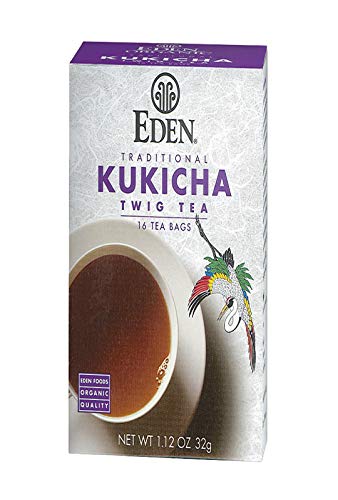
Eden Twig Tea, Tea Bags, Kukicha, Organic 1.12 oz Boxes
Organic roasted tea twigs and leaves, camellia sinensis. ... Premium Quality: Our Eden Twig Tea is <strong>made from carefully selected organic kukicha twigs</strong>, ensuring a high-quality and flav

Zojirushi NS-ZCC10 5-1/2-Cup Neuro Fuzzy Rice Cooker and Warmer, Premium White: Rice Cookers Zojirushi
... The Neuro Fuzzy Rice Cooker ... heating time to cook perfect rice every time. The 5.5-cup rice cooker (NS-ZCC10) <strong>makes up to 10 cups</strong>, and the 10-cup rice cooker (NS-ZCC18) makes u
Evidence & Sources
Promising research with growing clinical support from multiple studies
- National Center for Complementary and Integrative Health (NCCIH)
- World Cancer Research Fund / American Institute for Cancer Research
- Harvard T.H. Chan School of Public Health
- Academy of Nutrition and Dietetics
- The American Journal of Clinical Nutrition
- Journal of Nutrition
- Nutrients
- World Health Organization (WHO)
This content is for informational purposes only and does not constitute medical advice. Always consult a qualified healthcare provider before starting, stopping, or changing any supplement or medication regimen.