

Low-Sodium Diet
Also known as: Low salt diet, Sodium restricted diet, Salt-restricted diet
Overview
A low-sodium diet is an eating pattern that limits dietary sodium, a mineral found naturally in some foods and widely added to packaged, processed, and restaurant meals. Sodium plays an essential role in fluid balance, nerve signaling, and muscle function, but excess intake has long been associated with elevated blood pressure, increased fluid retention, and greater cardiovascular strain in susceptible individuals. Public health organizations around the world have highlighted sodium reduction as an important nutrition strategy because average intake in many countries remains well above recommended levels.
This dietary pattern is commonly discussed in relation to hypertension, edema, heart failure, chronic kidney disease, and overall cardiovascular risk reduction. Research suggests that lowering sodium intake can help reduce blood pressure, particularly in people who are salt-sensitive, older adults, and those living with hypertension, diabetes, or kidney disease. Sodium intake can also influence symptoms related to fluid overload, making low-sodium eating a frequent topic in medical nutrition therapy for certain cardiac and renal conditions.
In practice, a low-sodium diet is less about eliminating salt entirely and more about reducing excess sodium from processed foods, canned soups, sauces, cured meats, snack foods, fast food, and restaurant meals. Whole foods such as fruits, vegetables, legumes, intact grains, and minimally processed proteins naturally tend to contain less sodium, which is one reason low-sodium eating is often discussed alongside broader dietary patterns such as the DASH diet or heart-healthy dietary approaches. Food labels, preparation methods, and hidden sodium sources are key aspects of this topic.
At the same time, sodium restriction is not identical for every person or every health context. Conventional medicine generally recognizes the benefits of reducing excessive intake, while also noting that overly aggressive restriction may not be appropriate in all circumstances, particularly depending on medications, sweating losses, kidney function, athletic activity, or complex chronic illness. For that reason, low-sodium diets are best understood as a clinical and lifestyle framework that may vary based on individual health status and professional guidance.
Medical Perspectives
Two Ways of Seeing Health

Western
scientific · clinical
Western medicine applies science, technology, and clinical experience to treat symptoms through testing, diagnosis, and targeted intervention.

Eastern
traditional · alternative
Eastern medicine focuses on treating the body naturally by applying traditional knowledge practiced for thousands of years, emphasizing balance and whole-person wellness.
Gold Bamboo presents both perspectives side-by-side so you can make informed decisions. We don't advocate for one over the other — your health choices are yours.
Western Medicine Perspective
Western Medicine Perspective
From a conventional medicine standpoint, sodium is closely linked to blood pressure regulation, extracellular fluid volume, and cardiovascular and kidney physiology. High sodium intake can contribute to increased blood volume and vascular pressure, and studies indicate that reducing sodium can lower both systolic and diastolic blood pressure. This effect is especially relevant in people with hypertension, but sodium reduction has also been studied for broader cardiovascular prevention. Major health organizations including the World Health Organization, American Heart Association, and Dietary Guidelines for Americans support limiting excess sodium intake as part of population-level prevention strategies.
Clinical care often considers a low-sodium diet in conditions such as high blood pressure, heart failure, cirrhosis with fluid retention, and chronic kidney disease, where sodium can affect edema, fluid shifts, and hemodynamic stress. In these settings, sodium reduction is typically framed as one component of a broader management plan that may also include medications, fluid considerations, and monitoring of kidney function or electrolytes. Research is strongest for sodium reduction and blood pressure improvement, while evidence for hard clinical outcomes such as mortality may vary by population, baseline intake, and study design.
Western nutrition science also emphasizes that the source of sodium matters. In many industrialized food environments, most sodium comes not from a salt shaker but from processed and restaurant foods. As a result, public health strategies often focus on food reformulation, labeling, and dietary patterns rich in minimally processed foods. Clinicians may also note that individual response differs; some people are more salt-sensitive than others, meaning blood pressure changes more significantly in response to sodium intake. Because sodium needs and risks can differ across medical contexts, individualized assessment remains important.
Eastern & Traditional Perspective
Eastern/Traditional Medicine Perspective
In Traditional Chinese Medicine (TCM), the modern concept of sodium is not usually addressed as an isolated nutrient in the same way it is in biomedicine, but salty foods are traditionally associated with the Kidney system and with effects on water metabolism, softness, and downward movement. Excessively salty or heavily processed foods may be viewed as contributing to patterns involving dampness, phlegm accumulation, fluid retention, or imbalance in the Kidneys and Heart, particularly when swelling, heaviness, or hypertension-like presentations are present. TCM approaches typically consider the person’s overall pattern rather than sodium intake alone.
In Ayurveda, excessive salty taste (lavana rasa) is traditionally described as potentially aggravating Pitta and Kapha in some constitutions or conditions, and may be associated with water retention, heat, thirst, and circulatory strain when overconsumed. Dietary balance is emphasized, with attention to digestion, constitution, season, and the broader qualities of food. Rather than focusing solely on numerical sodium targets, traditional frameworks often examine whether a person’s diet contains too many packaged, preserved, fried, or intensely flavored foods, which may be seen as destabilizing overall balance.
In naturopathic and integrative nutrition perspectives, a low-sodium approach is often framed less as strict deprivation and more as a shift toward whole-food eating, use of herbs and aromatics for flavor, and reduction of ultra-processed foods. These systems commonly align with conventional concerns around blood pressure and fluid balance, while also emphasizing food quality, digestive resilience, and individualized response. However, traditional systems generally rely more on historical use and constitutional assessment than on modern sodium biomarker research, so they are best understood as complementary interpretive models rather than substitutes for medical evaluation in serious heart, kidney, or fluid-balance disorders.
Supplements & Products
Recommended Products

American Heart Association Low-Salt Cookbook, 4th Edition: A Complete Guide to Reducing Sodium and Fat in Your Diet: American Heart Association
Including everything from appetizers and soups to entrées and desserts, American Heart Association Low-Salt Cookbook, <strong>4th Edition</strong>, offers more than 200 delicious low-sodium recipes—mo
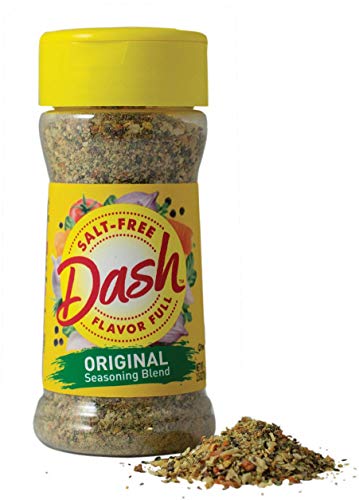
Dash Salt-Free Seasoning Blend, Original, 2.5 Ounce : Mixed Spices And Seasonings : Everything Else
Dash is <strong>a full line of seasoning blends and mixes in a wide variety of flavors</strong>. From our most popular original seasoning blend to taco and chili seasoning, all of our blends have no a

Nu-Salt Sodium-Free Salt Substitute, Contains Potassium Chloride, Table Seasoning Alternative, Vegan, Good for Chips, Pretzels, French Fries, Popcorn Seasoning, 3 OZ Shaker Bottle (Pack of 3)
SALT ALTERNATIVE: <strong>Nu-Salt is a sodium-free substitute; Potassium chloride is the salt substitute component of the blend</strong>
Evidence & Sources
Supported by multiple clinical trials and systematic reviews
- World Health Organization (WHO) Sodium Intake Guidelines
- American Heart Association
- Dietary Guidelines for Americans
- New England Journal of Medicine
- Cochrane Database of Systematic Reviews
- National Heart, Lung, and Blood Institute (NHLBI) DASH Eating Plan
- National Institute of Diabetes and Digestive and Kidney Diseases (NIDDK)
- National Center for Complementary and Integrative Health (NCCIH)
This content is for informational purposes only and does not constitute medical advice. Always consult a qualified healthcare provider before starting, stopping, or changing any supplement or medication regimen.