

Low-Salicylate Diet
Also known as: Salicylate-free diet, Low salicylate eating, Salicylate restricted diet
Overview
A low-salicylate diet is a restrictive eating pattern that reduces exposure to salicylates, a group of naturally occurring plant compounds found in many fruits, vegetables, herbs, spices, teas, and flavorings, as well as in some medications and personal care products. Salicylates are chemically related to acetylsalicylic acid (aspirin), but dietary salicylates are not identical to aspirin and typically occur in much smaller amounts. Interest in low-salicylate eating most often arises in the context of suspected food sensitivities, especially when people report recurring hives, headaches, nasal symptoms, asthma-like reactions, behavioral changes, or complex multi-food intolerance patterns.
The topic is clinically challenging because salicylate sensitivity is not the same as a classic food allergy. In conventional medicine, aspirin or nonsteroidal anti-inflammatory drug intolerance is better described than reactions to salicylates in foods. At the same time, some patients and practitioners report symptom patterns that appear to improve when high-salicylate foods are reduced. This has led to use of low-salicylate diets in certain elimination protocols, including some pediatric and functional nutrition settings. However, salicylate content in foods can vary substantially by plant variety, ripeness, processing, storage, and preparation, which makes strict dietary quantification difficult.
A central issue is that the diet can become highly restrictive. Many foods often labeled as higher in salicylates are otherwise nutrient-dense, including berries, tomatoes, spices, herbs, and some vegetables. For that reason, a low-salicylate diet is generally discussed as a structured elimination-and-reassessment approach rather than a broad wellness diet for the general population. In nutrition practice, concerns often include nutritional adequacy, quality of life, food fear, and unnecessary long-term restriction, particularly in children or people already managing multiple elimination diets.
Research remains mixed and incomplete. Evidence is strongest for aspirin-exacerbated respiratory disease and related NSAID sensitivity syndromes, but the degree to which those findings translate to ordinary dietary salicylate exposure is uncertain. For symptoms such as chronic hives, headaches, gastrointestinal complaints, or behavioral concerns, the literature includes case reports, small studies, and clinical observations, but relatively little large-scale, standardized evidence. As a result, the low-salicylate diet occupies an area between recognized pharmacologic sensitivity and less well-defined dietary intolerance, and careful evaluation by qualified healthcare professionals is commonly emphasized.
Medical Perspectives
Two Ways of Seeing Health

Western
scientific · clinical
Western medicine applies science, technology, and clinical experience to treat symptoms through testing, diagnosis, and targeted intervention.

Eastern
traditional · alternative
Eastern medicine focuses on treating the body naturally by applying traditional knowledge practiced for thousands of years, emphasizing balance and whole-person wellness.
Gold Bamboo presents both perspectives side-by-side so you can make informed decisions. We don't advocate for one over the other — your health choices are yours.
Western Medicine Perspective
Western Medicine Perspective
In conventional medicine, salicylate-related reactions are most clearly understood through the lens of drug intolerance, particularly reactions to aspirin and other cyclooxygenase-1 (COX-1) inhibiting NSAIDs. These reactions may involve respiratory symptoms, urticaria, angioedema, or pseudoallergic mechanisms that are not mediated by classic IgE food allergy pathways. Conditions such as aspirin-exacerbated respiratory disease (AERD) are well described, and clinical management may include medication history, specialist assessment, and in some cases formal aspirin challenge or desensitization in appropriate settings. However, this evidence base does not automatically establish that naturally occurring salicylates in foods cause comparable reactions in most people.
For dietary salicylate sensitivity, the medical literature is more limited and controversial. Some studies and reviews suggest that a subset of patients with chronic idiopathic urticaria, asthma, or suspected food chemical intolerance may report symptom improvement during low-chemical elimination diets that reduce salicylates along with amines, glutamates, preservatives, or additives. This creates an important interpretation problem: when symptoms improve, it is often difficult to isolate salicylates alone as the relevant trigger. Food diaries, blinded challenge protocols, and supervised elimination frameworks are sometimes discussed in specialty practice, but there is no universal diagnostic standard for dietary salicylate intolerance.
From a clinical nutrition standpoint, conventional care generally emphasizes ruling out other explanations first, including true food allergy, chronic spontaneous urticaria, migraine disorders, sinus disease, asthma, medication reactions, gastrointestinal conditions, mast cell disorders, and broader dietary imbalance. Because the low-salicylate diet can be nutritionally and socially restrictive, western clinicians often view it as a short-term investigative tool rather than a long-term default diet. Monitoring by allergists, gastroenterologists, dermatologists, or registered dietitians may be considered when symptoms are complex or when multiple food groups are being removed.
Overall, western medicine tends to regard the low-salicylate diet as a selective and not fully validated intervention: potentially relevant in certain highly individualized cases, but not broadly established for self-diagnosed sensitivity. The evidence supports caution, structured assessment, and awareness that perceived reactions may reflect overlapping food chemicals, medications, or underlying inflammatory conditions rather than salicylates alone.
Eastern & Traditional Perspective
Eastern / Traditional Medicine Perspective
Traditional medical systems such as Traditional Chinese Medicine (TCM) and Ayurveda generally do not classify foods according to salicylate content. Instead, they interpret symptom patterns through broader frameworks involving constitution, digestion, inflammatory tendency, environmental triggers, and systemic imbalance. A person seeking a low-salicylate diet may present with symptoms that traditional systems describe differently—for example, recurrent hives may be associated with patterns resembling wind-heat, damp-heat, or blood-level irritation in TCM language, while headaches, reactivity, or skin symptoms may be interpreted in Ayurveda through disturbances in Pitta, Ama accumulation, or impaired digestive resilience.
Within these traditions, the emphasis is less on a single chemical compound and more on the overall effect of foods on the individual. Spicy, pungent, fermented, sour, heating, or highly stimulating foods may be viewed as aggravating in certain constitutions or symptom states, and some of these foods overlap with lists commonly described as higher in salicylates. This can create a practical point of convergence: traditional practitioners may observe improvement when a person reduces certain fruits, spices, condiments, or processed items, even though the explanatory model is not based on salicylate chemistry.
Naturopathic and integrative frameworks sometimes bridge the two perspectives by discussing food chemical sensitivity, gut barrier function, detoxification capacity, histamine burden, and cumulative inflammatory load. In these models, a low-salicylate pattern may be used as part of a broader elimination strategy, often alongside attention to digestion, sleep, stress, and environmental exposures. Still, these approaches vary widely, and many of their underlying mechanisms remain incompletely validated in mainstream research.
From an eastern or traditional viewpoint, the low-salicylate diet is therefore less a named classical therapy and more a modern adaptation that may fit within individualized dietary assessment. Traditional systems generally favor pattern-based personalization and cautious observation over universal restriction, especially because long-term limitation of diverse plant foods may be seen as reducing dietary balance and vitality. Consultation with qualified practitioners is often considered important when interpreting persistent or multi-system symptoms through either traditional or integrative frameworks.
Supplements & Products
Recommended Products
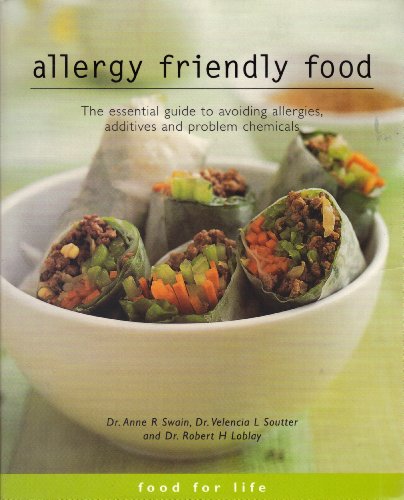
Allergy Friendly Food: The Essential Guide to Avoiding Allergies, Additives and Problem Chemicals: Dr. Anne R. Swain, Dr. Velencia L. Soutter, Dr Robert H. Loblay from Royal Prince Alfred Hospital allergy Unit
It was not until I read <strong>Anne Swain's thesis</strong> and this book that I was able to put together an effective elimination diet and reclaim some semblance of control over my health. This

Houston Enzymes No-Fenol - Digestive Enzyme Supplement for Polyphenolic Digestion and Fruits & Vegetable Fibers - Digestive Enzymes for Women and Men (90 Capsules)
Buy <strong>Houston Enzymes No-Fenol</strong> - Digestive Enzyme Supplement for Polyphenolic Digestion and Fruits & Vegetable Fibers - Digestive Enzymes for Women and Men (90 Capsules) on Amazon.c
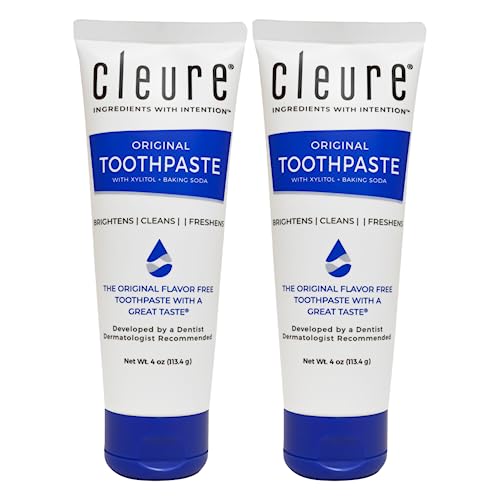
Cleure Original No Fluoride Toothpaste - SLS Free, Mint Free - with Xylitol for Fresh Breath & Helps Whiten - for Kids & Adults - Flavor Free (4oz Tube)
Amazon.com : Cleure Original No Fluoride Toothpaste - SLS Free, Mint Free - with Xylitol for Fresh Breath & Helps Whiten - for Kids & Adults - <strong>Flavor Free</strong> (4oz Tube) : Health
Evidence & Sources
Early-stage research, mostly preclinical or preliminary human studies
- NCCIH (National Center for Complementary and Integrative Health)
- NIH / NIAID food allergy and intolerance resources
- World Allergy Organization
- The Journal of Allergy and Clinical Immunology
- Allergy
- Clinical & Experimental Allergy
- The Medical Journal of Australia
- EAACI position papers on NSAID hypersensitivity
This content is for informational purposes only and does not constitute medical advice. Always consult a qualified healthcare provider before starting, stopping, or changing any supplement or medication regimen.