

Low-Purine Diet
Also known as: Purine restricted diet, Gout diet, Low purine eating
Overview
A low-purine diet is an eating pattern designed to reduce intake of foods that contain large amounts of purines, natural compounds found in human cells and many foods. When purines are broken down in the body, they form uric acid. In some people, elevated uric acid levels can contribute to gout, a form of inflammatory arthritis caused by deposition of monosodium urate crystals in joints and surrounding tissues. Because of this connection, low-purine eating is commonly discussed in relation to gout management, hyperuricemia, and efforts to reduce the likelihood of recurrent joint flares.
Purines are present in varying amounts across foods. Organ meats, certain seafoods, and some meat extracts are generally considered high in purines, while many vegetables, grains, dairy products, eggs, nuts, and fruits are lower. The topic is often oversimplified, however. Research suggests that overall dietary pattern, alcohol intake, body weight, hydration status, insulin resistance, kidney function, and genetic factors all influence uric acid metabolism. As a result, a low-purine diet is better understood as one component of a broader metabolic and inflammatory picture rather than a standalone solution.
Interest in low-purine diets remains high because gout is common and has been increasing in prevalence in many countries, especially alongside obesity, hypertension, chronic kidney disease, and metabolic syndrome. Conventional medical literature often places diet in the context of a comprehensive gout care plan, while natural health communities frequently emphasize food quality, inflammatory load, digestion, and whole-body balance. Both perspectives generally recognize that dietary changes may help some individuals lower uric acid exposure from food, though the magnitude of effect varies and is often modest compared with medication in people with significant or longstanding gout.
Importantly, not everyone with elevated uric acid develops gout, and not every episode of joint pain is related to urate. For that reason, discussions of low-purine diets are most meaningful when tied to proper evaluation, including consideration of symptoms, laboratory findings, and coexisting health conditions. Consultation with a qualified healthcare professional is important, particularly for people with recurrent flares, kidney disease, diabetes, cardiovascular disease, or complex dietary needs.
Medical Perspectives
Two Ways of Seeing Health

Western
scientific · clinical
Western medicine applies science, technology, and clinical experience to treat symptoms through testing, diagnosis, and targeted intervention.

Eastern
traditional · alternative
Eastern medicine focuses on treating the body naturally by applying traditional knowledge practiced for thousands of years, emphasizing balance and whole-person wellness.
Gold Bamboo presents both perspectives side-by-side so you can make informed decisions. We don't advocate for one over the other — your health choices are yours.
Western Medicine Perspective
Western Medicine Perspective
In conventional medicine, the low-purine diet is primarily associated with gout and hyperuricemia management. The biomedical rationale is straightforward: reducing dietary purines may reduce one source of uric acid production. However, modern guidelines and reviews note that diet is only one factor in serum urate levels. Studies indicate that alcohol, especially beer and spirits, sugar-sweetened beverages and high fructose intake, excess body weight, reduced kidney excretion of uric acid, certain medications, and genetic predisposition can all play major roles. Conversely, patterns that emphasize plant foods, low-fat dairy, and weight management are often associated with lower gout risk.
Research suggests that a low-purine diet may provide benefit, but the effect size is typically limited to moderate compared with urate-lowering medications in patients with established gout. Conventional care therefore often frames dietary modification as an adjunctive strategy, not a replacement for diagnosis or medical treatment when indicated. Current rheumatology guidance tends to emphasize reducing high-purine animal foods, moderating alcohol, limiting fructose-heavy beverages, and considering broader dietary patterns such as the DASH-style diet, which has shown potential to modestly lower serum uric acid in some populations.
Western clinicians also recognize important nuances. Not all purine-containing foods carry equal clinical significance: some purine-rich vegetables have not shown the same gout association seen with certain meats and seafoods. Low-fat dairy intake has been associated with lower uric acid levels in some studies. There is also growing attention to the overlap between gout and cardiometabolic disease, meaning dietary approaches are often evaluated not just for uric acid effects but also for impacts on blood pressure, insulin sensitivity, kidney health, and weight. In this framework, a low-purine diet is often discussed as part of a larger therapeutic nutrition strategy tailored to the individual by a healthcare professional.
Eastern & Traditional Perspective
Eastern / Traditional Medicine Perspective
In Traditional Chinese Medicine (TCM), recurrent gout-like symptoms are often interpreted through patterns such as damp-heat, phlegm accumulation, blood stasis, or weakness in the spleen, liver, and kidney systems. From this perspective, painful swollen joints may reflect a combination of internal heat, impaired fluid transformation, and obstructed circulation. Dietary approaches are therefore not usually limited to purine content alone; they are viewed through the lens of how foods may contribute to heat, dampness, stagnation, or digestive burden. Rich meats, alcohol, greasy foods, and heavily processed foods are traditionally considered relevant because they may aggravate these patterns.
In Ayurveda, gout-like presentations are often discussed in relation to vata disturbance combined with accumulation of metabolic waste such as ama, and in some interpretations overlap with rakta involvement. Diet is approached according to digestion, tissue balance, inflammatory tendency, and the body's capacity to process metabolic byproducts. Foods that are heavy, excessively sour, salty, fermented, or difficult to digest may be viewed as aggravating in susceptible individuals, while simpler, lighter, more digestible meals are traditionally emphasized for restoring balance.
Naturopathic and integrative traditions often combine conventional uric-acid concepts with broader concerns about inflammation, hydration, kidney elimination, gut health, and metabolic resilience. Rather than focusing narrowly on a list of forbidden foods, these systems often explore dietary patterns that reduce overall inflammatory load and support elimination pathways. Evidence for traditional frameworks is variable and often indirect, but these approaches remain influential because many patients seek a whole-person interpretation of recurrent flares, lifestyle triggers, and long-term prevention. As with conventional care, responsible use of these frameworks typically involves collaboration with qualified practitioners, especially when symptoms are severe, recurrent, or diagnostically uncertain.
Supplements & Products
Recommended Products
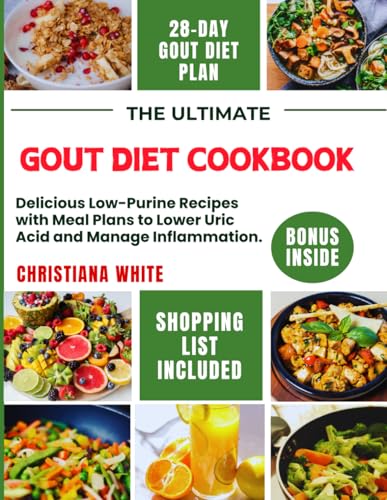
Gout and You: The Ultimate Gout Diet & Cookbook: Koulouris, Spiro
by Spiro Koulouris (Author) See ... book Gout and You: The Ultimate Gout Diet and Cookbook will <strong>point you to the right direction when it comes to gout dieting</strong>....
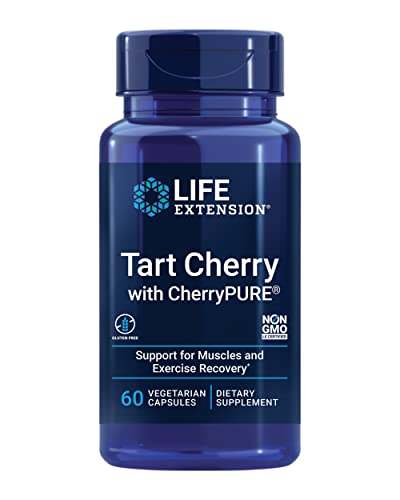
Life Extension Tart Cherry with CherryPURE®, anthocyanins, oxidative Stress, Muscle Recovery, Exercise Support, Muscle Comfort, Vegetarian, Gluten-Free, Non-GMO, 60 Capsules
Buy Life Extension Tart Cherry with CherryPURE®, anthocyanins, oxidative Stress, Muscle Recovery, Exercise Support, Muscle Comfort, Vegetarian, Gluten-Free, Non-GMO, 60 Capsules on Amazon.com ✓ FREE S
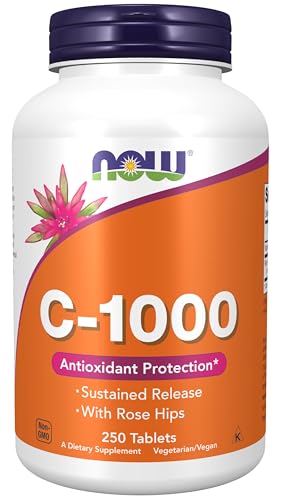
Now Foods Vitamin C-1000 Sustained Release - 100 Tablets
NOW Foods Supplements, Vitamin C-1,000 with Rose Hips, Sustained Release, Antioxidant Protection*, 250 Tablets
Evidence & Sources
Promising research with growing clinical support from multiple studies
- American College of Rheumatology Guideline for the Management of Gout
- Arthritis Foundation
- National Institute of Arthritis and Musculoskeletal and Skin Diseases (NIAMS)
- National Center for Complementary and Integrative Health (NCCIH)
- The New England Journal of Medicine
- The BMJ
- JAMA
- Annals of the Rheumatic Diseases
This content is for informational purposes only and does not constitute medical advice. Always consult a qualified healthcare provider before starting, stopping, or changing any supplement or medication regimen.