

Low-Oxalate Diet
Also known as: Oxalate Reduction, Oxalate-Free Diet
Overview
A low-oxalate diet is a dietary pattern that reduces intake of foods high in oxalate (oxalic acid), a naturally occurring compound found in many plants and also produced in small amounts by the human body. Oxalate can bind with minerals—most notably calcium—and in certain circumstances contribute to the formation of calcium oxalate kidney stones, the most common type of kidney stone. For this reason, low-oxalate eating is most often discussed in the context of stone prevention and recurrence reduction, though it is also sometimes considered in selected gastrointestinal and metabolic conditions associated with increased oxalate absorption or excretion.
The significance of this diet varies by individual risk profile. Not everyone who eats high-oxalate foods develops health problems, and many oxalate-containing foods—such as leafy greens, nuts, legumes, and berries—also provide valuable fiber, minerals, and phytonutrients. Conventional nutrition discussions therefore tend to frame a low-oxalate diet as a targeted therapeutic strategy rather than a universally beneficial eating pattern. Research suggests that oxalate-related risk depends not only on dietary oxalate intake, but also on hydration status, urinary chemistry, calcium intake, gut absorption, sodium intake, and underlying medical conditions.
Clinical interest is strongest in people with recurrent calcium oxalate stones, enteric hyperoxaluria associated with bowel disease or bariatric surgery, and rare inherited conditions such as primary hyperoxaluria. In these settings, oxalate restriction may be one component of a broader care plan. Studies indicate that pairing meals with adequate dietary calcium may reduce intestinal oxalate absorption, while very low calcium intake may paradoxically increase stone risk. This is why low-oxalate approaches are usually discussed alongside broader dietary patterns rather than in isolation.
From a practical standpoint, high-oxalate foods commonly cited include spinach, rhubarb, beets, almonds, peanuts, wheat bran, potatoes, and chocolate, though oxalate content can vary by growing conditions, preparation, and portion size. Because nutrition needs differ widely, especially in those with kidney disease, digestive disorders, or recurrent stones, the topic is best understood as a specialized dietary approach that may be relevant in selected cases and less meaningful in others. Any major dietary restriction is generally best interpreted in consultation with qualified healthcare professionals.
Medical Perspectives
Two Ways of Seeing Health

Western
scientific · clinical
Western medicine applies science, technology, and clinical experience to treat symptoms through testing, diagnosis, and targeted intervention.

Eastern
traditional · alternative
Eastern medicine focuses on treating the body naturally by applying traditional knowledge practiced for thousands of years, emphasizing balance and whole-person wellness.
Gold Bamboo presents both perspectives side-by-side so you can make informed decisions. We don't advocate for one over the other — your health choices are yours.
Western Medicine Perspective
Western Medicine Perspective
In conventional medicine, the low-oxalate diet is primarily viewed through the lens of kidney stone pathophysiology. Calcium oxalate stones develop when urine becomes supersaturated with stone-forming substances, allowing crystals to form and aggregate. Dietary oxalate contributes to urinary oxalate levels, but it is only one part of a complex metabolic picture. Urologic and nephrology literature emphasizes that stone prevention often involves evaluating 24-hour urine chemistry, fluid intake, dietary sodium, animal protein, calcium intake, and other factors such as citrate levels. As a result, low-oxalate diets are usually considered most useful when a patient has documented calcium oxalate stones or elevated urinary oxalate.
Research supports a role for oxalate restriction in selected populations, but the evidence is more nuanced than simply avoiding all oxalate-containing foods. Studies suggest that normal dietary calcium intake, especially when consumed with meals, can help bind oxalate in the gut and reduce absorption. Conversely, low-calcium diets may increase urinary oxalate and stone risk. Conventional guidance also recognizes the importance of high fluid intake, moderation of sodium, and individualized counseling. In people with malabsorption syndromes, inflammatory bowel disease, pancreatic insufficiency, or a history of certain bariatric surgeries, fat malabsorption may increase oxalate absorption, making dietary management more relevant.
Western medicine also distinguishes between common dietary contributors and rarer metabolic disorders. Primary hyperoxaluria, for example, is a genetic condition involving excessive endogenous oxalate production and requires specialist evaluation. In these cases, dietary measures alone are often insufficient. More broadly, clinicians generally weigh the potential benefits of oxalate reduction against nutritional tradeoffs, since many high-oxalate foods are otherwise associated with cardiovascular and metabolic health. This is why evidence-based care tends to favor individualized dietary assessment rather than blanket restriction.
Eastern & Traditional Perspective
Eastern / Traditional Medicine Perspective
Traditional medical systems generally do not describe health in terms of oxalate metabolism, but they often address the broader symptom patterns and organ imbalances associated with urinary discomfort, stone formation, digestive weakness, and metabolic imbalance. In Traditional Chinese Medicine (TCM), kidney stones and related urinary issues may be interpreted through patterns such as damp-heat in the lower burner, qi stagnation, or impaired fluid transformation involving the Kidney, Spleen, and Bladder systems. Dietary approaches within TCM typically emphasize balancing foods according to their energetic properties, supporting digestion, and reducing internal heat or damp accumulation, rather than categorizing foods by oxalate content.
In Ayurveda, stone-related conditions may be understood through concepts such as disturbed doshas, impaired agni (digestive/metabolic fire), and accumulation of metabolic waste products. Traditional dietary thinking may focus on digestion, hydration, constitution, and reducing foods thought to aggravate heat, irritation, or stagnation. Similarly, naturopathic and integrative traditions may explore digestive function, microbiome health, mineral balance, and whole-diet patterns while recognizing conventional findings about oxalate and stone formation.
From an integrative standpoint, the eastern/traditional perspective often adds context rather than replacing biomedical understanding. Practitioners may pay attention to a person’s broader pattern—such as recurrent urinary irritation, digestive symptoms, stress, constitution, and food tolerance—while contemporary evidence informs whether oxalate restriction is relevant. Because traditional frameworks do not map directly onto oxalate biochemistry, they are best viewed as complementary interpretive systems that may inform supportive lifestyle and dietary philosophy, ideally alongside appropriate medical evaluation when stones, kidney disease, or metabolic disorders are present.
Supplements & Products
Recommended Products
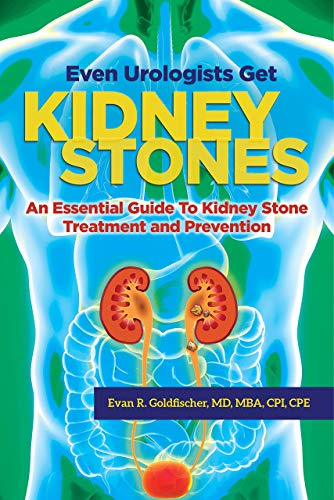
Even Urologists Get Kidney Stones: An Essential Guide to Kidney Stone Treatment and Prevention eBook : Goldfischer, Evan R., Coe, Fredric L.
He's been there and knows your pain, but more importantly can help you avoid having a repeat episode(s). This is truly the bible for all those who have experienced the misery and rigors of a kidn
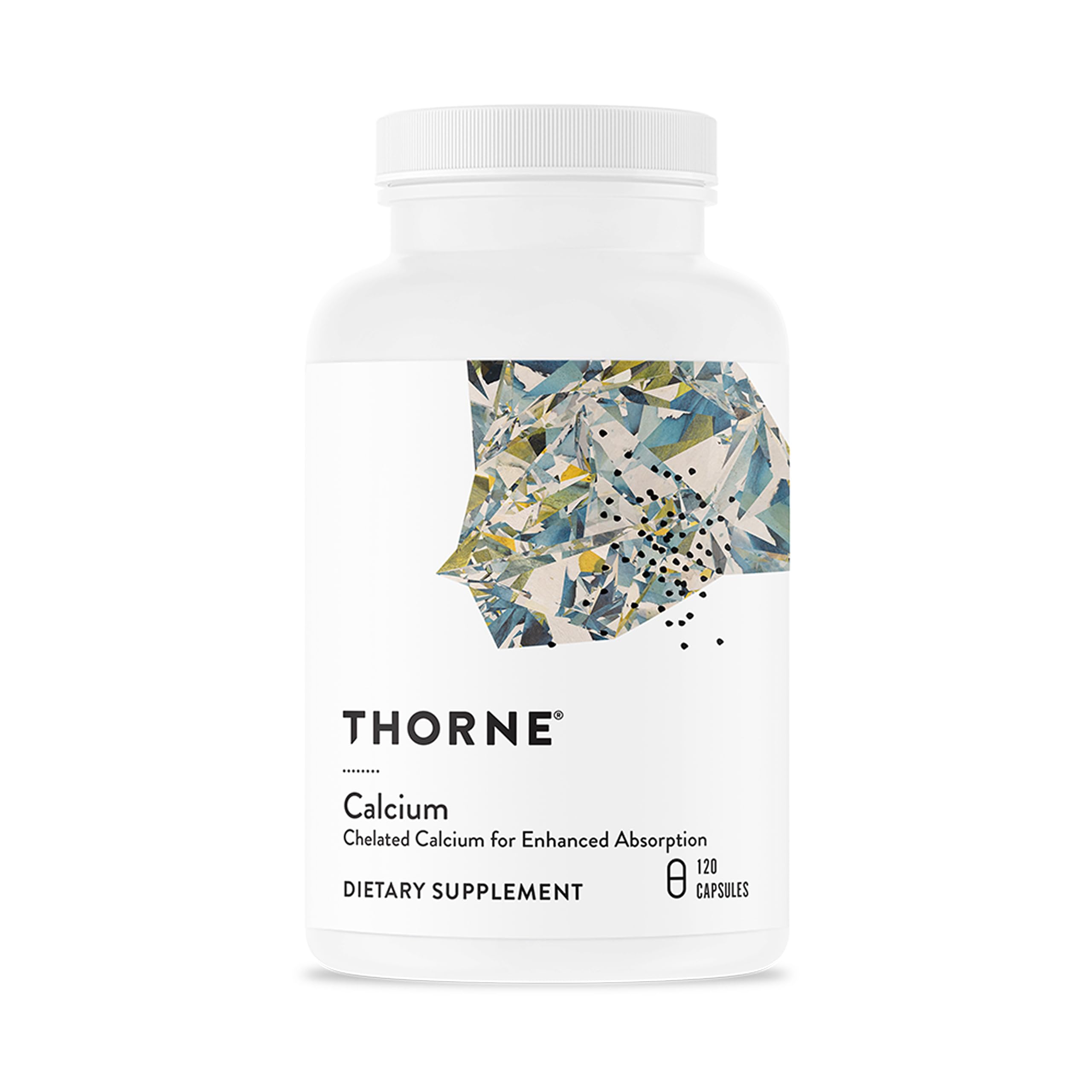
THORNE - Calcium - (Formerly DiCalcium Malate) - Chelated Calcium for Enhanced Absorption with DimaCal for Bone Density Support* - 120 Capsules
Pure Encapsulations Calcium (Citrate) - Supplement for Bone, Teeth, Colon, and Cardiovascular Health Support* - with Premium Calcium Citrate - 60 Capsules ... THORNE - Calcium-Magnesium Malate - Optim

Moonstone Stone Stopper Capsules, Kidney Stone Prevention, Calcium Oxalate Protector, Alkali Citrate Support Supplement, Developed by Urologists to Support Kidney Health, 30 Day Supply (120 Count)
DOCTOR CREATED FORMULA rich in alkali citrate, <strong>stops the formation of stones & improves kidney health by helping manage urine pH, electrolytes, & citrate levels</strong> · CLINICALLY T
Evidence & Sources
Promising research with growing clinical support from multiple studies
- American Urological Association (AUA) Guidelines
- European Association of Urology (EAU) Guidelines on Urolithiasis
- National Institute of Diabetes and Digestive and Kidney Diseases (NIDDK)
- National Kidney Foundation
- National Center for Complementary and Integrative Health (NCCIH)
- Clinical Journal of the American Society of Nephrology
- Journal of Urology
- Kidney International
This content is for informational purposes only and does not constitute medical advice. Always consult a qualified healthcare provider before starting, stopping, or changing any supplement or medication regimen.