

Low-Histamine Diet
Also known as: Histamine-Free Diet, Histamine Reduction
Overview
A low-histamine diet is an eating pattern designed to reduce exposure to foods that are naturally high in histamine, foods that may trigger histamine release, or foods that can interfere with histamine breakdown. Histamine is a biologically active compound involved in immune signaling, gastric acid secretion, and nervous system communication. It is also present in many foods, especially those that are aged, fermented, cured, processed, or stored for longer periods. The diet is most often discussed in relation to suspected histamine intolerance, a proposed condition in which histamine from food may contribute to symptoms when the body’s ability to metabolize it is reduced.
Symptoms commonly attributed to histamine intolerance are broad and can overlap with many other conditions. Reported features include flushing, headaches, nasal congestion, itching, hives, gastrointestinal discomfort, diarrhea, bloating, palpitations, and menstrual-related symptom flares. This overlap is one reason the topic remains complex in clinical practice. Histamine-related symptoms may reflect food allergy, mast cell disorders, chronic urticaria, medication effects, gastrointestinal disease, or other causes rather than dietary histamine alone. For that reason, the low-histamine diet is typically framed in the medical literature as a short-term investigative or symptom-management strategy, not a universally established therapy.
Food histamine content is difficult to standardize because levels vary with freshness, ripeness, processing, fermentation, storage, and microbial activity. Commonly cited high-histamine foods include aged cheeses, cured meats, fermented vegetables, wine, beer, vinegar-containing foods, smoked fish, canned fish, and leftovers stored for extended periods. Some protocols also discuss “histamine liberators” or foods thought to provoke endogenous histamine release, though this category is less consistently supported by strong evidence. As a result, low-histamine diets can differ substantially across clinicians, researchers, and traditional practitioners.
From a practical and scientific perspective, the low-histamine diet occupies an area between recognized biochemical mechanisms and incomplete clinical consensus. Research suggests that some people with compatible symptoms may report improvement during structured dietary reduction, particularly when symptom patterns are carefully tracked and other diagnoses are considered. At the same time, experts caution that restrictive diets can create nutritional, social, and psychological burdens, especially if maintained long term without professional oversight. Consultation with a qualified healthcare provider is important when symptoms are persistent, severe, or unexplained.
Medical Perspectives
Two Ways of Seeing Health

Western
scientific · clinical
Western medicine applies science, technology, and clinical experience to treat symptoms through testing, diagnosis, and targeted intervention.

Eastern
traditional · alternative
Eastern medicine focuses on treating the body naturally by applying traditional knowledge practiced for thousands of years, emphasizing balance and whole-person wellness.
Gold Bamboo presents both perspectives side-by-side so you can make informed decisions. We don't advocate for one over the other — your health choices are yours.
Western Medicine Perspective
Western Medicine Perspective
In conventional medicine, interest in the low-histamine diet centers on the concept of histamine intolerance, sometimes described as an imbalance between accumulated histamine and the body’s capacity to degrade it. The enzyme diamine oxidase (DAO) is often discussed because it helps metabolize extracellular histamine, particularly in the gut, while histamine-N-methyltransferase (HNMT) plays a role intracellularly. Researchers have explored whether reduced DAO activity, gastrointestinal inflammation, certain medications, alcohol use, or altered gut function may contribute to symptom generation in susceptible individuals. However, there is no universally accepted diagnostic standard, and laboratory markers do not consistently correlate with symptoms.
Conventional clinicians generally view the low-histamine diet as a limited trial of dietary modification rather than a definitive diagnostic tool. Evaluation often focuses on ruling out better-established conditions such as IgE-mediated food allergy, celiac disease, inflammatory bowel disease, chronic spontaneous urticaria, mast cell activation disorders, migraine disorders, medication side effects, and infections or gastrointestinal disorders. Because symptoms are nonspecific, a careful history is central. Studies indicate that some patients improve with short-term histamine restriction and structured reintroduction, but the evidence base remains constrained by small sample sizes, heterogeneous definitions, inconsistent food lists, and a lack of high-quality randomized trials.
Another key issue in western nutrition science is the variability of histamine content in foods. Histamine is not reliably predicted by food category alone; it may rise substantially with storage time, spoilage, fermentation, and processing. This means patients and clinicians can encounter inconsistent responses to ostensibly similar foods. Conventional dietetics therefore tends to emphasize individualized assessment, symptom journaling, and attention to overall dietary adequacy. If a low-histamine pattern is used, many experts note the importance of avoiding unnecessary long-term restriction and involving qualified professionals when symptoms are complex or nutrition may be compromised.
Eastern & Traditional Perspective
Eastern/Traditional Medicine Perspective
Traditional medical systems generally do not define illness through the modern biochemical concept of histamine, but many describe symptom patterns that overlap with what is now labeled histamine-related reactivity. In Traditional Chinese Medicine (TCM), presentations such as flushing, itching, hives, digestive upset, headaches, and nasal symptoms may be interpreted through pattern-based frameworks involving Wind, Heat, Dampness, phlegm accumulation, or disharmony affecting the Lung, Spleen, Liver, and digestive functions. Rather than focusing on histamine content alone, TCM traditionally evaluates the broader terrain: constitutional tendencies, digestion, stress, sleep, environmental triggers, and the balance between excess and deficiency patterns.
Within Ayurveda, similar symptom clusters may be viewed through imbalances associated with Pitta and sometimes Ama (metabolic byproducts linked to impaired digestion) or disturbed gut function. Foods that are aged, fermented, sour, alcoholic, or highly heating in nature may be considered aggravating in some individuals. Traditional approaches often emphasize the importance of freshly prepared foods, digestive strength, meal regularity, and individualized constitution, which can overlap practically with some low-histamine food practices even though the underlying theory differs.
In naturopathic and integrative traditions, the low-histamine diet is frequently situated within a broader model that includes gut barrier health, microbiome balance, inflammatory load, environmental exposures, and stress physiology. These frameworks often give considerable attention to food freshness and to identifying personal triggers rather than relying solely on universal food lists. Evidence for these broader traditional interpretations is more variable than for the underlying biology of histamine itself, but they remain influential in clinical practice because they offer a more individualized lens on complex multisystem symptoms.
Across eastern and traditional systems, a common theme is that symptom management is rarely reduced to one molecule or one food category. The diet is often seen as one part of a larger pattern-based approach that may include digestive support, lifestyle regulation, and attention to constitution. As with western medicine, traditional practitioners generally recognize that persistent symptoms warrant evaluation by appropriately qualified healthcare professionals, particularly because serious allergic, dermatologic, gastrointestinal, or cardiovascular conditions can resemble histamine-related complaints.
Supplements & Products
Recommended Products
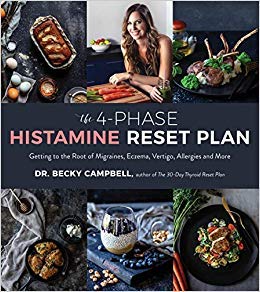
The 4-Phase Histamine Reset Plan: Getting to the Root of Migraines, Eczema, Vertigo, Allergies and More: Campbell, Dr. Becky
The four-phase diet plan is <strong>full of flavorful, low-histamine paleo foods</strong>; the first three phases instruct you which foods to eliminate from your diet to reset your health and support
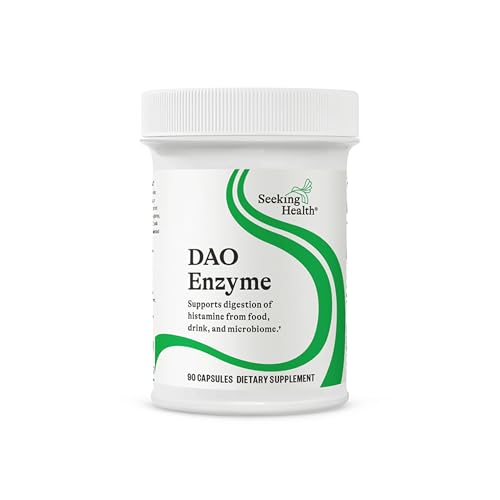
Seeking Health DAO Enzyme - Formerly Histamine Digest, DAO Enzyme Supplement for Histamine Food Intolerance, Supports Digestive Health, Upset Stomach (30 Capsules)*
Healthy Gut HistaHarmony | Delayed Release DAO Enzyme Supplement | 30,000 HDU Diamine Oxidase Histamine Blocker | 60 Servings ... Brief content visible, double tap to read full content. Full content v

Now Foods Quercetin with Bromelain 240 VCaps
Quercetin 800 mg * Bromelain (2400 GDU/g) 165 mg * Other Ingredients: <strong>Rice Flour, Hypromellose (cellulose capsule), Microcrystalline Cellulose, Magnesium Stearate (vegetable source) and Silico
Evidence & Sources
Early-stage research, mostly preclinical or preliminary human studies
- Nutrients
- International Journal of Molecular Sciences
- The Journal of Allergy and Clinical Immunology: In Practice
- Allergy
- American Academy of Allergy, Asthma & Immunology (AAAAI)
- National Center for Complementary and Integrative Health (NCCIH)
- European Academy of Allergy and Clinical Immunology (EAACI)
- Deutsches Ärzteblatt International
This content is for informational purposes only and does not constitute medical advice. Always consult a qualified healthcare provider before starting, stopping, or changing any supplement or medication regimen.