

Low-Glycemic Diet
Also known as: Low glycemic index diet, Low GI diet, Glycemic control diet
Overview
A low-glycemic diet is an eating pattern built around foods that tend to produce a slower, smaller rise in blood glucose after eating. It draws on the concepts of the glycemic index (GI)—which ranks carbohydrate-containing foods by how quickly they raise blood sugar—and, in many discussions, glycemic load (GL), which also considers the amount of carbohydrate in a typical serving. In practical terms, this pattern often emphasizes minimally processed grains, legumes, non-starchy vegetables, whole fruits, nuts, seeds, and balanced meals containing fiber, protein, and healthy fats.
This dietary approach is widely discussed because blood sugar regulation is linked to several major health concerns, including type 2 diabetes, prediabetes, cardiovascular risk, and body weight regulation. Research suggests that meals with a lower glycemic impact may help reduce post-meal glucose spikes and improve day-to-day glycemic stability in some individuals. Interest in low-glycemic eating has also expanded beyond diabetes care, with studies exploring possible effects on satiety, energy consistency, insulin response, and metabolic health.
A key nuance is that low-glycemic eating is not simply a low-carbohydrate diet. Two foods may contain similar amounts of carbohydrate but have different glycemic effects depending on their fiber content, processing, ripeness, cooking method, and the presence of fat or protein in the meal. For that reason, the quality and context of carbohydrates matter. Whole intact grains, beans, lentils, and many fruits often differ metabolically from highly refined starches or sugary beverages, even when calorie totals are similar.
At the same time, GI is only one tool for understanding diet quality. A food can have a low glycemic index yet still be high in calories, sodium, or saturated fat, while some higher-GI foods may still fit within an otherwise nutrient-dense eating pattern. Most experts therefore view a low-glycemic diet as most meaningful when it is part of a broader pattern centered on whole foods, fiber, metabolic health, and individualized nutrition needs. People with diabetes, digestive disorders, athletes, pregnant individuals, and those taking glucose-lowering medications may benefit from discussing dietary changes with a qualified healthcare professional.
Medical Perspectives
Two Ways of Seeing Health

Western
scientific · clinical
Western medicine applies science, technology, and clinical experience to treat symptoms through testing, diagnosis, and targeted intervention.

Eastern
traditional · alternative
Eastern medicine focuses on treating the body naturally by applying traditional knowledge practiced for thousands of years, emphasizing balance and whole-person wellness.
Gold Bamboo presents both perspectives side-by-side so you can make informed decisions. We don't advocate for one over the other — your health choices are yours.
Western Medicine Perspective
Western Medicine Perspective
In conventional medicine, a low-glycemic diet is primarily understood through the lens of glucose metabolism, insulin dynamics, and chronic disease risk reduction. Clinical research has examined low-GI and low-GL dietary patterns in relation to type 2 diabetes management, prevention of diabetes in high-risk populations, weight control, and cardiovascular markers such as triglycerides and HDL cholesterol. Studies indicate that, in some settings, lower-glycemic eating patterns may modestly improve hemoglobin A1c, fasting glucose, postprandial glucose, and insulin sensitivity, particularly when compared with diets rich in refined carbohydrates.
Major organizations such as the American Diabetes Association and Diabetes Canada recognize that carbohydrate quality matters, while also noting that there is no single ideal eating pattern for all people with diabetes. From this perspective, low-glycemic diets may be one evidence-informed option among several, especially when they increase intake of fiber-rich legumes, vegetables, whole grains, and minimally processed foods. However, benefits can vary depending on total dietary composition, adherence, baseline metabolic health, and whether the diet also reduces excess calories or ultra-processed food intake.
Conventional nutrition science also highlights several limitations. Glycemic responses differ from person to person, and the GI of a food can shift based on preparation, ripeness, food combinations, and portion size. Glycemic load may better reflect real-world eating than GI alone. In addition, not all studies show large benefits, and some meta-analyses find only modest effects rather than dramatic changes. For this reason, western medicine generally treats low-glycemic eating as a useful framework rather than a universal rule, best interpreted alongside overall dietary quality, medication use, physical activity, and individualized clinical goals.
In clinical settings, low-glycemic diets are often discussed in the context of medical nutrition therapy for diabetes, metabolic syndrome, and obesity. Healthcare professionals may also consider them during pregnancy in relation to gestational diabetes, though evidence and implementation vary. Because blood sugar-lowering effects can interact with medications or insulin regimens, any major dietary change is typically safest when coordinated with a healthcare provider.
Eastern & Traditional Perspective
Eastern / Traditional Medicine Perspective
Traditional systems do not usually classify foods by “glycemic index” in the modern biochemical sense, but many have long emphasized the importance of stable digestion, moderation in sweet foods, and individualized food choices. In Traditional Chinese Medicine (TCM), patterns associated with blood sugar imbalance are often discussed in relation to concepts such as Xiao Ke (“wasting and thirsting”), involving disturbances in yin, dryness, heat, and fluid regulation. Foods that are overly sweet, greasy, rich, or heavily processed may be viewed as contributing to internal imbalance, while meals that are more balanced, fiber-rich, and less taxing on digestion may be seen as supportive of harmony.
Within Ayurveda, metabolic imbalance may be interpreted through the framework of agni (digestive fire), ama (metabolic residue), and the doshas, especially when there is heaviness, sluggish metabolism, or disturbed glucose handling. Traditional Ayurvedic dietary thinking often favors whole foods, legumes, vegetables, spices, meal regularity, and reduced reliance on refined sugars and flours, which can align in principle with modern low-glycemic eating. Foods are also considered according to qualities such as heavy/light, dry/oily, and heating/cooling, rather than carbohydrate metrics alone.
In naturopathic and integrative nutrition traditions, low-glycemic eating is often framed as a way to support steady energy, appetite regulation, and metabolic resilience, with emphasis on whole-food carbohydrates, fiber, phytonutrients, and meal composition. This approach frequently overlaps with both conventional nutrition and traditional food-based healing systems. At the same time, eastern and traditional perspectives generally place strong value on constitution, digestion, season, and daily routine, suggesting that the same food pattern may affect individuals differently.
The traditional lens therefore tends to view a low-glycemic diet less as a strict numerical system and more as part of a broader pattern of balanced, minimally processed, digestively appropriate eating. These frameworks are historically rooted and culturally significant, but they are not always directly validated by modern clinical trial methods. Individuals considering dietary changes within a traditional medicine framework may benefit from consulting qualified practitioners, especially if they have diabetes or use glucose-lowering therapies.
Supplements & Products
Recommended Products

The Glucose Revolution: The Authoritative Guide to the Glycemic Index-the Groundbreaking Medical Discovery: Brand-Miller MD, Dr. Jennie, Foster-Powell BSc MND, Kaye, Miller PhD, Jennie, Wolever PhD, Thomas M.S., Colagiuri MD, Stephen
<strong>The Glucose Revolution: The Authoritative Guide to the Glycemic Index-the Groundbreaking Medical Discovery</strong> [Brand-Miller MD, Dr. Jennie, Foster-Powell BSc MND, Kaye, Miller PhD, Jenni

NOW Foods Supplements, Psyllium Husk Powder, Non-GMO Project Verified, Soluble Fiber, 12-Ounce
Amazon.com: NOW Foods Supplements, Psyllium Husk Powder, Non-GMO Project Verified, Soluble Fiber, 12-Ounce
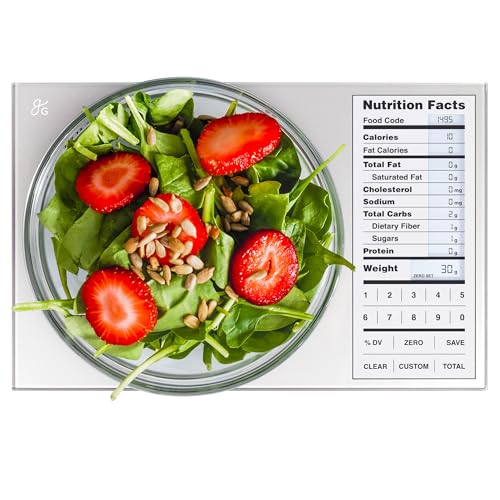
Greater Goods Digital Nutrition Scale – Accurate Macro and Calorie Tracking for Meal Prep, Weight Loss, and Healthy Eating | 2,000 Built-in Foods, Intuitive Nutrition Label Display, 11lb Cap, Pink
A Premium Choice: <strong>View primary nutrition values and weigh with precision down to 0.1g</strong>. And, at 9.33 x 6.02 x 0.91 in. it's the perfect size kitchen scale for meal planning and co
Evidence & Sources
Promising research with growing clinical support from multiple studies
- American Diabetes Association. Standards of Care in Diabetes
- Diabetes Canada Clinical Practice Guidelines
- The American Journal of Clinical Nutrition
- Diabetes Care
- Cochrane Database of Systematic Reviews
- BMJ
- National Institute of Diabetes and Digestive and Kidney Diseases (NIDDK)
- National Center for Complementary and Integrative Health (NCCIH)
This content is for informational purposes only and does not constitute medical advice. Always consult a qualified healthcare provider before starting, stopping, or changing any supplement or medication regimen.