

Low-Fat Diet
Also known as: Low fat eating, Reduced fat diet, Fat-restricted diet
Overview
A low-fat diet is a dietary pattern that reduces the proportion of calories coming from fat, often emphasizing fruits, vegetables, legumes, whole grains, and leaner protein sources while limiting high-fat processed foods, fried foods, and fatty cuts of meat. Historically, low-fat eating became widely promoted in public health and clinical nutrition because elevated intake of certain fats—particularly trans fats and, in some contexts, excess saturated fat—was associated with cardiovascular risk. People also explore low-fat diets for weight management, digestive comfort, gallbladder concerns, pancreatitis recovery contexts, and cholesterol reduction.
The term can describe very different eating patterns. Some low-fat diets are based on minimally processed plant foods and are naturally high in fiber and micronutrients. Others may reduce fat but rely heavily on refined carbohydrates or ultra-processed “low-fat” products. For this reason, the health effects of a low-fat diet depend not only on the amount of fat restricted, but also on the overall food quality, nutrient balance, and the types of carbohydrate and protein that replace fat calories.
Research over the past several decades has made the conversation more nuanced. Studies suggest that fat quality may matter as much as, or more than, total fat quantity for many long-term outcomes. Replacing saturated or trans fats with unsaturated fats is generally viewed more favorably than replacing fats with refined starches or added sugars. At the same time, lower-fat eating patterns may still play an important role in certain medical situations and remain a common framework in conventional dietary counseling.
Low-fat diets are therefore best understood as a broad category rather than a single universal plan. Their relevance varies by health goal: for some individuals they align with medical guidance or symptom management, while for others a more moderate-fat dietary pattern may be equally or more appropriate. Because nutritional needs differ by age, health status, medications, digestive conditions, and cultural eating patterns, dietary changes are often best interpreted in consultation with a qualified healthcare professional.
Medical Perspectives
Two Ways of Seeing Health

Western
scientific · clinical
Western medicine applies science, technology, and clinical experience to treat symptoms through testing, diagnosis, and targeted intervention.

Eastern
traditional · alternative
Eastern medicine focuses on treating the body naturally by applying traditional knowledge practiced for thousands of years, emphasizing balance and whole-person wellness.
Gold Bamboo presents both perspectives side-by-side so you can make informed decisions. We don't advocate for one over the other — your health choices are yours.
Western Medicine Perspective
Western Medicine Perspective
In conventional medicine, a low-fat diet has traditionally been discussed in relation to cardiovascular health, body weight, lipid levels, and digestive disorders involving fat intolerance. Earlier dietary guidelines emphasized reducing total fat intake to lower the risk of obesity and heart disease. More recent research has refined this view, indicating that the type of fat consumed is highly important. Large bodies of evidence support minimizing trans fats and moderating saturated fat, while recognizing potential benefits of unsaturated fats from foods such as nuts, seeds, fish, and plant oils.
For heart health, studies indicate that dietary patterns lower in saturated fat and richer in plant foods can help improve LDL cholesterol and overall cardiometabolic risk, especially when unhealthy fats are replaced with fiber-rich carbohydrates or unsaturated fats rather than refined grains. In weight-loss research, low-fat diets can be effective for some people, but they do not appear universally superior to other structured eating patterns when calories, adherence, and food quality are accounted for. Many reviews now conclude that sustainable adherence and dietary quality are more predictive of outcomes than fat reduction alone.
Clinically, lower-fat eating may be used in some settings involving gallbladder symptoms, pancreatic disease, fat malabsorption, chronic diarrhea, or post-surgical digestive adjustment, where excess dietary fat may worsen symptoms. In these contexts, conventional guidance often focuses on symptom reduction and digestive tolerance rather than weight loss. However, excessively restrictive fat intake can create concerns about adequate intake of essential fatty acids and the absorption of fat-soluble vitamins A, D, E, and K, particularly if the diet is prolonged or poorly planned.
From a western evidence-based standpoint, a low-fat diet is generally considered one viable dietary approach among several, rather than a single gold-standard pattern for all individuals. Clinicians increasingly distinguish between low-fat whole-food diets and low-fat processed diets, because their metabolic effects may differ substantially.
Eastern & Traditional Perspective
Eastern / Traditional Medicine Perspective
Traditional systems such as Traditional Chinese Medicine (TCM) and Ayurveda do not typically classify diets by modern macronutrient percentages, so the concept of a “low-fat diet” is interpreted through broader principles of digestion, balance, constitution, and food energetics. Rather than focusing strictly on grams of fat, these systems often consider whether foods are heavy or light, damp-forming or drying, heating or cooling, easy or difficult to digest.
In TCM, very greasy, fried, rich, and excessively sweet foods have traditionally been viewed as contributing to patterns sometimes described as Dampness, Phlegm, or Spleen deficiency-related digestive burden, especially when accompanied by bloating, loose stools, heaviness, sluggishness, or mucus-related symptoms. A diet lower in greasy foods may therefore be framed as supportive of digestive harmony in certain constitutions or symptom patterns. TCM dietary therapy, however, generally emphasizes individualized balance rather than universal fat avoidance, and may still include nutrient-dense foods prepared in digestible ways.
In Ayurveda, heavy oily foods may be seen as aggravating in some circumstances, particularly when agni (digestive fire) is considered weak or when there is excess kapha. Lighter meals, simpler cooking methods, and easier-to-digest foods may be traditionally used when there is sluggish digestion or a sense of post-meal heaviness. At the same time, Ayurveda also regards healthy oils and unctuousness as important in other constitutions and clinical contexts, so long-term severe fat restriction is not a universal principle.
In naturopathic and integrative traditions, a lower-fat approach may be discussed when reducing ultra-processed foods, fried foods, and rich animal products, but the emphasis is often on whole-food quality, digestive tolerance, anti-inflammatory eating patterns, and individualized response. Across traditional systems, the closest parallel to a low-fat diet is often not “avoid fat” in absolute terms, but rather reduce foods that are excessively rich, hard to digest, or constitutionally aggravating.
Supplements & Products
Recommended Products
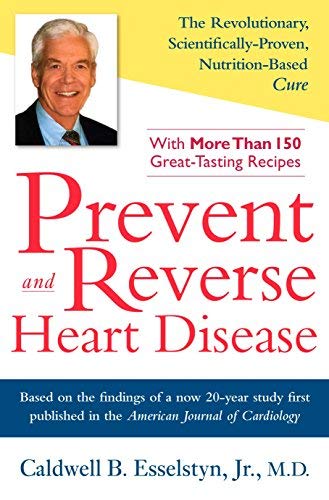
Prevent and Reverse Heart Disease: Caldwell B. Esselstyn Jr.
Clearly written and backed by irrefutable scientific evidence, startling photos of angiograms, and inspiring personal stories, Prevent and Reverse Heart Disease will <strong>empower readers to take ch
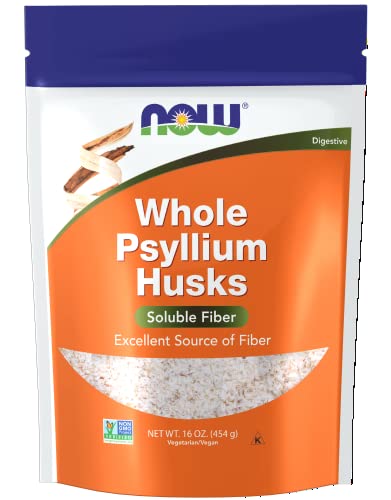
NOW Foods Supplements, Whole Psyllium Husks, Non-GMO Project Verified, Soluble Fiber, 16-Ounce
It's Just! - Psyllium Husk Powder, Easy Mixing Dietary Fiber, Cleanse Your Digestive System, Finely Ground Powder, Ideal for Keto Baking, Non-GMO (Unflavored, 10oz (Pack of 1)) ... NOW Foods Supp

Nature Made CholestOFF Plus Plant Sterols and Stanols 210 Softgels
This statement has not been evaluated by the Food and Drug Administration; This product is not intended to diagnose, treat, cure or prevent any disease 900 mg. Plant Sterols And Stanols per Serving Gl
Evidence & Sources
Promising research with growing clinical support from multiple studies
- U.S. Dietary Guidelines for Americans
- American Heart Association
- World Health Organization
- National Institutes of Health (NIH)
- Cochrane Database of Systematic Reviews
- New England Journal of Medicine
- Journal of the American Medical Association (JAMA)
- Harvard T.H. Chan School of Public Health
This content is for informational purposes only and does not constitute medical advice. Always consult a qualified healthcare provider before starting, stopping, or changing any supplement or medication regimen.