

Intermittent Fasting
Also known as: IF, Time-Restricted Feeding
Overview
Intermittent fasting (IF) refers to an eating pattern that alternates between periods of little or no caloric intake and designated eating windows. Rather than focusing primarily on what foods are eaten, intermittent fasting emphasizes when eating occurs. Common formats include time-restricted eating (such as limiting food intake to a set daily window), alternate-day fasting, and periodic fasting on selected days of the week. Interest in IF has grown substantially in both clinical research and popular nutrition discussions because of its potential relevance to weight management, insulin sensitivity, cardiometabolic health, and eating behavior.
From a biological perspective, fasting periods may shift the body from relying predominantly on recently consumed glucose toward greater use of stored glycogen and, over time, fatty acids and ketone bodies. Researchers often describe this as a metabolic switching process. Studies suggest intermittent fasting may influence body weight, blood sugar regulation, inflammation, circadian rhythm biology, and cellular stress-response pathways, though effects vary by fasting pattern, overall diet quality, sleep, activity level, age, and baseline metabolic health.
Intermittent fasting is also significant because it overlaps with long-standing religious, cultural, and traditional health practices. Many societies have incorporated fasting for spiritual, digestive, or seasonal purposes for centuries. In modern health contexts, it is commonly discussed as one of several dietary patterns that may support health goals when used appropriately. At the same time, intermittent fasting is not suitable for everyone, and concerns may arise for people with diabetes treated with glucose-lowering medications, a history of eating disorders, pregnancy, underweight status, certain chronic illnesses, or high nutritional demands. For this reason, most balanced discussions emphasize that fasting is best understood within the larger context of individual health status, nutrient adequacy, and professional medical guidance.
Current research suggests intermittent fasting can be a useful framework for some adults, particularly for modest weight loss and metabolic improvements, but it is not universally superior to other structured eating patterns when calories and food quality are similar. Its importance lies less in being a singular solution and more in being a distinct nutritional strategy that may align well with some lifestyles, while being difficult, inappropriate, or counterproductive for others.
Medical Perspectives
Two Ways of Seeing Health

Western
scientific · clinical
Western medicine applies science, technology, and clinical experience to treat symptoms through testing, diagnosis, and targeted intervention.

Eastern
traditional · alternative
Eastern medicine focuses on treating the body naturally by applying traditional knowledge practiced for thousands of years, emphasizing balance and whole-person wellness.
Gold Bamboo presents both perspectives side-by-side so you can make informed decisions. We don't advocate for one over the other — your health choices are yours.
Western Medicine Perspective
Western / Conventional Medicine Perspective
In conventional medicine, intermittent fasting is generally evaluated through the lenses of energy balance, endocrine regulation, cardiometabolic risk, and long-term adherence. Clinical studies have examined whether fasting schedules can reduce total caloric intake, improve insulin sensitivity, lower body weight, and favorably affect markers such as fasting glucose, triglycerides, blood pressure, and waist circumference. Research indicates that some forms of intermittent fasting may produce modest reductions in body weight and improvements in metabolic markers, particularly in people with overweight, obesity, or insulin resistance. However, many comparative trials find that outcomes are often similar to those seen with other calorie-controlled dietary approaches when overall intake is matched.
A major area of interest is time-restricted eating, especially eating earlier in the day in closer alignment with circadian biology. Studies suggest that meal timing may influence glucose metabolism, appetite hormones, and sleep-wake physiology. Early time-restricted eating has shown potential benefits in some small trials, but larger and longer-term studies are still needed. Researchers are also exploring possible effects on autophagy, oxidative stress, mitochondrial function, and inflammation, though these mechanistic findings are stronger in animal models than in human clinical practice.
Conventional medicine also emphasizes safety and clinical context. Intermittent fasting may increase the risk of hypoglycemia in people using insulin or certain diabetes medications, and it may be inappropriate in pregnancy, breastfeeding, active illness, frailty, childhood growth periods, or in individuals with a current or past eating disorder. Gastrointestinal discomfort, irritability, headaches, disrupted exercise routines, and rebound overeating are also discussed in the literature and in clinical counseling. As a result, western medicine typically views intermittent fasting as a potentially useful dietary pattern for selected adults, but one that requires individualized consideration and is not regarded as a universal standard of care.
Eastern & Traditional Perspective
Eastern / Traditional Medicine Perspective
In Traditional Chinese Medicine (TCM), eating patterns are often considered in relation to the functional health of the Spleen and Stomach, which are understood as central to digestion, transformation of food, and production of vital energy. From this viewpoint, long gaps between meals may be interpreted differently depending on the person's constitution. For some individuals, lighter or more structured eating may be seen as helping reduce dampness, phlegm accumulation, or digestive stagnation. For others—especially those considered deficient, weak, fatigued, or prone to cold—prolonged fasting may be viewed as potentially depleting qi or impairing digestive harmony. TCM traditionally places considerable importance on regularity, moderation, and alignment with natural rhythms rather than a one-size-fits-all fasting schedule.
In Ayurveda, fasting has long been used in specific contexts to support digestion and reduce ama, a concept often translated as metabolic residue or undigested byproduct. Short, gentle fasting or simplified eating may traditionally be used when digestion feels heavy or sluggish. However, Ayurvedic interpretation is highly individualized by dosha, digestive strength (agni), season, age, and overall vitality. People with strong digestive capacity may tolerate fasting differently than those with more delicate constitutions. Excessive fasting is traditionally cautioned against because it may aggravate vata, contributing to weakness, dryness, anxiety, irregular digestion, or poor resilience.
In naturopathic and other traditional systems, fasting is sometimes framed as a way to provide the digestive system with a period of rest and to support metabolic reset. At the same time, experienced traditional practitioners commonly emphasize constitution, symptom pattern, and gradual adjustment rather than rigid universal rules. Across eastern and traditional frameworks, intermittent fasting is therefore not usually viewed as inherently beneficial or harmful in all cases; instead, it is interpreted through the broader principles of balance, timing, resilience, and individual response. As with conventional medicine, consultation with a qualified healthcare professional is important when fasting is being considered in the presence of medical conditions or nutritional vulnerability.
Supplements & Products
Recommended Products
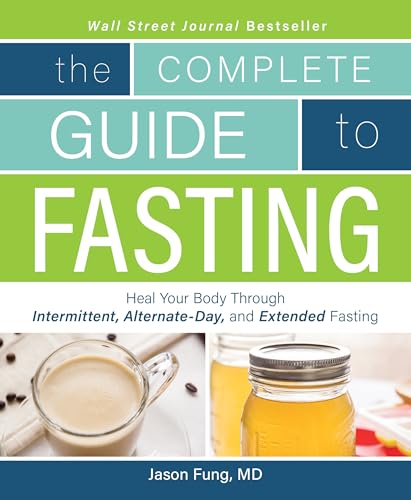
The Complete Guide to Fasting: Heal Your Body Through Intermittent, Alternate-Day, and Extended Fasting: Fung, Dr. Jason, Moore, Jimmy
Dr. Jason Fung ... The ultimate resource on intermittent fasting, the incredibly effective therapeutic approach to feeling better and losing weight that produces life-changing results.
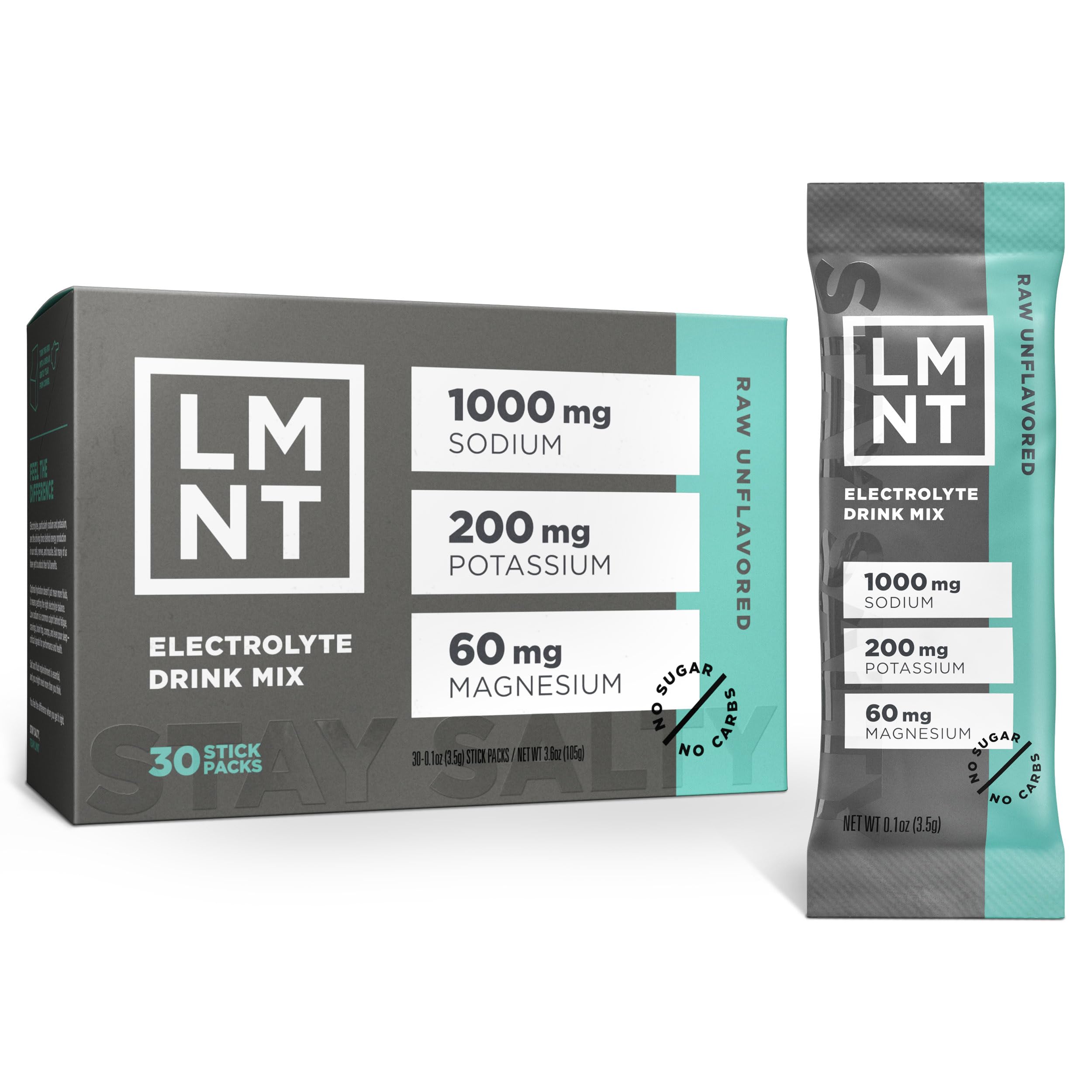
LMNT Zero Sugar Electrolytes - Raw Unflavored Salt | Drink Mix | 30-Count
Amazon.com: LMNT Zero Sugar Electrolytes - Raw Unflavored Salt | Drink Mix | 30-Count : Health & Household
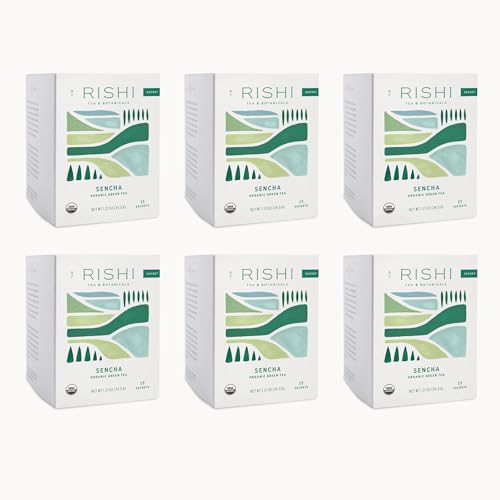
Rishi Tea Sencha Green Tea - Organic Sachet Bags, Caffeinated Japanese Green Tea, Enjoy Hot or Iced - 15 Count (Pack of 1)
Amazon.com : Rishi Tea Sencha Green Tea - Organic Sachet Bags, Caffeinated Japanese Green Tea, Enjoy Hot or Iced - 15 Count (Pack of 1) : Grocery & Gourmet Food
Evidence & Sources
Promising research with growing clinical support from multiple studies
- New England Journal of Medicine
- JAMA Network Open
- Annals of Internal Medicine
- National Institute on Aging (NIH)
- National Center for Complementary and Integrative Health (NCCIH)
- American Heart Association
- Cell Metabolism
- World Health Organization
This content is for informational purposes only and does not constitute medical advice. Always consult a qualified healthcare provider before starting, stopping, or changing any supplement or medication regimen.