

High-Fiber Diet
Also known as: Fiber-Rich Diet, Roughage Diet
Overview
A high-fiber diet emphasizes foods that naturally contain substantial amounts of dietary fiber, a group of plant-based carbohydrates that are not fully digested in the small intestine. Fiber is commonly divided into soluble fiber, which dissolves in water and can form a gel-like substance, and insoluble fiber, which adds bulk to stool and supports bowel regularity. Many whole foods contain a mix of both, including vegetables, fruits, legumes, whole grains, nuts, and seeds. Interest in high-fiber eating has grown because research links higher fiber intake with benefits for digestive function, blood sugar control, cholesterol metabolism, satiety, and long-term cardiometabolic health.
Fiber intake remains below recommended levels in many populations. Public health data from the United States and other industrialized countries suggest that most adults consume far less than commonly cited targets, which generally range around 25 to 38 grams per day depending on age and sex. This gap matters because low fiber intake has been associated with higher rates of constipation, diverticular disease, type 2 diabetes, cardiovascular disease, and colorectal conditions. A high-fiber dietary pattern is therefore often discussed not as a short-term intervention, but as a foundational feature of overall dietary quality.
From a physiological standpoint, fiber has diverse actions. Soluble and fermentable fibers can be metabolized by the gut microbiota, producing short-chain fatty acids such as butyrate, acetate, and propionate, which are being studied for roles in gut barrier function, inflammation regulation, and metabolic health. Fiber also tends to slow gastric emptying and carbohydrate absorption, which may help moderate post-meal blood glucose responses. Insoluble fiber contributes to stool bulk and transit time, supporting regular elimination. These mechanisms help explain why high-fiber dietary patterns are frequently examined in relation to both gastrointestinal wellness and blood sugar stability.
A high-fiber diet is best understood as a dietary pattern rather than a single product or supplement strategy. Whole-food sources often deliver fiber alongside vitamins, minerals, polyphenols, and other bioactive compounds, making it difficult to separate fiber from the broader health effects of minimally processed plant foods. At the same time, tolerance varies: increasing fiber too quickly may be associated with bloating, gas, abdominal discomfort, or changes in bowel habits, particularly in people with functional gastrointestinal disorders or certain digestive diseases. For that reason, discussions about fiber are often individualized, and people with medical conditions may benefit from guidance from a qualified healthcare professional.
Medical Perspectives
Two Ways of Seeing Health

Western
scientific · clinical
Western medicine applies science, technology, and clinical experience to treat symptoms through testing, diagnosis, and targeted intervention.

Eastern
traditional · alternative
Eastern medicine focuses on treating the body naturally by applying traditional knowledge practiced for thousands of years, emphasizing balance and whole-person wellness.
Gold Bamboo presents both perspectives side-by-side so you can make informed decisions. We don't advocate for one over the other — your health choices are yours.
Western Medicine Perspective
Western Medicine Perspective
In conventional medicine, a high-fiber diet is primarily viewed as a preventive and therapeutic nutrition strategy with relevance to gastroenterology, endocrinology, cardiology, and preventive care. Clinical and epidemiologic research suggests that higher dietary fiber intake is associated with lower risk of constipation, coronary heart disease, type 2 diabetes, and all-cause mortality. Fiber is also recognized in medical nutrition therapy for its role in supporting glycemic control, especially when fiber-rich carbohydrates replace more refined starches and sugars. Soluble viscous fibers in particular have been studied for their ability to reduce LDL cholesterol and blunt rapid rises in postprandial glucose.
Guidelines from organizations such as the American Diabetes Association, Academy of Nutrition and Dietetics, and major cardiometabolic societies commonly highlight fiber-rich foods as part of a balanced eating pattern. In diabetes care, research indicates that diets emphasizing legumes, intact whole grains, vegetables, and fruit may improve hemoglobin A1c, insulin sensitivity, and post-meal glucose response in some populations. In digestive health, adequate fiber intake is routinely associated with improved stool frequency and stool consistency, though the type of fiber matters: some forms may help constipation, while others may aggravate symptoms in people with IBS, IBD flares, strictures, or motility disorders.
Western medicine also differentiates between food-based fiber intake and isolated fiber supplements. Foods naturally rich in fiber often confer broader health benefits, while specific supplemental fibers such as psyllium, beta-glucan, inulin, or wheat dextrin are studied for targeted uses. The evidence base is strongest for certain outcomes—such as constipation relief, LDL reduction, and improved overall dietary quality—while research on the microbiome, inflammation, and personalized fiber responses remains active and evolving. Clinicians generally frame fiber within the context of the whole diet, hydration status, medication use, and underlying medical conditions rather than as a universal remedy.
Caution is also part of the conventional perspective. A high-fiber diet may not be appropriate in every circumstance, including some cases of bowel obstruction risk, acute gastrointestinal inflammation, post-surgical recovery, or medically prescribed low-residue diets. Because fiber can alter digestion and absorption, healthcare professionals may also consider possible interactions with certain medications, bowel regimens, or disease-specific nutrition plans. This is why individualized assessment remains important, particularly for those with chronic digestive disease, diabetes medications, or significant changes in bowel function.
Eastern & Traditional Perspective
Eastern/Traditional Medicine Perspective
In Traditional Chinese Medicine (TCM), a high-fiber diet would not typically be described in biochemical terms, but many fiber-rich foods are understood through their effects on digestion, bowel movement, dampness, heat, and the Spleen and Stomach systems. From this perspective, constipation or irregular elimination may reflect patterns such as dryness, heat accumulation, qi stagnation, or fluid deficiency, and plant foods with moistening or gently moving qualities may traditionally be used to support balance. Vegetables, legumes, seeds, and fruits may be selected not because they contain “fiber” per se, but because they are thought to help promote intestinal transit, nourish fluids, or clear excess heat, depending on the pattern identified.
In Ayurveda, dietary approaches are similarly individualized by constitution, digestive strength (agni), and imbalance patterns. Fiber-rich foods such as whole grains, legumes, fruits, vegetables, and seeds may be viewed as beneficial for elimination and metabolic steadiness, yet not universally suitable in the same form for every person. For example, rough, dry, or gas-producing foods may traditionally be considered aggravating in some Vata-dominant patterns unless prepared with adequate moisture, warming spices, or cooking methods that improve digestibility. Thus, traditional systems often emphasize not only what foods are eaten, but also how they are cooked, combined, and tolerated.
Naturopathic and integrative traditions often bridge these frameworks by recognizing fiber’s modern physiological roles while also emphasizing whole-food dietary patterns, gut ecology, regular elimination, and metabolic resilience. Fermentable fibers are increasingly discussed in relation to the microbiome, echoing long-standing traditional ideas that digestive health influences broader systemic well-being. However, traditional and integrative practitioners generally note that digestive symptoms such as bloating, distention, or loose stools may indicate that a person’s current digestive state affects how well higher-fiber foods are tolerated.
Overall, eastern and traditional systems tend to place a high-fiber style of eating within a larger philosophy of digestive harmony, individualized constitution, seasonality, and food energetics. This differs from the reductionist nutrient model of biomedicine, but there is meaningful overlap in the shared view that minimally processed plant foods can support regularity, metabolic balance, and long-term health when matched appropriately to the individual. Consultation with qualified healthcare professionals is especially important when traditional dietary concepts are being integrated with conventional care for diabetes, gastrointestinal disease, or complex chronic illness.
Supplements & Products
Recommended Products
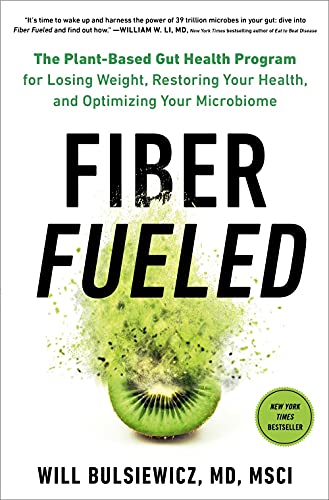
Fiber Fueled: The Plant-Based Gut Health Program for Losing Weight, Restoring Your Health, andOptimizing Your Microbiome eBook : Bulsiewicz MD, Will
With <strong>over 70 plant-fueled recipes, detailed shopping lists, and key lifestyle changes that will help you heal your gut without even lifting a fork</strong>, Fiber Fueled will allow you to thri
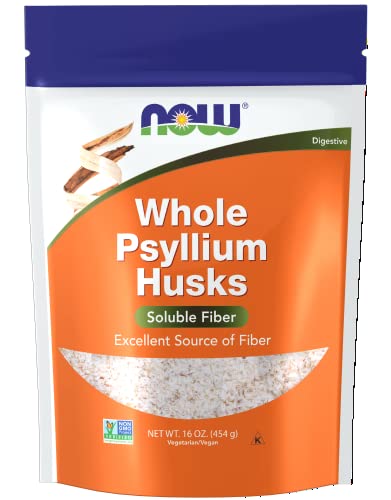
NOW Foods Supplements, Whole Psyllium Husks, Non-GMO Project Verified, Soluble Fiber, 16-Ounce
It's Just! - Psyllium Husk Powder, Easy Mixing Dietary Fiber, Cleanse Your Digestive System, Finely Ground Powder, Ideal for Keto Baking, Non-GMO (Unflavored, 10oz (Pack of 1)) ... NOW Foods Supp

Tomorrow's Nutrition, Sunfiber, Prebiotic Fiber Supplement for Digestive Health, Low FODMAP, Gluten-Free, Unflavored, 30 Servings : Everything Else
Buy Tomorrow's Nutrition, Sunfiber, Prebiotic Fiber Supplement for Digestive Health, Low FODMAP, Gluten-Free, Unflavored, 30 Servings on Amazon.com ✓ FREE SHIPPING on qualified orders
Evidence & Sources
Supported by multiple clinical trials and systematic reviews
- World Health Organization
- U.S. Department of Agriculture Dietary Guidelines for Americans
- Academy of Nutrition and Dietetics
- American Diabetes Association Standards of Care in Diabetes
- The Lancet
- New England Journal of Medicine
- National Institute of Diabetes and Digestive and Kidney Diseases (NIDDK)
- National Center for Complementary and Integrative Health (NCCIH)
This content is for informational purposes only and does not constitute medical advice. Always consult a qualified healthcare provider before starting, stopping, or changing any supplement or medication regimen.