

Grain-Free Diet
Also known as: No grains diet, Grain free eating, Grain avoidance diet
Overview
A grain-free diet is an eating pattern that excludes all grains, including wheat, barley, rye, oats, corn, rice, millet, sorghum, and other cereal grains. It is often associated with paleo-style eating, some autoimmune-focused elimination protocols, and certain low-carbohydrate or whole-food dietary approaches. People are commonly interested in grain-free eating for reasons such as bloating, digestive discomfort, perceived food sensitivities, blood sugar management, or a preference for minimally processed foods.
It is important to distinguish grain-free from gluten-free. A gluten-free diet removes gluten-containing grains such as wheat, barley, and rye, but may still include naturally gluten-free grains like rice, corn, and oats. A grain-free diet is broader and excludes those as well. In practice, grain-free eating often emphasizes foods such as vegetables, fruits, legumes in some versions, nuts, seeds, eggs, fish, poultry, and meats, though specific food choices vary widely depending on the philosophy behind the diet.
From a nutrition perspective, grains are major sources of carbohydrates, fiber, B vitamins, iron, magnesium, and other nutrients in many dietary patterns worldwide. Because of this, eliminating them can change overall nutrient intake in meaningful ways. Research suggests that some individuals may feel better when reducing certain grain-based foods, especially if their previous diet was high in refined grains and ultra-processed products. At the same time, whole grains are consistently associated in population research with cardiovascular, metabolic, and digestive health benefits, so the health impact of a grain-free diet depends heavily on which grains are removed, why they are removed, and what foods replace them.
For people with clearly defined medical conditions such as celiac disease, wheat allergy, or non-celiac gluten sensitivity, avoiding specific grains may be medically relevant. For others, the rationale is often more individualized and may involve digestive symptom tracking, elimination-reintroduction strategies, or broader lifestyle goals. As with many restrictive diets, nutritional adequacy and symptom interpretation can be complex, and healthcare or nutrition professionals are often involved when the diet is used for ongoing symptoms or chronic health concerns.
Medical Perspectives
Two Ways of Seeing Health

Western
scientific · clinical
Western medicine applies science, technology, and clinical experience to treat symptoms through testing, diagnosis, and targeted intervention.

Eastern
traditional · alternative
Eastern medicine focuses on treating the body naturally by applying traditional knowledge practiced for thousands of years, emphasizing balance and whole-person wellness.
Gold Bamboo presents both perspectives side-by-side so you can make informed decisions. We don't advocate for one over the other — your health choices are yours.
Western Medicine Perspective
Western Medicine Perspective
In conventional nutrition and gastroenterology, a grain-free diet is not considered a standard first-line therapy for the general population. Western medicine typically distinguishes between medically necessary grain avoidance and broader lifestyle-based dietary restriction. Conditions with clearer evidence include celiac disease, which requires lifelong avoidance of gluten-containing grains; wheat allergy, which involves immune reactions to wheat proteins; and non-celiac gluten sensitivity, a less clearly defined condition in which some people report symptom improvement when gluten-containing foods are removed. In these settings, the focus is usually on eliminating the relevant trigger rather than excluding all grains.
For symptoms such as bloating, abdominal pain, altered bowel habits, or perceived food intolerance, clinicians often consider a range of explanations, including irritable bowel syndrome (IBS), fermentable carbohydrate intolerance, fiber imbalance, eating pattern changes, or unrelated gastrointestinal disease. Some grain-containing foods are high in FODMAPs or other fermentable compounds, which may contribute to symptoms in sensitive individuals. Research indicates that symptom improvement after removing grains may sometimes reflect reduced intake of fructans, processed foods, additives, or excess refined carbohydrates, rather than a universal problem with grains themselves.
From a preventive health standpoint, large observational studies consistently associate whole grain intake with lower risk of cardiovascular disease, type 2 diabetes, colorectal cancer, and all-cause mortality. For that reason, mainstream dietary guidance generally supports inclusion of whole grains unless there is a specific medical reason to avoid them. A grain-free pattern can still be nutritionally adequate, but conventional medicine notes potential risks if replacement foods do not provide enough fiber, B vitamins, trace minerals, or overall dietary variety. This is especially relevant when grain-free eating becomes highly restrictive or relies heavily on packaged “grain-free” substitute products.
Western clinicians may view a grain-free diet as a possible short-term exploratory strategy in selected cases, but usually within a broader assessment of symptoms, nutrition status, and underlying conditions. The emphasis is on careful diagnosis, evidence-based elimination approaches when appropriate, and monitoring for unintended nutritional gaps.
Eastern & Traditional Perspective
Eastern/Traditional Medicine Perspective
Traditional medical systems generally do not frame food in terms of modern categories like “grain-free,” but they often evaluate diet through the lens of digestion, constitution, energy, season, and individual tolerance. In Traditional Chinese Medicine (TCM), grains have historically held an important role in nourishing the body, particularly the Spleen and Stomach systems, which are understood as central to digestion and the transformation of food into usable energy. However, TCM also recognizes that some foods may contribute to patterns such as dampness, phlegm accumulation, bloating, or digestive stagnation in susceptible individuals. In that context, a temporary reduction in certain heavy, processed, or poorly tolerated grain foods might be considered relevant for some constitutions.
At the same time, classical East Asian dietary traditions often use well-cooked grains and congee-style preparations as gentle, restorative foods, especially during recovery, digestive weakness, or depleted states. This creates a nuanced perspective: grains are not seen as inherently problematic, but rather as foods whose effects depend on preparation method, digestive strength, climate, and pattern differentiation. Refined, cold, greasy, or highly processed grain products may be viewed differently from freshly cooked whole grains.
In Ayurveda, grains are also assessed according to qualities such as heaviness, dryness, grounding effect, and compatibility with dosha balance. Some individuals may be understood as digesting particular grains poorly, while others may benefit from them as stable energy sources. Ayurveda traditionally emphasizes agni (digestive fire), food combining, cooking methods, and individualized tolerance rather than broad universal elimination. A grain-free pattern may be interpreted as appropriate in selected situations involving sluggish digestion or certain therapeutic protocols, but not necessarily as a long-term ideal for everyone.
Naturopathic and functional traditions sometimes incorporate grain-free eating as part of elimination diets for food sensitivity exploration, digestive complaints, inflammatory concerns, or autoimmune-oriented protocols. These approaches often emphasize whole foods, low intake of processed products, and structured observation of symptoms. The traditional and integrative perspective overall tends to be individualized: the key question is less whether grains are categorically “good” or “bad,” and more whether a person’s current digestive and constitutional picture appears to tolerate them well.
Supplements & Products
Recommended Products

Danielle Walker's Against All Grain: Meals Made Simple: Gluten-Free, Dairy-Free, and Paleo Recipes to Make Anytime: Walker, Danielle
Food blogger and author of the New York Times bestselling cookbook, Against All Grain (www.againstallgrain.com), Danielle Walker, is the new face of grain-free cooking. A self-trained chef, Danielle t
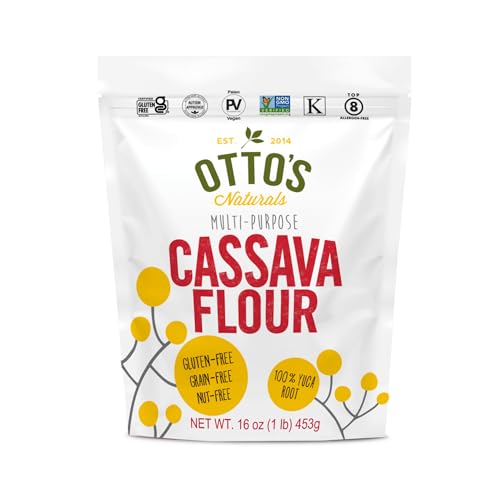
Otto's Naturals Multi-Purpose Cassava Flour, Non-GMO, Gluten-Free, Grain, Nut and Gum-Free, 1-to-1 Wheat Flour Alternative, Paleo, AIP, 2 lb
Amazon.com : Otto's Naturals Multi-Purpose Cassava Flour, Non-GMO, Gluten-Free, Grain, Nut and Gum-Free, 1-to-1 Wheat Flour Alternative, Paleo, AIP, 2 lb : Grocery & Gourmet Food

OXO Good Grips 3-Blade Tabletop Spiralizer with StrongHold Suction
<strong>Rotating handle turns fruits and vegetables to spiralize</strong>. Side handle advances fruits and vegetables through blades and folds up for compact storage · Stronghold suction cup for non-s
Evidence & Sources
Promising research with growing clinical support from multiple studies
- U.S. Dietary Guidelines for Americans
- American College of Gastroenterology
- National Institute of Diabetes and Digestive and Kidney Diseases (NIDDK)
- National Center for Complementary and Integrative Health (NCCIH)
- The BMJ
- Circulation
- The Lancet
- Cochrane Database of Systematic Reviews
This content is for informational purposes only and does not constitute medical advice. Always consult a qualified healthcare provider before starting, stopping, or changing any supplement or medication regimen.