

Gluten-Free Diet
Also known as: GF diet, No gluten diet, Gluten free eating, Gluten-free eating plan
Overview
A gluten-free diet is a dietary pattern that excludes gluten, a group of storage proteins found primarily in wheat, barley, and rye. Gluten is present in many obvious foods such as bread, pasta, cereals, and baked goods, but it may also appear in less obvious sources including sauces, processed foods, flavorings, supplements, and some medications. Interest in gluten-free eating has expanded far beyond diagnosed celiac disease, with people exploring it for digestive complaints, autoimmune-related concerns, skin symptoms, fatigue, and general wellness goals.
From a medical standpoint, the gluten-free diet is most clearly established for celiac disease, an autoimmune disorder in which gluten exposure triggers immune-mediated damage to the small intestine. It is also used in wheat allergy, where the immune response is directed toward wheat proteins, and in non-celiac gluten sensitivity (NCGS), a less clearly defined condition in which people report symptoms related to gluten-containing foods without the intestinal injury seen in celiac disease. Researchers have also examined whether some symptoms attributed to gluten may instead relate to other components of wheat-containing foods, such as FODMAP carbohydrates, underscoring that the topic is more complex than a simple “gluten equals symptoms” model.
The significance of a gluten-free diet depends heavily on the reason it is being used. For people with celiac disease, strict lifelong gluten avoidance is the accepted standard approach because even small exposures may sustain inflammation and nutrient malabsorption. In broader wellness culture, however, the evidence is more mixed. Some individuals report meaningful symptom improvement, while others may adopt the diet without a clear medical indication and risk unnecessary restriction, social burden, or nutritional gaps if the diet is not carefully planned.
A balanced discussion of the gluten-free diet therefore includes both its clear medical necessity in certain conditions and its less certain role in others. It is also important to note that self-initiating gluten avoidance before diagnostic testing can make celiac disease harder to confirm. Conventional and traditional systems alike often emphasize that dietary patterns are most useful when they are individualized, context-aware, and assessed alongside overall digestive health, nutritional status, and symptom patterns, ideally with qualified healthcare guidance.
Medical Perspectives
Two Ways of Seeing Health

Western
scientific · clinical
Western medicine applies science, technology, and clinical experience to treat symptoms through testing, diagnosis, and targeted intervention.

Eastern
traditional · alternative
Eastern medicine focuses on treating the body naturally by applying traditional knowledge practiced for thousands of years, emphasizing balance and whole-person wellness.
Gold Bamboo presents both perspectives side-by-side so you can make informed decisions. We don't advocate for one over the other — your health choices are yours.
Western Medicine Perspective
Western Medicine Perspective
In conventional medicine, the gluten-free diet is best understood as a disease-specific medical nutrition therapy for certain diagnosed conditions. The strongest evidence supports its use in celiac disease, where ingestion of gluten leads to an immune reaction that damages the small intestinal lining, often causing diarrhea, bloating, abdominal pain, weight changes, iron deficiency, fatigue, dermatitis herpetiformis, and other systemic effects. Diagnosis typically involves celiac serology and, in many cases, small-bowel biopsy, and testing is generally most accurate while a person is still consuming gluten. Major gastroenterology organizations describe a strict gluten-free diet as the cornerstone of long-term management.
Western medicine also recognizes the gluten-free diet in wheat allergy, though this differs from celiac disease because it is an allergic rather than autoimmune response. In non-celiac gluten sensitivity, studies suggest that some people experience gastrointestinal or extraintestinal symptoms after eating gluten-containing foods, but the condition remains diagnostically challenging because there is no single definitive biomarker. Research has further shown that some individuals who believe they react to gluten may actually be responding to fructans or other fermentable carbohydrates commonly present in wheat-based foods. For that reason, symptom improvement on a gluten-free diet does not always confirm gluten as the sole trigger.
Potential benefits of a properly implemented gluten-free diet include symptom control, intestinal healing in celiac disease, and reduced risk of long-term complications related to untreated celiac disease, such as osteoporosis, micronutrient deficiencies, and certain malignancy risks. At the same time, conventional medicine notes important limitations: many gluten-free processed foods are lower in fiber, iron, folate, and B vitamins and may be higher in sugar or fat. Cross-contamination is another major issue for people with celiac disease, because even small amounts of gluten may matter. For these reasons, clinical discussions often include label reading, nutritional adequacy, and evaluation for persistent symptoms despite dietary change.
Overall, the conventional view is nuanced: the gluten-free diet is well established and medically necessary in celiac disease, appropriate in selected cases of wheat allergy, and potentially helpful but less clearly defined in non-celiac gluten sensitivity or other symptom-driven contexts. Healthcare professionals commonly emphasize proper diagnosis, differential evaluation, and ongoing nutritional monitoring rather than assuming all digestive or inflammatory symptoms stem from gluten.
Eastern & Traditional Perspective
Eastern / Traditional Medicine Perspective
Traditional systems such as Traditional Chinese Medicine (TCM) and Ayurveda do not historically describe gluten as a biochemical entity in the modern sense, yet they have long frameworks for understanding how certain foods may contribute to digestive discomfort, fatigue, heaviness, inflammation-like states, or symptom flares in susceptible individuals. Rather than focusing on gluten alone, these systems often assess the person’s overall constitution, digestive resilience, and pattern of imbalance. In this context, foods made from wheat or other dense grains may be viewed as suitable for some individuals but difficult for others, especially when digestion is perceived as weak or burdened.
In TCM, recurrent bloating, loose stools, abdominal distension, lethargy, and mucus-like digestive symptoms are sometimes interpreted through patterns such as Spleen Qi deficiency, Damp accumulation, or food stagnation. From this perspective, reducing foods that seem to create heaviness or worsen digestive sluggishness may be considered part of restoring balance. Wheat itself is not universally categorized as harmful in TCM; traditional use depends on the person, preparation method, and symptom pattern. A modern gluten-free approach may therefore be seen less as a universal rule and more as one possible adjustment within a broader strategy centered on digestion, meal regularity, and individualized food tolerance.
In Ayurveda, discussion may center on agni (digestive fire), ama (undigested or toxic residue), and constitutional tendencies involving Vata, Pitta, and Kapha. Grain tolerance is understood to vary by person, season, and digestive strength. If a food is experienced as difficult to digest, excessively drying, inflammatory, or mucus-forming for a given individual, it may be reduced or avoided while attention is given to the larger pattern of digestion and nourishment. Similar ideas appear in naturopathic and functional traditions, where gluten avoidance is sometimes explored in the context of elimination diets, intestinal permeability hypotheses, or systemic inflammatory symptom patterns, though evidence quality varies depending on the condition being considered.
Across Eastern and traditional perspectives, the emphasis is typically on individual response, digestive harmony, and whole-diet context rather than a blanket claim that gluten is inherently harmful to everyone. These systems may offer useful frameworks for understanding why one person feels better avoiding certain grains while another does not. However, when celiac disease or allergy is a possibility, modern diagnostic evaluation remains important, because traditional symptom patterns do not replace laboratory or specialist assessment.
Supplements & Products
Recommended Products
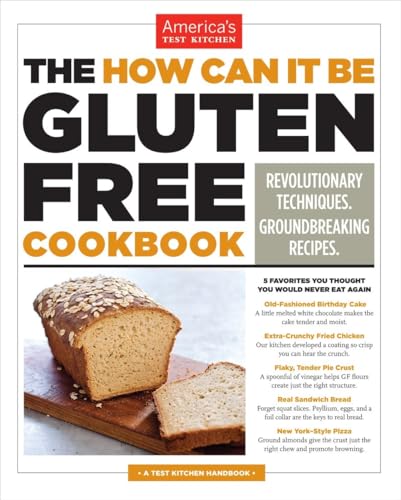
The How Can It Be Gluten Free Cookbook: Revolutionary Techniques. Groundbreaking Recipes.: America's Test Kitchen
It was the result of a yearlong odyssey in the test kitchen, during which we <strong>reinvented the rules of baking (and cooking) and taste-tested dozens of gluten-free supermarket products</strong>.

Enzymedica GlutenEase Extra Strength, Advanced Gluten Digestive Enzymes for Women and Men, Fast-Acting Formula for Bloating Relief & Digestive Health, 60 Capsules
ENZIMAS DIGESTIVAS AVANZADAS – GlutenEase Extra Strength <strong>ayuda a descomponer gluten y caseína con DPP-IV y Thera-Blend</strong>. Fórmula vegana, kosher y sin gluten, lácteos, soja ni colorante

Hygiena GlutenTox Pro Gluten Detection Kit for Foods, Beverages, and Surfaces (25 Tests) : Industrial & Scientific
GlutenTox Pro <strong>contains the G12 anti-gliadin antibody that specifically recognizes the 33-mer peptide, the gluten fraction that triggers celiac disease</strong>. - Quantity: 25 Tests - AOAC-RI
Evidence & Sources
Promising research with growing clinical support from multiple studies
- National Institute of Diabetes and Digestive and Kidney Diseases (NIDDK)
- National Institute of Allergy and Infectious Diseases (NIAID)
- American College of Gastroenterology Clinical Guidelines
- British Medical Journal (BMJ)
- Gastroenterology
- The New England Journal of Medicine
- Nutrients
- National Center for Complementary and Integrative Health (NCCIH)
This content is for informational purposes only and does not constitute medical advice. Always consult a qualified healthcare provider before starting, stopping, or changing any supplement or medication regimen.