

Extended Fasting
Also known as: Prolonged Fasting, Long-Term Fasting
Overview
Extended fasting generally refers to intentional periods of little to no caloric intake lasting longer than 24 hours, often ranging from 36 hours to several days. It is distinct from overnight fasting and time-restricted eating because the body moves beyond using recently consumed glucose and increasingly relies on glycogen depletion, fat oxidation, and ketone production for energy. Interest in extended fasting has grown through wellness culture, religious practice, longevity research, and metabolic health discussions, with common claims involving "detox," cellular repair, metabolic reset, and mental clarity.
From a physiology standpoint, prolonged fasting triggers a coordinated set of adaptations. Insulin levels tend to decline, glucagon and catecholamine signaling shift energy use toward stored fuels, and ketone bodies become more prominent as fasting continues. Researchers have also studied fasting-related changes in autophagy, inflammation, insulin sensitivity, and oxidative stress, though much of the enthusiasm in public discourse extends beyond what has been firmly established in humans. The term "detox" is especially important to frame carefully: in conventional medicine, detoxification is primarily understood as the ongoing work of the liver, kidneys, gastrointestinal tract, lungs, and skin, rather than a process uniquely activated by fasting.
Extended fasting has been explored in a variety of contexts, including weight loss, obesity, insulin resistance, cardiometabolic risk, neurological resilience, and cancer-supportive research settings. Some short-term studies and observational data suggest fasting can influence body weight, blood glucose regulation, blood pressure, and lipid markers in certain populations. However, effects vary substantially depending on fast duration, hydration, baseline nutritional status, medications, body composition, and underlying medical conditions. There are also important safety considerations, including electrolyte disturbances, dehydration, dizziness, hypoglycemia, nutrient inadequacy, headaches, and the risk of refeeding-related complications after longer fasts.
For these reasons, extended fasting is best understood as a high-intensity dietary practice rather than a universally appropriate wellness habit. It may have meaningful physiological effects, but it is not benign for everyone, and research remains stronger for some outcomes than others. Balanced discussion typically includes both the potential metabolic and cellular mechanisms under study and the reality that prolonged fasting may be unsuitable for people with certain medical conditions, a history of disordered eating, pregnancy, frailty, or those using glucose-lowering or blood pressure medications. Consultation with a qualified healthcare professional is commonly advised before major dietary changes of this kind.
Medical Perspectives
Two Ways of Seeing Health

Western
scientific · clinical
Western medicine applies science, technology, and clinical experience to treat symptoms through testing, diagnosis, and targeted intervention.

Eastern
traditional · alternative
Eastern medicine focuses on treating the body naturally by applying traditional knowledge practiced for thousands of years, emphasizing balance and whole-person wellness.
Gold Bamboo presents both perspectives side-by-side so you can make informed decisions. We don't advocate for one over the other — your health choices are yours.
Western Medicine Perspective
Western Medicine Perspective
In conventional medicine, extended fasting is viewed through the lenses of metabolism, endocrinology, nutrition, and risk management. During fasting beyond 24 hours, glycogen stores decline and the body increasingly shifts toward lipolysis and ketogenesis. Investigators have studied how this metabolic switch may influence insulin sensitivity, inflammatory signaling, mitochondrial function, and cellular stress responses. Animal and early human research has also drawn attention to autophagy and fasting-mimicking effects, although translating mechanistic findings into clear clinical outcomes remains an active area of research.
Clinical interest has been strongest in obesity, type 2 diabetes risk, metabolic syndrome, and cardiovascular markers. Some studies indicate fasting protocols can support reductions in weight, waist circumference, fasting insulin, and certain cardiometabolic parameters, particularly when they reduce overall caloric intake. At the same time, conventional medicine distinguishes between structured medical fasting, intermittent fasting strategies, and unsupervised prolonged fasting, because safety and outcome data are not interchangeable. Longer fasts may increase the likelihood of hypotension, dizziness, syncope, gout flares, electrolyte imbalance, dehydration, arrhythmia risk in vulnerable individuals, and medication-related complications.
Mainstream medical organizations generally do not treat extended fasting as a first-line therapy for the general population, and many clinicians emphasize individual screening and supervision when fasting extends beyond a day. People with diabetes, chronic kidney disease, liver disease, active infection, low body weight, eating disorders, pregnancy, breastfeeding, or advanced age may face heightened risks. In oncology and neurology, fasting-related interventions are being studied, but these remain specialized and investigational rather than standard treatment. Overall, western medicine considers extended fasting a biologically plausible intervention with selective emerging applications, but one that requires careful attention to evidence quality, contraindications, and clinical context.
Eastern & Traditional Perspective
Eastern / Traditional Medicine Perspective
In Traditional Chinese Medicine (TCM) and other traditional systems, periods of simplified eating or temporary abstinence from food have historically appeared in religious, contemplative, and seasonal purification practices. These traditions often frame fasting less as a calorie-based intervention and more as a way to support internal balance, digestive rest, mental clarity, and spiritual discipline. In TCM language, digestive function is often associated with the Spleen and Stomach systems, and prolonged fasting may be interpreted differently depending on an individual's constitution: for some, reducing excess may be seen as lightening a burden of dampness, stagnation, or heat, while for others it may be thought to weaken qi, blood, or yin if carried too far.
Ayurveda likewise places great emphasis on agni (digestive fire), metabolic balance, and the accumulation of ama, a traditional concept often translated as toxic residue or undigested burden. Short periods of lighter eating, mono-diets, or digestive rest have traditionally been used in some Ayurvedic settings to help rekindle agni and promote clarity. However, classical Ayurvedic thinking is also strongly constitution-specific: extended fasting may be viewed as aggravating, especially in people with a more depleted, dry, cold, or variable pattern. This makes traditional interpretation less about a universal protocol and more about whether fasting aligns with the person's current state.
In naturopathic and integrative traditions, fasting has often been described as a means of supporting the body's self-regulatory and eliminative processes. Concepts such as "detoxification" are commonly used in these communities, though modern evidence-based discussion tends to distinguish between traditional cleansing language and the physiological detox roles already performed by the liver, kidneys, and other organs. Across eastern and traditional frameworks, a recurring theme is that fasting is not simply the absence of food; it is part of a broader system involving constitution, season, hydration, rest, and recovery. These traditions generally emphasize individualized assessment and caution in those who are frail, depleted, pregnant, elderly, or otherwise vulnerable.
Supplements & Products
Recommended Products
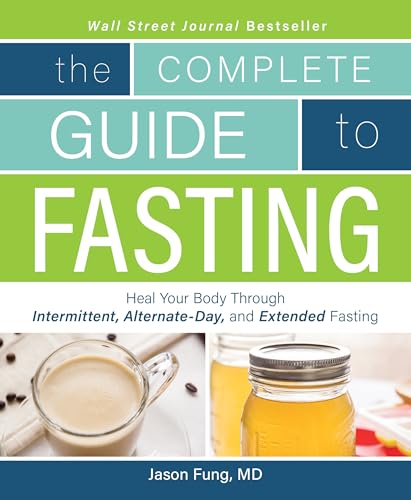
The Complete Guide to Fasting: Heal Your Body Through Intermittent, Alternate-Day, and Extended Fasting: Fung, Dr. Jason, Moore, Jimmy
Dr. Jason Fung ... The ultimate resource on intermittent fasting, the incredibly effective therapeutic approach to feeling better and losing weight that produces life-changing results.

REDMOND Re-Lyte Hydration Electrolyte Powder Mix (Mixed Berry)
THE SECRET's IN THE SALT: <strong>Powered by our Redmond Real Salt, this optimal blend of essentail electrolytes helps you hydrate and feel your best -with clean ingredients and no added sugar</s

KETO-MOJO GK+ Bluetooth Glucose & Ketone Testing Kit + Free APP for Ketosis & Diabetes Support. 20 Blood Test Strips (10 Each), Meter, 20 Lancets, Lancing Device, and Control Solutions
CLINICAL-GRADE KETONE & GLUCOSE TESTING The GK+ Meter <strong>delivers fast, accurate readings for both ketones and glucose</strong>. Trusted by healthcare professionals and used in over 100 clini
Evidence & Sources
Promising research with growing clinical support from multiple studies
- New England Journal of Medicine
- Cell Metabolism
- Nature Reviews Endocrinology
- National Center for Complementary and Integrative Health (NCCIH)
- National Institute of Diabetes and Digestive and Kidney Diseases (NIDDK)
- American Heart Association
- BMJ
- JAMA Internal Medicine
This content is for informational purposes only and does not constitute medical advice. Always consult a qualified healthcare provider before starting, stopping, or changing any supplement or medication regimen.