

Dairy-Free Diet
Also known as: No dairy diet, Milk-free diet, Dairy free eating, Casein-free diet
Overview
A dairy-free diet is an eating pattern that excludes foods made from animal milk, most commonly cow’s milk products such as milk, cheese, yogurt, butter, cream, ice cream, and whey- or casein-containing processed foods. Some people avoid dairy because of lactose intolerance, cow’s milk protein allergy, or digestive discomfort, while others explore it as part of broader dietary strategies related to skin health, sinus symptoms, inflammatory concerns, or elimination-style healing plans. Because dairy ingredients appear in many packaged foods, a dairy-free pattern often involves careful label reading and awareness of hidden sources such as milk solids, whey, casein, and certain flavorings or sauces.
From a nutrition standpoint, dairy is a major source of calcium, vitamin D (in fortified products), protein, potassium, riboflavin, and vitamin B12 in many diets. For that reason, removing dairy is not simply a matter of omission; it changes the nutrient profile of the diet and may require attention to alternative food sources. Fortified plant beverages, calcium-set tofu, legumes, leafy greens, nuts, seeds, and certain fish can help support nutritional adequacy, though their nutrient density and bioavailability vary. The health impact of a dairy-free diet therefore depends heavily on why dairy is being removed, what replaces it, and the overall quality of the diet.
Interest in dairy-free eating has grown alongside increased recognition of lactose malabsorption, changing food preferences, and rising demand for plant-based products. At the same time, the term “dairy-free” can mean different things in different contexts. In allergy care, it may imply strict avoidance of all milk-derived ingredients. In wellness settings, it may refer more loosely to avoiding obvious dairy foods while using alternative products. This distinction matters because the underlying health issue determines how rigorous avoidance needs to be and how outcomes are interpreted.
Research on dairy avoidance is mixed and condition-specific. Evidence is strongest for dairy-free diets in clearly defined situations such as cow’s milk allergy and, to a lesser extent, symptom management in lactose intolerance when lactose-containing foods are a trigger. For concerns like acne, sinus congestion, mucus production, eczema, or generalized inflammation, findings are more nuanced. Some studies suggest an association between certain dairy products and acne in some populations, while evidence for routine dairy avoidance in sinus or mucus-related complaints is less consistent. As with many dietary patterns, meaningful evaluation often depends on individualized context and, when symptoms are significant, guidance from a qualified healthcare professional.
Medical Perspectives
Two Ways of Seeing Health

Western
scientific · clinical
Western medicine applies science, technology, and clinical experience to treat symptoms through testing, diagnosis, and targeted intervention.

Eastern
traditional · alternative
Eastern medicine focuses on treating the body naturally by applying traditional knowledge practiced for thousands of years, emphasizing balance and whole-person wellness.
Gold Bamboo presents both perspectives side-by-side so you can make informed decisions. We don't advocate for one over the other — your health choices are yours.
Western Medicine Perspective
Western Medicine Perspective
In conventional medicine, a dairy-free diet is most clearly understood as a targeted dietary strategy for specific clinical indications. The best-established examples are cow’s milk protein allergy and lactose intolerance. Cow’s milk allergy is an immune-mediated reaction to milk proteins such as casein or whey and may cause skin, gastrointestinal, respiratory, or systemic symptoms. In these cases, strict dairy avoidance is commonly used as part of medical management. Lactose intolerance, by contrast, results from reduced lactase enzyme activity and leads to symptoms such as bloating, gas, abdominal pain, and diarrhea after lactose-containing foods. Here, tolerance levels vary, and not all dairy-free approaches are identical because some individuals react mainly to lactose rather than all milk-derived components.
Outside allergy and lactose intolerance, conventional medicine evaluates dairy-free diets through a condition-by-condition evidence lens. In dermatology, research suggests a possible relationship between milk intake and acne, particularly in adolescents and young adults, though causality and mechanisms remain under study. Proposed explanations include effects on insulin-like growth factor-1 signaling, hormonal pathways, or interactions with high-glycemic dietary patterns. In gastroenterology and primary care, dairy elimination may sometimes be explored within broader diagnostic approaches for functional GI symptoms, but it is generally not treated as a universal solution because symptoms may also relate to irritable bowel syndrome, FODMAP sensitivity, reflux, or other causes.
Conventional nutrition science also emphasizes potential nutritional tradeoffs. Removing dairy without thoughtful substitution may reduce intake of calcium, vitamin D, and high-quality protein, especially in children, adolescents, pregnant individuals, and older adults. In public health and clinical nutrition, this is one of the main cautions surrounding dairy-free eating. Plant-based alternatives are not nutritionally interchangeable by default; their protein content, fortification status, additives, and sugar content differ widely. For this reason, western medicine generally frames dairy-free eating as potentially useful in selected cases, but not automatically beneficial for the general population unless it fits the person’s medical needs, preferences, and broader dietary pattern.
Where symptoms are persistent, conventional care typically values formal evaluation rather than self-diagnosis alone. Testing or structured assessment may be considered for milk allergy, lactose intolerance, chronic GI symptoms, or nutritional deficiencies. This is especially relevant for infants, children, and people with multiple food exclusions, where growth, bone health, and adequate nutrient intake are important considerations.
Eastern & Traditional Perspective
Eastern and Traditional Medicine Perspective
In Traditional Chinese Medicine (TCM), dairy is not usually discussed in terms of lactose, proteins, or immunology, but rather by how foods are thought to influence the body’s internal balance. Dairy foods are often described as rich, damp-forming, and potentially phlegm-producing in susceptible individuals. Within that framework, people with patterns associated with dampness, phlegm accumulation, digestive sluggishness, sinus congestion, heaviness, or certain skin eruptions may be considered less well suited to regular dairy intake. A dairy-free diet in TCM is therefore sometimes viewed as a way of reducing foods believed to burden the Spleen and contribute to dampness or mucus, particularly when paired with individualized dietary and herbal strategies.
In Ayurveda, dairy is approached more selectively. Traditional texts and modern Ayurvedic practitioners may distinguish between different forms of dairy, their preparation, the constitution of the individual, digestive strength (agni), and the presence of imbalance. Some dairy foods, especially when fresh, warm, cultured, or used in specific ways, have historically been regarded as nourishing in certain constitutions. However, in people thought to have kapha excess, sluggish digestion, congestion, or ama accumulation, reducing heavy dairy foods may be seen as supportive. This means Ayurveda does not always frame dairy as universally problematic; instead, it tends to evaluate tolerance according to constitution, season, digestion, and symptom pattern.
In naturopathic and functional-traditional circles, dairy-free diets are frequently used within elimination protocols intended to clarify food-symptom relationships involving digestion, skin, congestion, or fatigue. These systems often place emphasis on observation of subjective changes after removing common trigger foods, then reassessing tolerance over time. While such approaches are widely used in practice, the underlying rationale may draw from a blend of traditional concepts and modern hypotheses about inflammation, intestinal permeability, or immune reactivity, and the strength of supporting evidence varies by condition.
Across eastern and traditional frameworks, a common theme is individualization. Rather than assuming dairy is inherently harmful, these systems generally ask whether it matches the person’s current digestive capacity, constitution, and symptom pattern. Because traditional interpretations differ from biomedical diagnosis, persistent or severe symptoms are still best evaluated with appropriately trained healthcare professionals, particularly when allergy, nutritional compromise, or chronic disease may be involved.
Supplements & Products
Recommended Products

Go Dairy Free: The Guide and Cookbook for Milk Allergies, Lactose Intolerance, and Casein-free Living: Fleming, Alisa Marie
To aid this niche, Alisa Fleming founded the informational website GoDairyFree.org in 2004, and produced the limited edition guidebook <strong>Dairy Free Made Easy</strong> in 2006, which quickly sold
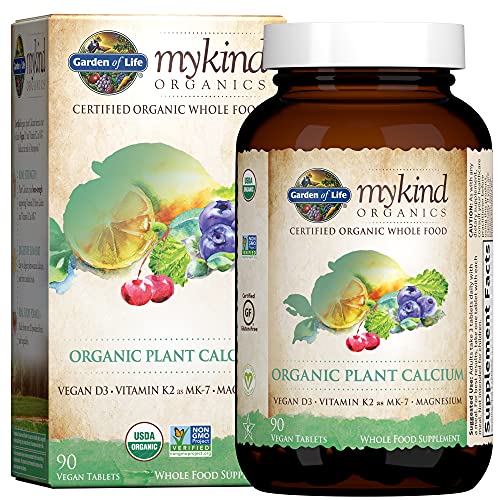
Garden of Life Calcium Supplement with Magnesium & Organic Vitamin D3 K2, Made from Whole Foods, Gluten-Free, 180 Count
Vitamin D (as D3 cholecalciferol from Organic Algae), Calcium (from Organic Algae), Magnesium (from Organic Algae), Vitamin K2 (as menaquinone-7 from Natto), Organic Plant Calcium Blend: Organic Algae

NOW Foods Sports Nutrition, Pea Protein 24 g, Fast Absorbing, Unflavored Powder, 2-Pound
Each 1 scoop serving typically has over 4,200 mg of branched-chain amino acids, and over 2,000 mg of arginine. NOW® Sports Pea Protein is <strong>pure and natural, unflavored</strong>, and mixes easil
Evidence & Sources
Promising research with growing clinical support from multiple studies
- National Institutes of Health (NIH) — Lactose Intolerance
- National Institute of Diabetes and Digestive and Kidney Diseases (NIDDK)
- National Institute of Allergy and Infectious Diseases (NIAID) Guidelines for Food Allergy
- American Academy of Allergy, Asthma & Immunology (AAAAI)
- National Center for Complementary and Integrative Health (NCCIH)
- Journal of the American Academy of Dermatology
- JAMA Dermatology
- British Journal of Dermatology
- World Health Organization (WHO)
- Academy of Nutrition and Dietetics
This content is for informational purposes only and does not constitute medical advice. Always consult a qualified healthcare provider before starting, stopping, or changing any supplement or medication regimen.