

Cardiac Diet
Also known as: Heart Diet, Cholesterol-Lowering Diet
Overview
A cardiac diet refers to an eating pattern designed to support cardiovascular health by helping manage major risk factors such as high LDL cholesterol, elevated blood pressure, insulin resistance, excess body weight, and chronic inflammation. In conventional care, the term is often used broadly rather than as a single rigid diet plan. It may include principles from well-known heart-focused patterns such as the Mediterranean diet, DASH (Dietary Approaches to Stop Hypertension), plant-forward diets, and reduced-sodium eating plans. These approaches generally emphasize vegetables, fruits, legumes, whole grains, nuts, seeds, and fish or other lean protein sources, while limiting ultra-processed foods, trans fats, excess saturated fat, and high sodium intake.
Cardiovascular disease remains one of the leading causes of illness and death worldwide, which is why dietary pattern is considered a major public health issue. Research consistently suggests that long-term eating habits influence the development and progression of coronary artery disease, hypertension, heart failure, stroke, and metabolic syndrome. A cardiac diet is therefore not only relevant for people with established heart disease, but also for those with risk factors such as diabetes, obesity, family history of cardiovascular disease, or sedentary lifestyle. In hospital settings, a “cardiac diet” may also refer to modified meal plans that restrict sodium, cholesterol, or fluid depending on a patient’s condition.
The central idea behind a cardiac diet is that overall dietary pattern matters more than any single “superfood”. Studies indicate that replacing refined carbohydrates and highly processed foods with nutrient-dense, minimally processed options can improve blood pressure, lipid levels, and vascular function. Fiber-rich foods may help reduce LDL cholesterol; potassium-rich foods may support healthy blood pressure in appropriate individuals; and unsaturated fats from foods such as olive oil, nuts, and fatty fish are associated with better cardiovascular outcomes than diets high in trans fats or heavily processed meats.
At the same time, a cardiac diet is not one-size-fits-all. Individual needs may differ based on age, kidney function, diabetes status, cultural food traditions, digestive tolerance, medication use, and the presence of conditions such as heart failure or chronic kidney disease. For that reason, dietary planning is often framed as part of a broader care strategy developed with qualified healthcare professionals, especially when significant medical conditions are present.
Medical Perspectives
Two Ways of Seeing Health

Western
scientific · clinical
Western medicine applies science, technology, and clinical experience to treat symptoms through testing, diagnosis, and targeted intervention.

Eastern
traditional · alternative
Eastern medicine focuses on treating the body naturally by applying traditional knowledge practiced for thousands of years, emphasizing balance and whole-person wellness.
Gold Bamboo presents both perspectives side-by-side so you can make informed decisions. We don't advocate for one over the other — your health choices are yours.
Western Medicine Perspective
Western Medicine Perspective
From a conventional medicine standpoint, a cardiac diet is a risk-reduction and disease-management strategy grounded in nutritional epidemiology, cardiology, and preventive medicine. Major medical organizations have concluded that dietary patterns rich in plant foods, dietary fiber, unsaturated fats, and limited sodium are associated with lower cardiovascular risk. Rather than focusing only on total cholesterol intake from food, current approaches place strong emphasis on the quality of fats consumed, the amount of dietary sodium, the degree of food processing, caloric balance, and the overall pattern of eating over time.
Several dietary models are commonly discussed in heart health research. The DASH diet has been extensively studied for blood pressure reduction, especially through its emphasis on fruits, vegetables, low-fat dairy, legumes, and controlled sodium intake. The Mediterranean diet has been associated with reduced cardiovascular events in multiple cohort studies and clinical trials, particularly when it features olive oil, nuts, fish, legumes, and abundant plant foods. In lipid management, research suggests that soluble fiber, plant sterols, and replacing saturated fats with mono- and polyunsaturated fats may improve LDL cholesterol profiles. Conventional care also recognizes that limiting added sugars and refined starches can be relevant for triglycerides, diabetes risk, and metabolic health.
In clinical settings, a cardiac diet may be tailored to specific diagnoses. For example, individuals with hypertension may be counseled toward sodium reduction and potassium-aware planning when medically appropriate; those with heart failure may receive guidance related to sodium and, in some cases, fluid intake; and those recovering from a heart attack or cardiac procedure may be encouraged to adopt long-term dietary patterns consistent with secondary prevention. Importantly, western medicine generally views dietary change as one component of care alongside physical activity, smoking cessation, sleep, stress management, and prescribed medical therapy. Because nutritional needs can become more complex in people with kidney disease, diabetes, or advanced heart conditions, clinicians often advise individualized assessment rather than generic restrictions.
Eastern & Traditional Perspective
Eastern and Traditional Medicine Perspective
In Traditional Chinese Medicine (TCM), heart health is typically viewed through a broader systems lens rather than only through cholesterol numbers or blood pressure readings. The Heart is traditionally associated with the governance of blood circulation, spirit (Shen), and emotional balance, while related patterns may also involve the Liver, Spleen, and Kidney systems. From this perspective, dietary imbalance, emotional strain, overwork, phlegm accumulation, dampness, heat, or blood stasis may all contribute to cardiovascular symptoms or constitutional vulnerability. Food is often considered according to qualities such as warming, cooling, drying, moistening, and its effect on qi and circulation.
Traditional East Asian dietary approaches for cardiovascular balance often emphasize regular meals, moderation, minimally processed foods, vegetable-forward eating, legumes, whole grains, and lighter cooking methods. Oily, greasy, excessively salty, very sweet, or highly rich foods may be viewed as contributing to phlegm, dampness, or stagnation in susceptible individuals. Certain herbs and functional foods have been traditionally used in TCM frameworks for circulation support, blood stasis, or phlegm-damp patterns, but modern use generally requires professional oversight because herb-drug interactions can be clinically important, particularly in people taking anticoagulants, antiarrhythmics, or blood pressure medications.
In Ayurveda, cardiovascular well-being is often interpreted through balance among the doshas, the health of rasa and rakta dhatu (nutritive and blood tissues), digestive strength (agni), and the integrity of bodily channels (srotas). Heavy, overly oily, excessively salty, and highly processed foods may be described as aggravating imbalance, while fresh, seasonal, digestible meals and mindful eating are traditionally emphasized. Naturopathic and traditional food-based systems similarly tend to highlight whole foods, fiber-rich plants, healthy fats, stress regulation, and the relationship between digestion, inflammation, and circulatory health.
Although many traditional frameworks align conceptually with modern heart-healthy eating—especially around whole foods and moderation—their diagnostic language and therapeutic rationale differ substantially from biomedicine. Evidence for broad dietary principles is stronger than evidence for many specific traditional interpretations. As a result, integrative discussions often distinguish between well-supported nutritional patterns and traditional explanatory models that remain culturally meaningful but variably studied in modern clinical research.
Supplements & Products
Recommended Products
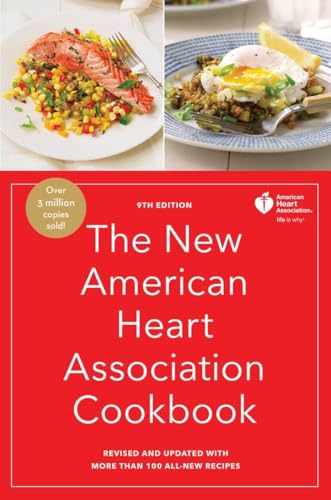
The New American Heart Association Cookbook, 9th Edition: Revised and Updated with More Than 100 All-New Recipes: American Heart Association
The New American Heart Association Cookbook, 9th Edition: <strong>Revised and Updated with More Than 100 All-New Recipes</strong> [American Heart Association] on Amazon.com. *FREE* shipping on qualify

Nordic Naturals Ultimate Omega, Lemon Flavor - 180 Soft Gels - 1280 mg Omega-3 - High-Potency Fish Oil with EPA & DHA - Promotes Brain & Heart Health - Non-GMO - 90 Servings
Buy Nordic Naturals Ultimate Omega, Lemon Flavor - 180 Soft Gels - 1280 mg Omega-3 - High-Potency Fish Oil with EPA & DHA - Promotes Brain & Heart Health - Non-GMO - 90 Servings on Amazon.com

NOW Foods Supplements, Psyllium Husk Powder, Non-GMO Project Verified, Soluble Fiber, 24-Ounce
Soluble fiber from foods such as psyllium seed husks, as part of a diet low in saturated fat and cholesterol, may reduce the risk of heart disease. A serving of psyllium husk powder supplies 6 grams o
Evidence & Sources
Supported by multiple clinical trials and systematic reviews
- American Heart Association
- National Heart, Lung, and Blood Institute (NHLBI)
- Dietary Guidelines for Americans
- New England Journal of Medicine
- Circulation
- Journal of the American College of Cardiology
- World Health Organization
- National Center for Complementary and Integrative Health (NCCIH)
This content is for informational purposes only and does not constitute medical advice. Always consult a qualified healthcare provider before starting, stopping, or changing any supplement or medication regimen.