

Blue Zones Diet
Also known as: Blue Zones eating, Longevity diet, Blue zone diet
Overview
The Blue Zones Diet refers to a pattern of eating and living inspired by populations in several regions of the world associated with exceptional longevity and relatively high numbers of people living into older age with lower rates of chronic disease. These regions—popularly identified as Okinawa (Japan), Sardinia (Italy), Ikaria (Greece), Nicoya (Costa Rica), and Loma Linda (California, USA)—have been studied for shared lifestyle characteristics, including food choices, meal patterns, social connection, physical activity, and stress-buffering cultural practices. The diet itself is not a single formal clinical diet, but rather a food pattern model emphasizing plant-predominant eating.
Across Blue Zones descriptions, common dietary themes include beans and legumes, vegetables, fruits, whole grains, nuts, modest portions, limited ultra-processed foods, and relatively low intake of meat, especially red and processed meat. In some regions, olive oil, corn, sweet potatoes, sourdough or whole-grain breads, and fermented foods also play important roles. Another frequently cited principle is moderation, including eating until comfortably satisfied rather than full, as well as social and cultural rituals around meals. These populations are also often characterized by strong family structures, routine movement, and lower smoking rates, making the overall lifestyle context central to interpretation.
Interest in the Blue Zones Diet is driven by the search for healthy aging, metabolic health, cardiovascular protection, and lifestyle-based approaches to lowering chronic disease risk. From a public health perspective, many Blue Zones dietary elements align closely with established recommendations for chronic disease prevention: high fiber intake, low dietary refinement, and a strong emphasis on minimally processed plant foods. Research on dietary patterns similar to the Blue Zones model suggests associations with lower rates of cardiovascular disease, type 2 diabetes, obesity, and all-cause mortality, although much of the evidence comes from observational nutrition science rather than randomized trials of a single "Blue Zones Diet" protocol.
It is also important to recognize the term as a popularized synthesis rather than a precise scientific diagnosis or universally defined diet. Researchers have raised methodological questions about longevity hotspot claims, record accuracy in some regions, and the difficulty of separating diet from broader social, environmental, and genetic influences. Even so, the Blue Zones concept has helped spotlight a consistent and clinically relevant idea: dietary patterns centered on whole, plant-forward foods within supportive lifestyles are repeatedly associated with better long-term health outcomes.
Medical Perspectives
Two Ways of Seeing Health

Western
scientific · clinical
Western medicine applies science, technology, and clinical experience to treat symptoms through testing, diagnosis, and targeted intervention.

Eastern
traditional · alternative
Eastern medicine focuses on treating the body naturally by applying traditional knowledge practiced for thousands of years, emphasizing balance and whole-person wellness.
Gold Bamboo presents both perspectives side-by-side so you can make informed decisions. We don't advocate for one over the other — your health choices are yours.
Western Medicine Perspective
Western Medicine Perspective
From a conventional medicine standpoint, the Blue Zones Diet is best understood as a plant-forward dietary pattern that overlaps with several well-studied eating models, including the Mediterranean diet, traditional Japanese dietary patterns, and other whole-food dietary frameworks. Western nutrition science generally evaluates such diets by their effects on measurable outcomes such as blood pressure, lipid profiles, glycemic control, inflammatory markers, body weight, and long-term disease incidence. The strongest support comes not from trials of the branded Blue Zones concept itself, but from broader research on dietary patterns rich in legumes, vegetables, fruits, whole grains, and unsaturated fats.
Studies indicate that diets sharing these characteristics are associated with lower cardiovascular risk, improved metabolic health, and reduced mortality. Legumes contribute fiber, plant protein, minerals, and a favorable effect on satiety and cholesterol metabolism. High intake of vegetables and fruits is linked with greater intake of polyphenols, potassium, and antioxidants, while lower reliance on ultra-processed foods tends to reduce excess sodium, refined carbohydrates, and industrial additives. Conventional medicine also recognizes that modest caloric intake and weight stability may contribute to healthy aging, though calorie restriction in humans remains an area of active investigation rather than settled guidance.
At the same time, western medicine notes important limitations. The Blue Zones framework is not a standardized medical treatment, and claims about longevity in specific populations can be affected by confounding variables such as healthcare access, physical activity, social cohesion, alcohol patterns, sleep, and survivorship bias. In addition, not every version of a plant-predominant diet is automatically nutritionally complete; depending on food selection, considerations may include adequate intake of vitamin B12, iron, omega-3 fatty acids, calcium, vitamin D, iodine, and protein, especially in older adults. For this reason, conventional clinicians generally interpret the Blue Zones Diet as a potentially health-supportive pattern within individualized nutritional assessment rather than a one-size-fits-all formula.
In practice, the western view is that the Blue Zones Diet is plausible, largely consistent with preventive cardiometabolic nutrition, and supported indirectly by a substantial body of epidemiologic and clinical research on similar diets. However, the evidence for the exact Blue Zones branding remains more inference-based than protocol-specific.
Eastern & Traditional Perspective
Eastern/Traditional Medicine Perspective
From an eastern and traditional medicine perspective, the Blue Zones Diet is often seen less as a set of nutrient targets and more as a reflection of harmony, moderation, seasonality, and relationship to food. Traditional systems such as Traditional Chinese Medicine (TCM), Ayurveda, and many folk or ancestral food traditions often place major importance on eating patterns that support digestion, conserve vitality over the lifespan, and align the individual with climate, age, and constitution. In this sense, the Blue Zones model resonates with long-standing traditional principles: regular meals, simple ingredients, reliance on locally available plant foods, and avoidance of excess.
In TCM, longevity is often discussed in relation to preserving Qi, Blood, and Jing, with digestive strength—frequently associated with the Spleen and Stomach systems—considered foundational to overall health. Meals based on beans, grains, vegetables, broths, cooked greens, and modest portions may be viewed as supportive when matched appropriately to the person and season. Traditional Chinese dietary therapy also emphasizes that rawness, cold foods, excess richness, or overeating may weaken digestion in some individuals, so the preparation method and energetic nature of foods matter as much as the ingredient list. Thus, a Blue Zones-style diet may be interpreted as beneficial when it is balanced, digestible, and adapted, rather than followed rigidly.
In Ayurveda, healthy aging relates to maintaining balance among the doshas, protecting agni (digestive fire), and reducing accumulation of ama (poorly processed metabolic residue). A whole-food pattern centered on legumes, vegetables, grains, herbs, and mindful eating may align with Ayurvedic ideas of sattvic or steadying nourishment, especially when meals are freshly prepared and eaten in a calm environment. However, Ayurveda also stresses constitution-specific variation: foods that are grounding for one person may be overly drying, cooling, or heavy for another. This differs from modern universal diet messaging and highlights the traditional emphasis on individualization.
Naturopathic and other holistic traditions similarly tend to interpret the Blue Zones Diet as part of a broader lifestyle matrix that includes purpose, movement, community, rest, and stress regulation. In these systems, the value of the pattern lies not only in what is eaten, but in how food is grown, prepared, shared, and digested. While these perspectives draw heavily on tradition and clinical philosophy rather than modern randomized trial evidence, they broadly converge with the Blue Zones theme that longevity is supported by consistent, modest, whole-food living rather than extremes.
Supplements & Products
Recommended Products

The Blue Zones Kitchen: 100 Recipes to Live to 100
DAN BUETTNER is the <strong>founder of Blue Zones</strong>, an organization that helps Americans live longer, healthier lives. His groundbreaking work on longevity led to his 2005 National Geographic

Instant Pot Duo 7-in-1 Electric Pressure Cooker, Slow Cooker, Rice, Steamer, Sauté, Yogurt Maker, Warmer & Sterilizer, Includes App With Over 800 Recipes, Stainless Steel, 6 Quart
<strong>Instant Pot 6QT RIO 7-in-1 Multi-Cooker, Pressure Cooker, Slow cook, Sauté, Steam, Rice Maker, Yogurt, & Warmer, Black, 6 Quarts</strong> · Instant Pot, 8-Quart Whisper Quiet 9-in-1 Electr
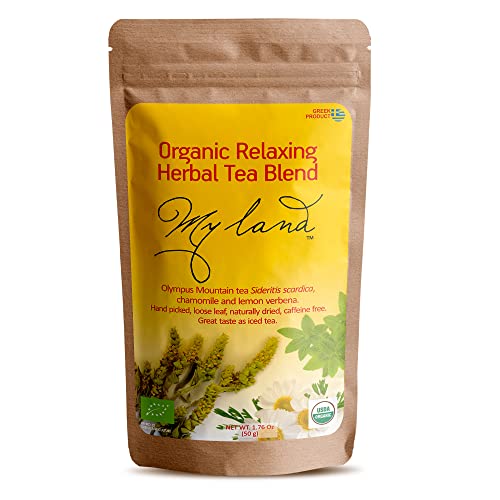
My Land Organic Greek Mountain Tea (Sideritis Scardica) – Loose Leaf Ironwort Handpicked on Mount Olympus, Greece, 1.76oz (50g) | Organic Caffeine-Free Herbal Tea with Floral & Earthy Notes : Everything Else
Product <strong>contains at least 95% organic material</strong>. ... Where clouds meet stone and wild herbs cling to the light, grows the legendary Greek Mountain Tea (Sideritis) a plant cherished sin
Evidence & Sources
Promising research with growing clinical support from multiple studies
- NCCIH (National Center for Complementary and Integrative Health)
- World Health Organization (WHO)
- New England Journal of Medicine
- JAMA Internal Medicine
- The Lancet Public Health
- Circulation
- BMJ
- American Journal of Clinical Nutrition
- Advances in Nutrition
- National Institute on Aging
This content is for informational purposes only and does not constitute medical advice. Always consult a qualified healthcare provider before starting, stopping, or changing any supplement or medication regimen.