

Anti-Inflammatory Diet
Also known as: Inflammation Diet, AI Diet
Overview
An anti-inflammatory diet refers to an overall eating pattern centered on foods associated with lower levels of chronic, low-grade inflammation in the body. Inflammation is a normal immune response involved in healing and defense against infection, but when it becomes persistent it has been linked with a wide range of long-term conditions, including cardiovascular disease, type 2 diabetes, obesity, metabolic syndrome, autoimmune disorders, some gastrointestinal conditions, and certain neurodegenerative and mood-related disorders. For this reason, dietary patterns that may help modulate inflammatory pathways have received substantial attention in both clinical research and traditional healing systems.
Rather than being a single standardized diet, the anti-inflammatory approach generally emphasizes vegetables, fruits, legumes, whole grains, nuts, seeds, olive oil, herbs, spices, and fish or other sources of unsaturated fats, while limiting dietary patterns associated in research with higher inflammatory burden, such as those high in ultra-processed foods, refined carbohydrates, trans fats, excess added sugars, and certain processed meats. These principles overlap strongly with the Mediterranean diet and other whole-food dietary models. Researchers often assess inflammatory potential using biomarkers such as C-reactive protein (CRP), interleukins, tumor necrosis factor-alpha, and composite measures like the Dietary Inflammatory Index.
Interest in anti-inflammatory eating is significant because it connects nutrition with whole-body health, not just calorie intake or weight management. Studies suggest that dietary patterns rich in fiber, polyphenols, omega-3 fatty acids, and minimally processed plant foods may support the gut microbiome, insulin sensitivity, vascular health, and immune regulation. At the same time, inflammation is influenced by many factors beyond food, including sleep, stress, physical activity, smoking, environmental exposures, and underlying medical conditions, so diet is typically understood as one component of a broader lifestyle and clinical picture.
Importantly, the anti-inflammatory diet is best viewed as a pattern-based concept rather than a rigid protocol. Different individuals and medical traditions may define inflammatory or balancing foods differently, and not all claims made in popular wellness media are equally supported by evidence. Conventional medicine generally places the strongest emphasis on well-studied dietary patterns and measurable biomarkers, while traditional systems often frame food in terms of balance, digestion, constitution, and the body's internal environment. Anyone considering major dietary changes, especially in the setting of chronic illness, pregnancy, eating disorders, food allergies, or medication use, may benefit from discussing them with a qualified healthcare professional.
Medical Perspectives
Two Ways of Seeing Health

Western
scientific · clinical
Western medicine applies science, technology, and clinical experience to treat symptoms through testing, diagnosis, and targeted intervention.

Eastern
traditional · alternative
Eastern medicine focuses on treating the body naturally by applying traditional knowledge practiced for thousands of years, emphasizing balance and whole-person wellness.
Gold Bamboo presents both perspectives side-by-side so you can make informed decisions. We don't advocate for one over the other — your health choices are yours.
Western Medicine Perspective
Western Medicine Perspective
In conventional medicine, an anti-inflammatory diet is understood primarily through nutritional epidemiology, clinical trials, and mechanistic research on how food influences immune signaling, oxidative stress, endothelial function, adipose tissue biology, and the gut microbiome. The strongest evidence does not usually focus on a single “anti-inflammatory food,” but rather on dietary patterns. Among these, the Mediterranean-style diet has been the most consistently associated with lower inflammatory markers and reduced risk of cardiovascular and metabolic disease. Research also suggests that diets high in fiber and plant diversity may positively influence microbial metabolites such as short-chain fatty acids, which are involved in immune and intestinal regulation.
Conventional research commonly links anti-inflammatory eating with higher intake of monounsaturated and polyunsaturated fats, especially omega-3 fatty acids; greater consumption of fruits, vegetables, legumes, whole grains, and nuts; and lower intake of ultra-processed foods and sugar-sweetened products. Clinical studies indicate that some people following these patterns experience improvements in markers such as CRP, insulin resistance, lipid profiles, and body weight, although results vary by population and study design. In conditions such as rheumatoid arthritis, inflammatory bowel disease, psoriasis, and cardiometabolic disease, diet is generally viewed as a potentially supportive factor rather than a standalone treatment.
Western medicine also emphasizes caution about oversimplification. Inflammation is biologically complex, and not every symptom attributed to “inflammation” reflects measurable inflammatory disease. In addition, individual foods often receive exaggerated claims unsupported by high-quality human evidence. As a result, conventional care generally frames the anti-inflammatory diet as a health-promoting eating pattern with plausible and partly demonstrated benefits, while recognizing that it does not replace diagnosis, medication, or other medical management where needed.
Eastern & Traditional Perspective
Eastern/Traditional Medicine Perspective
In Traditional Chinese Medicine (TCM), the concept of inflammation is not always mapped directly to a single biomedical category. Instead, symptoms commonly associated with inflammatory states may be interpreted through patterns such as Heat, Damp-Heat, Toxic Heat, Blood stasis, or deficiency-related imbalance. From this perspective, food is valued not only for nutrients but for its energetic qualities, flavor, temperature, and effect on organ systems. A dietary approach aimed at reducing inflammatory tendencies may therefore emphasize foods traditionally considered to clear heat, support fluid balance, nourish yin, and strengthen digestion, while reducing foods thought to generate internal heat or dampness, such as excessive alcohol, greasy foods, or overly rich and heavily processed meals.
In Ayurveda, inflammatory tendencies may be discussed in relation to agni (digestive fire), ama (metabolic residue or toxic buildup), and imbalance in the doshas, particularly excess pitta in some presentations. Foods are evaluated according to their effect on digestion, constitution, season, and overall balance. Cooling, bitter, astringent, and lightly prepared whole foods are traditionally used in certain inflammatory patterns, while overly spicy, fried, fermented, or heavy foods may be viewed as aggravating for some individuals. Ayurveda also places strong emphasis on digestion, meal timing, food combinations, and individualized constitution, which differs from the more standardized frameworks often used in Western nutrition research.
Other traditional and integrative systems, including naturopathy and food-as-medicine approaches, similarly emphasize a whole-food, minimally processed dietary pattern, often paired with attention to stress regulation, sleep, digestive function, and environmental burden. While many of these principles overlap with modern anti-inflammatory dietary models, the evidence base varies. Some traditional uses are supported by emerging research on spices, polyphenol-rich plants, and dietary patterns, while other concepts remain grounded primarily in long-standing historical practice rather than contemporary clinical trials. As with conventional care, traditional dietary frameworks are best interpreted in the context of individual health status and with guidance from qualified practitioners.
Supplements & Products
Recommended Products
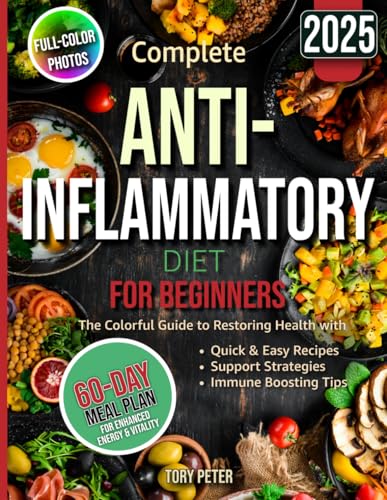
The Complete Anti-Inflammatory Diet for Beginners: A No-Stress Meal Plan with Easy Recipes to Heal the Immune System: Calimeris, Dorothy, Cook RDN, Lulu, Lang MD, Jennifer
The Complete Anti-Inflammatory Diet for Beginners: <strong>A No-Stress Meal Plan with Easy Recipes to Heal the Immune System</strong> [Calimeris, Dorothy, Cook RDN, Lulu, Lang MD, Jennifer] on Amazon.

Nordic Naturals Ultimate Omega, Lemon Flavor - 90 Soft Gels - 1280 mg Omega-3 - High-Potency Omega-3 Fish Oil Supplement with EPA & DHA - Promotes Brain & Heart Health - Non-GMO - 45 Servings
Buy Nordic Naturals Ultimate Omega, Lemon Flavor - 90 Soft Gels - 1280 mg Omega-3 - High-Potency Omega-3 Fish Oil Supplement with EPA & DHA - Promotes Brain & Heart Health - Non-GMO - 45 Servi
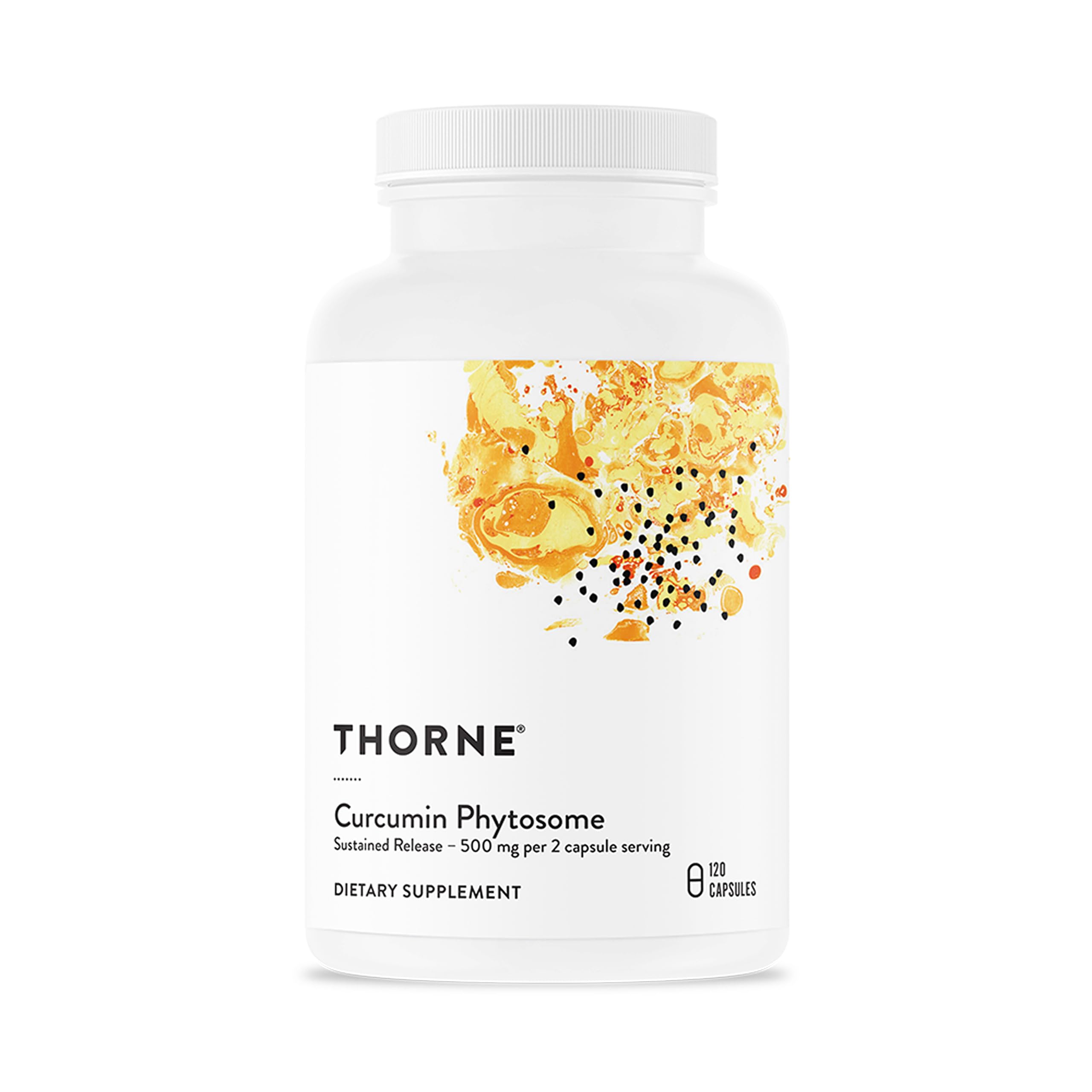
THORNE - Curcumin Phytosome 500 mg (Meriva) - Sustained Release, Clinically Studied - Supports Healthy Inflammatory Response in Joints, Muscles, GI Tract, Liver, Brain & Nerves* - 60 Servings
Buy THORNE - Curcumin Phytosome 500 mg (Meriva) - Sustained Release, Clinically Studied - <strong>Supports Healthy Inflammatory Response in Joints, Muscles, GI Tract, Liver, Brain & Nerves</strong
Evidence & Sources
Promising research with growing clinical support from multiple studies
- Harvard T.H. Chan School of Public Health
- National Center for Complementary and Integrative Health (NCCIH)
- World Health Organization (WHO)
- The BMJ
- JAMA
- The New England Journal of Medicine
- Nutrients
- Nature Reviews Immunology
- American Heart Association
- Arthritis Foundation
This content is for informational purposes only and does not constitute medical advice. Always consult a qualified healthcare provider before starting, stopping, or changing any supplement or medication regimen.