

Anti-Candida Diet
Also known as: Candida-Free Diet, Yeast Reduction Diet
Overview
The anti-Candida diet is a dietary pattern centered on reducing added sugars, refined carbohydrates, alcohol, and certain fermented or yeast-containing foods with the goal of limiting the growth of Candida species, especially Candida albicans. Candida is a genus of yeast that normally lives on the skin, in the mouth, in the gastrointestinal tract, and in the vagina as part of the body’s microbial ecosystem. In conventional medicine, problems arise when this organism overgrows in specific settings, leading to recognized conditions such as oral thrush, vaginal yeast infections, diaper rash, and invasive candidiasis in medically vulnerable patients. The anti-Candida diet, however, is most often discussed in the broader wellness space as a way to address a proposed state of systemic or intestinal “yeast overgrowth.”
This topic remains controversial. Candida infections are real and well-described in medicine, but the idea that many chronic, nonspecific symptoms are routinely caused by intestinal Candida overgrowth in otherwise healthy people has limited high-quality clinical evidence. Advocates of anti-Candida diets often associate yeast overgrowth with symptoms such as bloating, fatigue, brain fog, sinus issues, skin irritation, or sugar cravings. Research does not clearly establish that eliminating sugar or carbohydrates alone can treat these symptoms by reducing Candida in the body, although diet can influence the gut microbiome, blood sugar regulation, inflammatory signaling, and overall digestive function.
In practice, anti-Candida diets vary widely. Some versions remove table sugar, sweeteners, white flour, alcohol, high-glycemic foods, fruit, dairy, gluten, mushrooms, vinegar, and aged foods; others are more moderate and emphasize whole foods, non-starchy vegetables, protein, legumes, and low-sugar fruits. Because these diets can become restrictive, questions often arise around nutritional adequacy, sustainability, and whether symptom improvement is due to Candida reduction specifically or to broader dietary changes, such as reduced ultra-processed food intake.
From a health-content perspective, the anti-Candida diet is best understood as a popular but not definitively validated dietary strategy that overlaps with elimination diets, low-sugar approaches, and microbiome-focused nutrition. It may be discussed in relation to recurrent yeast infections, digestive complaints, or integrative care plans, but persistent or severe symptoms warrant proper medical evaluation because confirmed Candida infections, metabolic disorders, gastrointestinal disease, and other conditions require distinct diagnosis and management.
Medical Perspectives
Two Ways of Seeing Health

Western
scientific · clinical
Western medicine applies science, technology, and clinical experience to treat symptoms through testing, diagnosis, and targeted intervention.

Eastern
traditional · alternative
Eastern medicine focuses on treating the body naturally by applying traditional knowledge practiced for thousands of years, emphasizing balance and whole-person wellness.
Gold Bamboo presents both perspectives side-by-side so you can make informed decisions. We don't advocate for one over the other — your health choices are yours.
Western Medicine Perspective
Western Medicine Perspective
In conventional medicine, Candida-related illness is defined by site-specific infection or colonization, not by a broad syndrome alone. Common examples include vulvovaginal candidiasis, oropharyngeal candidiasis (thrush), cutaneous candidiasis, and invasive candidiasis in hospitalized or immunocompromised individuals. Established risk factors include recent antibiotic use, diabetes, pregnancy, immunosuppression, corticosteroid exposure, dentures, hospitalization, and indwelling medical devices. Diagnosis generally depends on clinical examination and, when appropriate, microscopy, culture, or other laboratory methods rather than symptom lists alone.
From this perspective, the claim that dietary sugar “feeds yeast” in a direct and clinically meaningful way throughout the body is often oversimplified. Laboratory research shows that Candida can use carbohydrates as an energy source, and studies of the microbiome suggest diet can affect microbial balance. However, human clinical evidence supporting anti-Candida diets as a primary treatment for systemic symptoms remains limited. For vaginal yeast infections, some small or older studies have explored dietary factors, but major guidelines do not recognize the anti-Candida diet as a standard therapy. Similarly, for intestinal symptoms, the scientific literature does not firmly support Candida overgrowth as a common cause of chronic unexplained complaints in otherwise healthy adults.
That said, western clinicians may acknowledge that dietary changes associated with anti-Candida programs can still matter in indirect but meaningful ways. Reducing excess sugar and ultra-processed foods may improve glycemic control, which is relevant because poorly controlled diabetes is associated with greater susceptibility to Candida infections. A more nutrient-dense eating pattern may also affect gastrointestinal comfort, body weight, and metabolic health, which can influence how a person feels overall even if Candida is not the main driver. In this sense, symptom changes during an anti-Candida diet may reflect broader nutritional effects rather than a direct antifungal mechanism.
Conventional medicine generally emphasizes that recurrent or severe suspected yeast problems merit evaluation for underlying causes such as diabetes, immunodeficiency, medication effects, or other gynecologic, dermatologic, or gastrointestinal conditions. This is especially important because self-diagnosed “Candida overgrowth” can overlap with disorders such as irritable bowel syndrome, inflammatory bowel disease, food intolerance, bacterial vaginosis, eczema, or chronic sinus disease.
Eastern & Traditional Perspective
Eastern / Traditional Medicine Perspective
In Traditional Chinese Medicine (TCM), symptoms often attributed in popular culture to “Candida” are not usually framed around a yeast organism alone. Instead, they may be interpreted through patterns such as Dampness, Damp-Heat, Spleen Qi deficiency, or Heat toxin, depending on the presentation. Digestive bloating, loose stools, heaviness, vaginal discharge, itching, a coated tongue, or recurrent mucosal irritation might be viewed as signs of an internal environment of excess damp accumulation and weakened transformation of սնtexts. Within this framework, food choices high in sugar, alcohol, greasy foods, or excessive refined starch are traditionally thought to contribute to dampness and heat.
Accordingly, an eating pattern resembling an anti-Candida diet may overlap with TCM dietary principles that emphasize lighter meals, reduced sweets and alcohol, cooked vegetables, bitter or aromatic foods, and support for digestive function. The goal in TCM is not usually described as “starving yeast,” but rather as restoring internal balance, improving fluid metabolism, and reducing conditions believed to foster recurrent irritation or discharge. TCM treatment discussions may also include herbal medicine and acupuncture, though the clinical evidence base for Candida-specific outcomes varies and is generally less robust than for standard antifungal therapy.
In Ayurveda, similar symptoms may be discussed in terms of ama (metabolic waste or toxic residue), imbalances in Kapha and Pitta, weakened agni (digestive fire), and disturbances in the gut environment. Diets that are heavy, overly sweet, fermented, or difficult to digest are traditionally considered capable of aggravating these patterns. As a result, practitioners may describe benefit from simpler, less sugary, less processed eating patterns that support digestion and reduce excess moisture or heat in the body.
In naturopathic and integrative medicine, the anti-Candida diet is often treated as part of a broader strategy involving the gut microbiome, mucosal health, immune balance, and reduction of refined foods. This perspective tends to place more emphasis on the cumulative effects of antibiotics, stress, sleep disruption, and diet quality. While many of these ideas align with general wellness principles, the specific claim that restrictive anti-Candida diets reliably reverse systemic Candida-related syndromes remains an area of mixed evidence and ongoing debate.
Supplements & Products
Recommended Products

The Candida Cure Cookbook: Delicious Recipes to Reset Your Health and Restore Your Vitality: Boroch, Ann
The Candida Cure Cookbook is <strong>filled with the recipes, resources, and tips you need to take control of one of the most important yet overlooked obstacles to optimal health: candida, or yeast, o
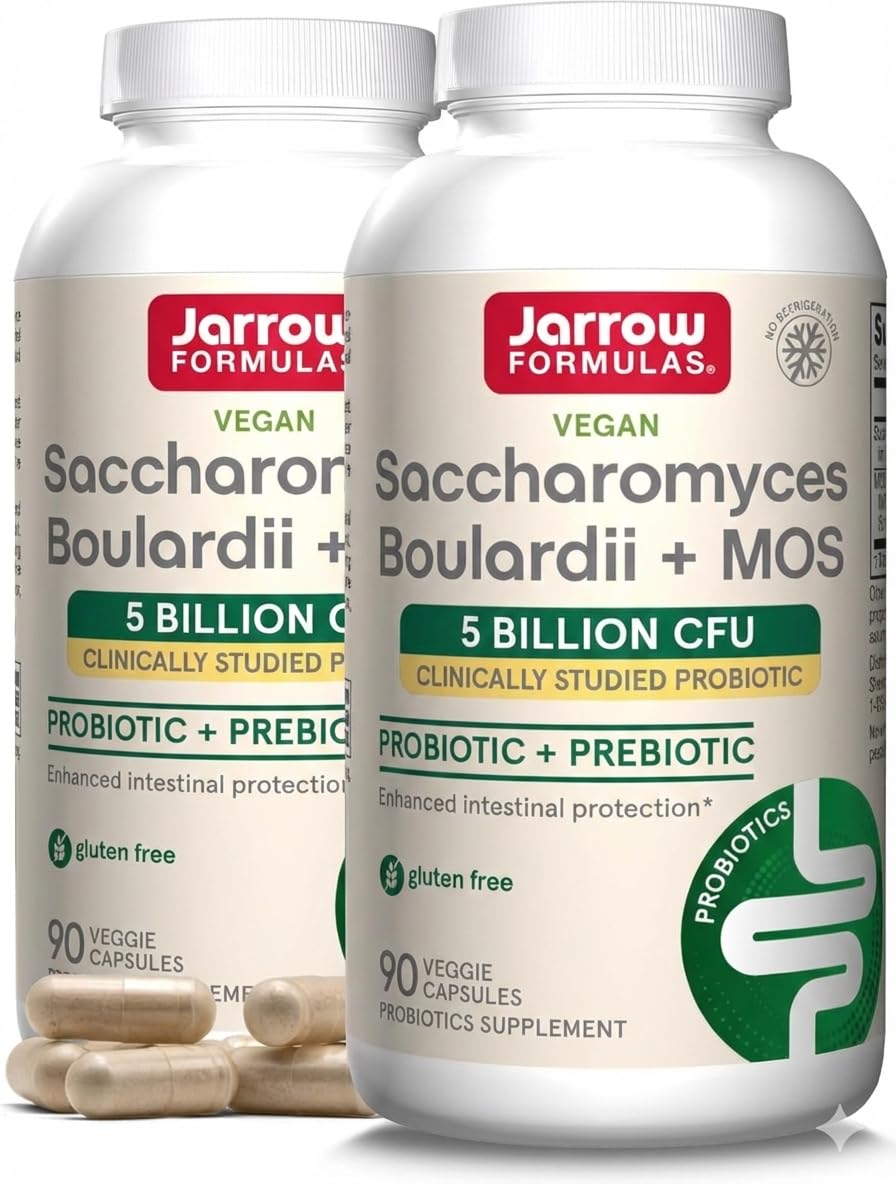
Jarrow Formulas Saccharomyces Boulardii + MOS Probiotics for Digestive Health and Intestinal Tract Support - 5 Billion CFU Per Serving - 90 Delayed Release Caps - Probiotic + Prebiotic - 90 Servings
<strong>Each capsule delivers 5 billion CFU of Saccharomyces boulardii, a probiotic yeast shown to help support gut health and the intestinal tract</strong>.(1) This supplement also provides MOS (mann
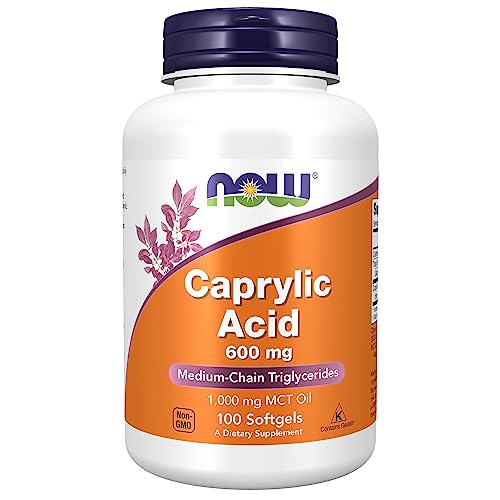
NOW Foods Supplements, Caprylic Acid 600 mg, MCT (Medium-Chain Triglycerides), 100 Softgels : Everything Else
Supplement FactsServing Size:1 SoftgelServings Per Container:100DescriptionAmount per Serving% Daily ValueCalories 10 Total Fat 1 g 1%* Saturated Fat 1 g 5%* Caprylic Acid[from 1 g of MCT Oil (Medium-
Evidence & Sources
Early-stage research, mostly preclinical or preliminary human studies
- Centers for Disease Control and Prevention (CDC) — Candidiasis
- Infectious Diseases Society of America (IDSA) Clinical Practice Guideline for the Management of Candidiasis
- National Center for Complementary and Integrative Health (NCCIH)
- World Health Organization (WHO) fungal priority pathogens resources
- Clinical Microbiology Reviews
- The Lancet Infectious Diseases
- Nature Reviews Gastroenterology & Hepatology
- Journal of Fungi
This content is for informational purposes only and does not constitute medical advice. Always consult a qualified healthcare provider before starting, stopping, or changing any supplement or medication regimen.