

Animal-Based Diet
Also known as: Animal based eating, Meat-based diet, AB diet
Overview
The animal-based diet is an eating pattern centered primarily on foods from animals—such as meat, fish, eggs, and dairy—while often allowing a narrower range of plant foods than standard omnivorous diets. In popular use, it is commonly described as a less restrictive alternative to a carnivore diet, because it may include foods such as fruit, honey, certain root vegetables, or other selectively tolerated plant foods. Interest in this pattern has grown in online health communities, where it is frequently discussed in relation to energy, body composition, digestive symptoms, blood sugar stability, and hormonal health.
From a nutrition standpoint, animal-based diets are typically high in protein and bioavailable micronutrients such as vitamin B12, heme iron, zinc, creatine, choline, and complete amino acids. Depending on food choices, they may also provide substantial amounts of saturated fat, cholesterol, sodium, and total fat, while being relatively low in dietary fiber, certain phytonutrients, and a wider diversity of plant-derived compounds. Because the term is not standardized in clinical nutrition, actual intake patterns can vary significantly—from meat-heavy low-carbohydrate plans to diets that still include meaningful amounts of fruit and dairy.
Supporters often describe the diet as simpler and easier to digest than higher-fiber or highly processed eating patterns, particularly when gastrointestinal symptoms appear to worsen with certain plant foods. At the same time, concerns are often raised about long-term cardiovascular risk, gut microbiome diversity, adequacy of certain nutrients, sustainability, and individual tolerance. Current research does not treat “animal-based diet” as a single, formally defined therapeutic diet, so evidence is generally inferred from studies on low-carbohydrate diets, ketogenic diets, elimination-style diets, high-protein diets, and dietary patterns rich in animal-source foods rather than from large long-term trials on this exact approach.
As with many dietary frameworks, health effects likely depend on overall diet quality, food sourcing, metabolic status, medical history, and what foods are displaced. An animal-based diet built around minimally processed foods may differ substantially from one high in processed meats or low in nutrient diversity. People with kidney disease, lipid disorders, gout, digestive disease, pregnancy-related nutritional needs, or a history of disordered eating may require individualized assessment, and interpretation of this diet is best made in consultation with qualified healthcare professionals.
Medical Perspectives
Two Ways of Seeing Health

Western
scientific · clinical
Western medicine applies science, technology, and clinical experience to treat symptoms through testing, diagnosis, and targeted intervention.

Eastern
traditional · alternative
Eastern medicine focuses on treating the body naturally by applying traditional knowledge practiced for thousands of years, emphasizing balance and whole-person wellness.
Gold Bamboo presents both perspectives side-by-side so you can make informed decisions. We don't advocate for one over the other — your health choices are yours.
Western Medicine Perspective
Western / Conventional Medicine Perspective
In conventional medicine, the animal-based diet is usually evaluated through the lens of macronutrient distribution, cardiometabolic markers, digestive effects, and long-term disease risk. Researchers would typically not classify it as a formally established medical diet, but aspects of it overlap with low-carbohydrate, ketogenic, paleo-style, or elimination diets. Some studies suggest that lower-carbohydrate, higher-protein patterns can improve short-term satiety, weight loss, triglycerides, and glycemic control in certain populations, especially when they reduce ultra-processed foods and refined carbohydrates. Higher intake of animal-source protein can also support muscle maintenance, iron status, and intake of highly bioavailable nutrients.
However, conventional concerns focus on what may be limited or elevated in this pattern. A diet emphasizing animal foods while restricting many plants may provide less fiber, which is associated in the broader literature with bowel regularity, microbiome diversity, and lower risk of cardiovascular and metabolic disease. Depending on food selection, saturated fat intake may be high, and some individuals experience elevations in LDL cholesterol or ApoB, markers commonly used in cardiovascular risk assessment. Intake of processed meats is generally viewed less favorably than unprocessed animal foods due to associations with colorectal cancer and cardiometabolic disease in observational research. In addition, very limited plant diversity may reduce intake of folate, vitamin C, potassium, magnesium, and polyphenols, though actual adequacy depends on the specific foods included.
Digestive claims are interpreted cautiously in mainstream practice. Some individuals with irritable bowel syndrome, food intolerances, or inflammatory bowel symptoms report symptomatic improvement when they remove poorly tolerated plant foods, especially fermentable carbohydrates. Yet improvement may reflect a reduction in specific triggers rather than a universal benefit of animal-heavy eating itself. Conventional clinicians generally look for whether symptom relief can be balanced with long-term nutritional adequacy and whether restrictive eating patterns may mask other underlying conditions requiring evaluation.
Overall, the western evidence base for a broadly defined animal-based diet is limited and indirect. Research supports some potential benefits of higher-protein and lower-refined-carbohydrate eating patterns, but evidence is less clear regarding the long-term health impact of diets centered predominantly on animal foods with limited plant variety. Monitoring of lipids, kidney function where relevant, micronutrient adequacy, digestive tolerance, and overall dietary quality is often considered important when this pattern is being evaluated clinically.
Eastern & Traditional Perspective
Eastern / Traditional Medicine Perspective
In Traditional Chinese Medicine (TCM), diet is understood less by macronutrient ratios and more by a food’s energetic nature, flavor, organ affinity, and effect on balance within the body. Animal foods are often regarded as nourishing, building, and restorative, particularly for patterns associated with Qi deficiency, Blood deficiency, or Yang deficiency, where fatigue, weakness, coldness, and depletion are emphasized. Bone broths, slow-cooked meats, eggs, and organ meats may traditionally be viewed as strengthening and supportive during recovery or low-vitality states. From this perspective, an animal-based pattern may appeal to people who feel depleted or weakened by excessive intake of cold, raw, or difficult-to-digest foods.
At the same time, TCM would not generally frame health around eating large amounts of one food category in isolation. Excessive intake of rich, greasy, or heating animal foods may be seen as contributing to Dampness, Phlegm, Heat, or stagnation, especially in people with symptoms such as heaviness, irritability, constipation, inflammatory tendencies, or digestive sluggishness. Fruit and honey, which are sometimes included in animal-based plans, may be viewed as moistening or cooling in some contexts, but in excess they may also be considered disruptive for certain digestive patterns. Thus, the traditional approach is usually individualized, seasonal, and constitution-based, rather than universally endorsing a high-animal-food approach.
In Ayurveda, animal foods are often considered deeply nourishing and can be relevant where there is depletion, tissue weakness, low strength, or high Vata. Broths, dairy, ghee, and certain meats may traditionally be used to build ojas and support recovery in selected constitutions. Yet Ayurveda also emphasizes agni (digestive fire), food combining, preparation methods, and constitution. Heavy, dense foods may be difficult for some people to process, particularly when Kapha or ama (accumulated metabolic residue) is a concern. A very meat-heavy diet might therefore be viewed as supportive in some depleted states and burdensome in others.
In naturopathic and functional traditions, an animal-based diet is sometimes discussed as a temporary way to reduce dietary complexity, remove common irritants, or emphasize nutrient density. Even within these systems, views vary substantially, and many practitioners place importance on digestive resilience, microbial balance, metabolic individuality, and careful reintroduction of tolerated foods. Across traditional systems, the recurring theme is that foods are not inherently good or bad in absolute terms; their effects are understood in relation to the person, pattern, season, and preparation method.
Supplements & Products
Recommended Products
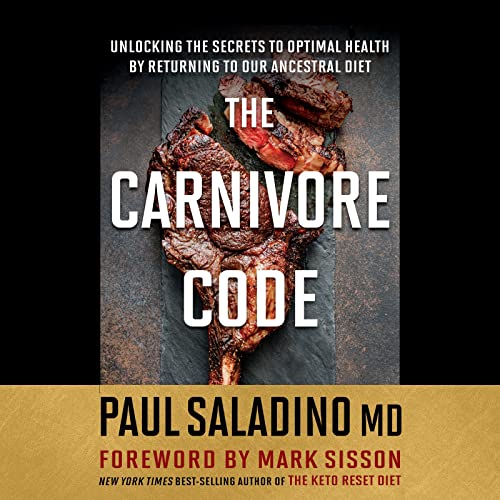
The Carnivore Code: Unlocking the Secrets to Optimal Health by Returning to Our Ancestral Diet: Saladino M.D., Paul
The Carnivore Code: Unlocking the Secrets to Optimal Health by Returning to Our Ancestral Diet [Saladino M.D., Paul] on Amazon.com. *FREE* shipping on qualifying offers. The Carnivore Code: Unlocking

Ancestral Supplements Grass Fed Beef Liver 180 Capsules, Supports Energy Production, Detoxification, Digestion, Immunity and Full Body Wellness, Non-GMO, Freeze Dried Liver Health Supplement
Ancestral Supplements Grass-Fed Beef Liver & Bone Marrow Capsules, 3000mg, <strong>Supports Energy, Digestion, Immunity, Skin, Oral Health, Joint Wellness, Non-GMO, Freeze-Dried, 180 Capsules</str
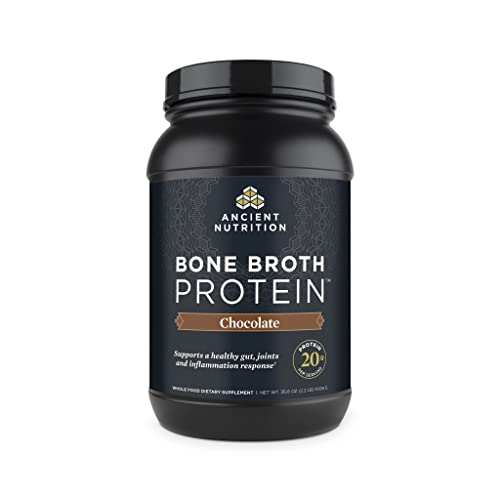
Ancient Nutrition Grass Fed & Cage Free Bone Broth Protein Powder, 20g Protein Per Serving, Hydrolyzed Collagen Peptides, Glucosamine, Chondroitin, Supports Joint & Gut Health, Pure, 20 Servings
Powerful Bone Broth Nutrition: <strong>Delivers 20g of protein per serving with hydrolyzed collagen types I, II & III, glucosamine, chondroitin, hyaluronic acid, and 18 amino acids to support over
Evidence & Sources
Early-stage research, mostly preclinical or preliminary human studies
- National Institutes of Health (NIH)
- National Center for Complementary and Integrative Health (NCCIH)
- American Heart Association
- World Health Organization (WHO)
- The BMJ
- New England Journal of Medicine
- JAMA Network
- The American Journal of Clinical Nutrition
- Nature Reviews Gastroenterology & Hepatology
- International Agency for Research on Cancer (IARC)
This content is for informational purposes only and does not constitute medical advice. Always consult a qualified healthcare provider before starting, stopping, or changing any supplement or medication regimen.