

Ancestral Diet
Also known as: Primal Diet, Heritage Diet
Overview
Ancestral diet is an umbrella term for eating patterns modeled on the presumed foods consumed by early human populations before industrialized food systems. In modern use, it typically emphasizes whole, minimally processed foods such as vegetables, fruits, nuts, seeds, eggs, fish, and meats, while limiting or excluding refined grains, added sugars, industrial seed oils, and highly processed packaged foods. Some versions overlap with paleo-style eating, though the term "ancestral" is often used more broadly to include regional, seasonal, and traditional foodways rather than a single fixed menu.
Interest in ancestral diets has grown alongside concerns about ultra-processed foods, metabolic disease, and the loss of traditional eating patterns. Researchers and public health organizations increasingly examine how dietary patterns rich in whole foods may influence body weight, blood sugar regulation, cardiovascular risk factors, inflammation, and gut health. At the same time, the idea of a single ancestral human diet is scientifically debated, because early human diets varied widely by geography, climate, season, and culture.
A central feature of ancestral-diet thinking is the concept of evolutionary mismatch: the view that human biology may be poorly adapted to modern diets dominated by refined carbohydrates, hyper-palatable processed foods, and low-fiber convenience products. This framework has intuitive appeal and has influenced both academic and popular discussions of nutrition. However, contemporary nutrition science generally evaluates such diets less by historical narrative alone and more by measurable dietary qualities such as food processing level, nutrient density, fiber intake, protein quality, fatty acid composition, and overall dietary pattern.
Potentially beneficial aspects of ancestral-style eating include a higher intake of whole foods, lower intake of added sugars and ultra-processed products, and greater attention to food quality. Potential concerns may include over-restriction, reduced intake of certain nutrients if major food groups are excluded, higher intake of saturated fat in some versions, and difficulty sustaining the pattern socially or economically. As with many named diets, health effects may depend heavily on how the diet is interpreted in practice and on an individual’s health status, culture, and access to food.
Medical Perspectives
Two Ways of Seeing Health

Western
scientific · clinical
Western medicine applies science, technology, and clinical experience to treat symptoms through testing, diagnosis, and targeted intervention.

Eastern
traditional · alternative
Eastern medicine focuses on treating the body naturally by applying traditional knowledge practiced for thousands of years, emphasizing balance and whole-person wellness.
Gold Bamboo presents both perspectives side-by-side so you can make informed decisions. We don't advocate for one over the other — your health choices are yours.
Western Medicine Perspective
Western Medicine Perspective
From a conventional nutrition perspective, ancestral diets are not recognized as a single standardized medical diet, but many of their core features align with well-studied principles of healthy eating: more minimally processed foods, more vegetables and fruits, less added sugar, and less ultra-processed food intake. Studies on paleo-type or ancestral-style diets suggest possible short-term improvements in weight, waist circumference, blood pressure, triglycerides, and glycemic markers in some populations, particularly when these patterns replace highly processed diets. Research on ultra-processed foods also indicates that higher intake is associated with poorer cardiometabolic outcomes, which helps explain some of the interest in whole-food ancestral patterns.
At the same time, conventional medicine notes important limitations. Evidence is mixed regarding long-term superiority over other balanced dietary patterns, and many studies are small, short in duration, or heterogeneous in how the diet is defined. Excluding grains, legumes, or dairy may lower intake of fiber, calcium, vitamin D, and certain B vitamins unless dietary planning is careful. In some implementations, frequent consumption of red meat, animal fat, or coconut products may increase saturated fat exposure, which remains a concern in cardiovascular risk assessment for some individuals. Mainstream clinicians therefore tend to evaluate ancestral diets based on nutrient adequacy, sustainability, and effects on measurable health outcomes rather than on evolutionary claims alone.
Western medicine also emphasizes that diet quality exists on a spectrum. An ancestral-style pattern centered on vegetables, seafood, nuts, olive oil, and unprocessed proteins may look quite different from one centered heavily on processed meat substitutes, butter, or large quantities of red meat. For this reason, conventional guidance often focuses on personalization, cardiometabolic markers, digestive tolerance, and overall dietary balance. People with chronic disease, pregnancy, kidney conditions, eating disorder history, or medically necessary dietary restrictions are generally considered to benefit from individualized review with qualified healthcare professionals.
Eastern & Traditional Perspective
Eastern/Traditional Medicine Perspective
Traditional medical systems generally do not use the modern term ancestral diet in the same way contemporary nutrition culture does, but the concept resonates with long-standing principles of eating in harmony with nature, season, place, and constitution. In Traditional Chinese Medicine (TCM), food is understood not only by nutrients but also by qualities such as temperature, flavor, and energetic effect on digestion and balance. A diet built around fresh, local, minimally processed foods can align with traditional ideas of supporting the Spleen and Stomach through regular, simple meals and reduced reliance on overly sweet, greasy, or heavily processed foods.
In Ayurveda, there is likewise no single prehistoric ideal diet; instead, foods are selected according to dosha balance, digestive strength (agni), season, age, and environment. From this perspective, the attractive feature of ancestral-style eating is less the historical claim and more its emphasis on whole foods, traditional preparation, and reduced industrial processing. However, Ayurveda would also question rigid universal rules. For example, some individuals may tolerate raw foods, high meat intake, or cold foods poorly depending on constitution and digestive capacity, so a highly literal ancestral pattern might not be considered suitable for everyone.
Naturopathic and traditional-food movements often overlap strongly with ancestral-diet philosophy, especially in their emphasis on food quality, fermentation, seasonal eating, bone broths, organ meats, wild or pasture-raised animal foods, and avoidance of refined products. These approaches often frame health in terms of restoring dietary patterns that are closer to long-standing human traditions. Even so, traditional systems usually place substantial value on individualization, food preparation methods, digestive resilience, and local cultural foodways, rather than treating one ancestral template as universally ideal.
Across these eastern and traditional perspectives, a common thread is that food is viewed as part of a broader lifestyle that includes meal rhythm, sleep, stress, movement, and relationship to environment. This broader framing can complement modern discussions of diet quality, while also underscoring that historical or traditional eating patterns are diverse rather than monolithic. Anyone considering major dietary changes, especially those involving significant food group restriction, may benefit from consultation with a qualified healthcare practitioner familiar with both nutritional adequacy and individual health context.
Supplements & Products
Recommended Products

Deep Nutrition: Why Your Genes Need Traditional Food: Shanahan M.D., Catherine
One of the Best Health and Wellness Books of 2017 ― Sports Illustrated Deep Nutrition cuts through today’s culture of conflicting nutritional ideologies, showing how the habits of our ancestors can he
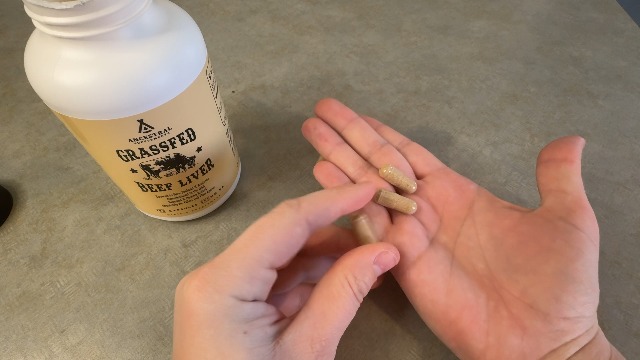
Ancestral Supplements Grass Fed Beef Liver 180 Capsules, Supports Energy Production, Detoxification, Digestion, Immunity and Full Body Wellness, Non-GMO, Freeze Dried Liver Health Supplement
Ancestral Supplements Grass-Fed Beef Liver & Bone Marrow Capsules, 3000mg, <strong>Supports Energy, Digestion, Immunity, Skin, Oral Health, Joint Wellness, Non-GMO, Freeze-Dried, 180 Capsules</str
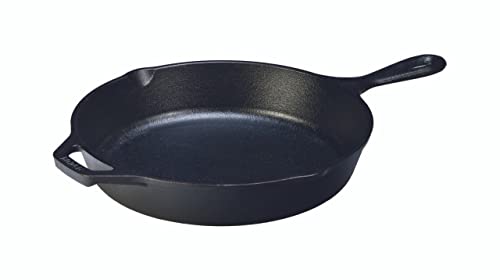
Lodge Seasoned Cast Iron Skillet - PFAS-Free, Non-Toxic Cookware - Use with an Oven, Stove, Grill, or Campfire - Naturally Non-Stick & Oven Safe - 12 Inches: Cast Iron Skillet
Fry up a mess of catfish, roast a chicken, or bake an apple crisp in this generous 12-inch pan that features two handles for heavy lifting, and two subtle side lips for pouring. While <strong>the skil
Evidence & Sources
Promising research with growing clinical support from multiple studies
- Nutrients
- The American Journal of Clinical Nutrition
- European Journal of Clinical Nutrition
- BMJ
- JAMA Network Open
- Nature Reviews Endocrinology
- National Institutes of Health (NIH)
- National Center for Complementary and Integrative Health (NCCIH)
- World Health Organization (WHO)
This content is for informational purposes only and does not constitute medical advice. Always consult a qualified healthcare provider before starting, stopping, or changing any supplement or medication regimen.