

Alternate-Day Fasting
Also known as: ADF, Alternate day fasting, Every other day fasting
Overview
Alternate-day fasting (ADF) is a dietary pattern that cycles between a day of usual eating and a day of either complete fasting or markedly reduced calorie intake. In research settings, the “fasting” day often allows about 25% of energy needs, while modified real-world versions may involve one very low-calorie day alternating with one unrestricted day. People commonly explore ADF for weight management, metabolic health, and as a more structured form of intermittent fasting.
Interest in ADF has grown alongside broader research on time-restricted eating, intermittent energy restriction, and the relationship between meal timing and metabolism. Studies suggest that ADF can reduce total weekly calorie intake for some individuals and may be associated with weight loss, improvements in insulin sensitivity, and changes in cardiovascular risk markers such as triglycerides and blood pressure. However, results vary depending on adherence, baseline health status, and whether fasting days are complete fasts or modified low-calorie days.
From a practical and physiological standpoint, ADF is distinct from continuous daily calorie restriction. Rather than reducing intake every day, it creates repeated periods of lower energy availability that may influence glucose regulation, fat oxidation, appetite hormones, and cellular stress-response pathways. Researchers have also examined whether intermittent fasting patterns may affect autophagy-related mechanisms, though much of the mechanistic evidence comes from animal studies or short-term human research rather than long-term clinical trials.
ADF is not universally appropriate. Conventional and integrative health sources commonly note the need for caution in people who are pregnant or breastfeeding, have a history of eating disorders, take medications that affect blood sugar, or have certain chronic illnesses. Because fasting can alter energy levels, hydration patterns, and medication timing, healthcare oversight is often relevant when people are considering this eating pattern in a clinical context.
Medical Perspectives
Two Ways of Seeing Health

Western
scientific · clinical
Western medicine applies science, technology, and clinical experience to treat symptoms through testing, diagnosis, and targeted intervention.

Eastern
traditional · alternative
Eastern medicine focuses on treating the body naturally by applying traditional knowledge practiced for thousands of years, emphasizing balance and whole-person wellness.
Gold Bamboo presents both perspectives side-by-side so you can make informed decisions. We don't advocate for one over the other — your health choices are yours.
Western Medicine Perspective
Western Medicine Perspective
In conventional medicine, alternate-day fasting is generally understood as one form of intermittent fasting and is studied primarily through the lenses of energy balance, metabolic regulation, and cardiovascular risk reduction. Clinical trials and meta-analyses indicate that ADF can produce modest weight loss and improvements in some markers such as fasting insulin, insulin resistance, LDL cholesterol, triglycerides, and blood pressure in certain populations, particularly adults with overweight or obesity. At the same time, many studies find that its long-term effects may be comparable to standard calorie restriction rather than clearly superior.
Researchers also evaluate ADF for sustainability and safety. Some participants report reduced hunger over time, while others experience irritability, fatigue, difficulty concentrating, headache, or challenges with social eating and adherence. From a clinical perspective, the main question is often not whether fasting changes metabolism in theory, but whether a person can maintain the pattern safely and consistently enough to achieve durable benefits. Long-term evidence remains more limited than short-term data, especially for outcomes such as diabetes prevention, cardiovascular events, and body composition preservation.
Conventional medicine also emphasizes patient selection. ADF may be unsuitable or require careful monitoring in individuals with type 1 diabetes, those using insulin or sulfonylureas, people with frailty, underweight, active gastrointestinal conditions, or a history of disordered eating. In mainstream practice, the overall view is that ADF can be a legitimate dietary framework for some adults, but it is typically considered one option among several evidence-based nutrition strategies, rather than a universally preferred approach.
Eastern & Traditional Perspective
Eastern/Traditional Medicine Perspective
In Traditional Chinese Medicine (TCM) and related East Asian health traditions, eating patterns are often discussed in terms of digestive balance, qi, and the functional health of the Spleen and Stomach systems. From this perspective, periods of lighter eating may be viewed as a way of reducing digestive burden and allowing the body to rebalance, especially when there is a traditional pattern associated with food stagnation, dampness, or excess. At the same time, prolonged or overly aggressive fasting may be seen as potentially weakening digestive vitality in people who are constitutionally depleted, fatigued, or prone to coldness and deficiency.
In Ayurveda, fasting has a longstanding place but is usually framed according to individual constitution (prakriti), digestive strength (agni), and overall resilience. Short periods of reduced intake have traditionally been used to support metabolic reset, reduce heaviness, or address states associated with impaired digestion and accumulation of ama. However, classical Ayurvedic thinking generally places strong emphasis on appropriateness and moderation; fasting practices that are too intense may be considered aggravating for individuals with vata-predominant tendencies, low vitality, anxiety, dryness, or irregular digestion.
In naturopathic and integrative traditions, ADF may be interpreted as a method of supporting metabolic flexibility, digestive rest, and mindful eating patterns. These systems often emphasize the context of fasting rather than the schedule alone, including sleep, stress, hydration, activity, and food quality on non-fasting days. The traditional perspective tends to be more individualized than protocol-driven, and many practitioners view fasting as beneficial only when matched to the person’s constitution, life stage, and overall health status. While these traditions contain a long history of therapeutic fasting concepts, the application of modern ADF specifically is supported more by adaptation of traditional principles than by classical texts describing the exact alternate-day format.
Supplements & Products
Recommended Products

The Every-Other-Day Diet: The Diet That Lets You Eat All You Want (Half the Time) and Keep the Weight Off: Varady PhD, Krista
The Every-Other-Day Diet is an authoritative description of how and why alternate-day fasting is beneficial, providing guidelines and practical advice for incorporating intermittent fasting into one&#
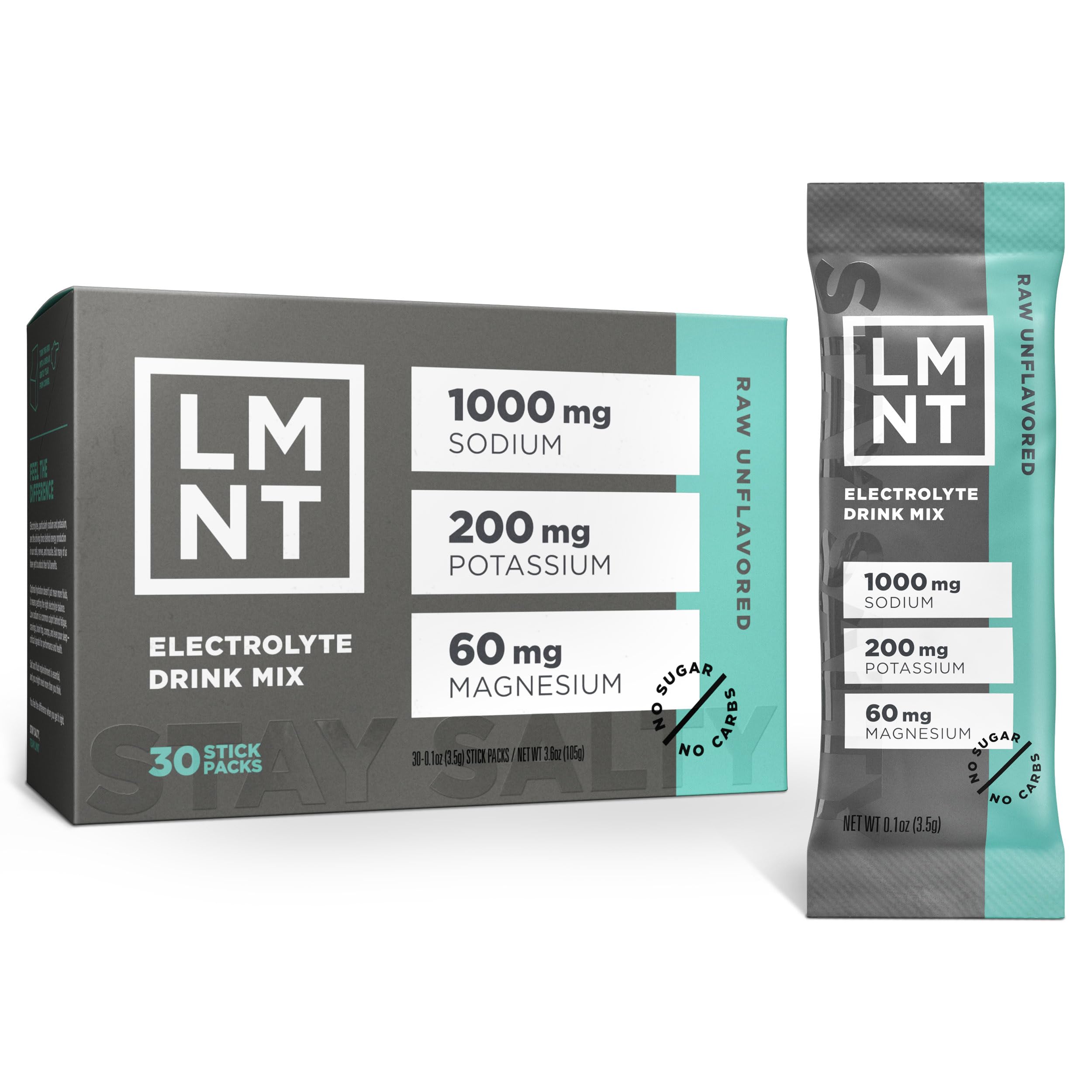
LMNT Zero Sugar Electrolytes - Raw Unflavored Salt | Drink Mix | 30-Count
Amazon.com: LMNT Zero Sugar Electrolytes - Raw Unflavored Salt | Drink Mix | 30-Count : Health & Household

Etekcity Food Kitchen Scale, Digital Grams and Ounces for Weight Loss, Baking, Cooking, Keto and Meal Prep, LCD Display, Medium, 304 Stainless Steel
This Etekcity digital scale has endless uses for personal or commercial environments - great for homes, kitchens, offices, and more. The scale has an easy-to-read LCD display with beautiful clear back
Evidence & Sources
Promising research with growing clinical support from multiple studies
- New England Journal of Medicine
- JAMA Network Open
- Obesity
- The American Journal of Clinical Nutrition
- Nutrition Reviews
- National Center for Complementary and Integrative Health (NCCIH)
- National Institute of Diabetes and Digestive and Kidney Diseases (NIDDK)
- World Health Organization (WHO)
This content is for informational purposes only and does not constitute medical advice. Always consult a qualified healthcare provider before starting, stopping, or changing any supplement or medication regimen.