

Alkaline Diet
Also known as: Alkaline ash diet, pH diet, Acid alkaline diet, Alkaline eating
Overview
The alkaline diet is a dietary pattern built around the idea that foods leave an "acid-forming" or "alkaline-forming" residue after metabolism and that this influences health. In popular wellness culture, the diet is often framed as a way to support detoxification, energy, inflammation balance, bone health, and overall pH wellness. In practice, most alkaline-style eating plans emphasize fruits, vegetables, legumes, nuts, seeds, and water, while reducing processed foods, refined sugar, excess sodium, and large amounts of meat or cheese.
A key concept behind the diet is the distinction between urine pH and blood pH. Human blood pH is tightly regulated within a narrow range by the lungs, kidneys, and buffering systems, and in healthy individuals it does not change meaningfully based on normal food choices alone. However, diet can influence the acid load handled by the kidneys and can alter urinary pH. This physiologic reality helps explain why the alkaline diet remains a topic of interest: although broad claims about "changing the body's pH" are often overstated, researchers have examined whether lower dietary acid load may affect outcomes such as kidney stone risk, bone metabolism, muscle preservation, and cardiometabolic health.
The diet also overlaps substantially with other plant-forward dietary patterns that are already associated with positive health outcomes. Many perceived benefits may stem less from alkalinity itself and more from increased intake of fiber, potassium, magnesium, phytonutrients, and minimally processed foods. For that reason, the alkaline diet sits at an interesting intersection between biochemistry, nutrition science, and wellness marketing. It is widely discussed, but the scientific support is stronger for some specific aspects than for the broader claim that alkaline eating can fundamentally shift systemic body pH or act as a general detox method.
From a public health perspective, the alkaline diet is significant because it reflects common consumer interests in inflammation, acid reflux, kidney health, healthy aging, and natural prevention strategies. It is also relevant because many people interpret pH-focused messaging in ways that can oversimplify human physiology. A balanced understanding recognizes that alkaline diet patterns may align with healthy eating principles, while the more sweeping claims often require much more caution and context. Anyone considering major dietary changes, especially those with kidney disease, eating disorders, metabolic disorders, or complex medical conditions, would generally benefit from discussing their approach with a qualified healthcare professional.
Medical Perspectives
Two Ways of Seeing Health

Western
scientific · clinical
Western medicine applies science, technology, and clinical experience to treat symptoms through testing, diagnosis, and targeted intervention.

Eastern
traditional · alternative
Eastern medicine focuses on treating the body naturally by applying traditional knowledge practiced for thousands of years, emphasizing balance and whole-person wellness.
Gold Bamboo presents both perspectives side-by-side so you can make informed decisions. We don't advocate for one over the other — your health choices are yours.
Western Medicine Perspective
Western Medicine Perspective
In conventional medicine, the central claim that food can substantially alter blood pH in healthy people is not supported by physiology. The body maintains acid-base balance through tightly regulated mechanisms involving respiration, kidney function, and chemical buffering systems. As a result, eating more "alkaline" foods does not generally make the bloodstream alkaline. What diet can change, however, is net endogenous acid load and urinary pH, which has led researchers to study whether lower-acid dietary patterns influence certain disease processes.
Research suggests the strongest conventional interest in alkaline-style eating relates to kidney and urinary outcomes, especially urinary citrate levels and kidney stone formation, as well as broader associations with diet quality. Diets rich in fruits and vegetables can reduce dietary acid load and may support a more favorable urinary environment in some people. There has also been investigation into bone health, based on the hypothesis that acid-forming diets might increase calcium loss or contribute to bone breakdown. To date, evidence has been mixed: some studies indicate changes in urinary calcium or acid excretion, but systematic reviews have not consistently shown that alkaline diets prevent osteoporosis or clearly improve fracture outcomes.
Conventional nutrition science often interprets reported benefits of the alkaline diet through the lens of overall dietary pattern rather than pH theory itself. Higher consumption of produce and lower intake of ultra-processed foods are associated with better cardiovascular and metabolic health in many populations. Inflammation-related claims are less specific; while plant-rich diets may be associated with lower inflammatory markers in some contexts, it remains difficult to separate an "alkaline effect" from the known benefits of improved nutrient density, lower sodium intake, weight regulation, and reduced consumption of processed foods.
Western clinicians also distinguish carefully between the wellness use of the term "acidic" and true medical disorders such as metabolic acidosis, which occur in conditions like advanced kidney disease, uncontrolled diabetes, or severe illness. These are medical states that are not equivalent to eating acid-forming foods. For this reason, conventional medicine generally views the alkaline diet as potentially health-promoting when it encourages whole plant foods, but not as a scientifically established way to detoxify the body or meaningfully shift systemic pH in healthy individuals.
Eastern & Traditional Perspective
Eastern and Traditional Medicine Perspective
In Traditional Chinese Medicine (TCM), health is typically understood through patterns such as balance, excess and deficiency, digestive strength, fluid metabolism, and the movement of qi, rather than through the modern acid-alkaline framework alone. Even so, the alkaline diet's emphasis on fresh plant foods may overlap with TCM principles that value whole, seasonal foods and moderation in heavily processed, greasy, overly sweet, or excessively rich meals. Some practitioners may interpret pH-focused wellness concerns through related concepts such as internal heat, dampness, phlegm accumulation, or digestive imbalance, rather than literal blood acidity.
From an Ayurvedic perspective, food is often categorized according to qualities such as heating/cooling, heavy/light, moist/dry, and by its effects on agni (digestive fire) and the balance of vata, pitta, and kapha. A diet rich in vegetables, fruits, legumes, and less processed food may be seen as supportive in certain constitutions or imbalances, particularly when it reduces excess heaviness or inflammatory tendencies. At the same time, Ayurveda does not generally frame health around urinary or systemic pH; instead, it emphasizes individual constitution, digestive capacity, and the compatibility of foods.
In naturopathic and integrative traditions, the alkaline diet is often discussed as a way to support the body's terrain, resilience, and elimination pathways. These systems may place more emphasis on the idea that modern diets are overly acid-forming and low in minerals such as potassium and magnesium. Research-informed integrative practitioners sometimes bridge this view with conventional concepts like dietary acid load, renal acid handling, and plant-based nutrition, while also acknowledging that claims about changing blood pH are often overstated.
Across traditional systems, the strongest point of convergence is not usually the literal alkalinization of the body, but the broader principle that less processed, more plant-centered eating may support overall balance. Traditional frameworks tend to evaluate food in a more individualized and holistic way than the standardized alkaline diet model. As with conventional care, people with significant medical conditions or restrictive eating patterns are often best served when dietary changes are considered with input from appropriately trained healthcare professionals.
Supplements & Products
Recommended Products
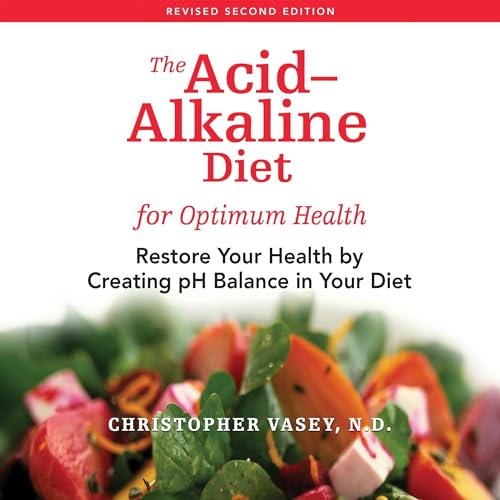
The Acid-Alkaline Diet for Optimum Health: Restore Your Health by Creating pH Balance in Your Diet: Christopher Vasey, Jon Graham
In this updated and expanded second edition, he <strong>provides the latest information on proper hydration and deacidification, important alkalizing supplements, and how to eliminate the body's

pH Test Strips for Urine and Saliva - 150 Litmus Paper pH Test Strips with Ebook, Quick & Easy pH Level Testing from 4.5-9.0, Ultimate Acidity Test Kit from JNW Direct: Amazon.com: Industrial & Scientific
Just Fitter pH Test Strips for Testing Alkaline and Acid Levels in The Body. Track & Monitor Your pH Level Using Saliva and Urine.

Invigorated Water Filter Pitcher with 1 Alkaline Filter – BPA-Free High pH Purifier, 14-Cup Capacity with SmartLight Filter Change Indicator, (96 Gallon) Long Filter Life : Pet Supplies
Invigorated Water PH001 - White Alkaline Water Filter – <strong>Replacement Filters for all Pitcher & Dispenser Filtration Systems – BPA-Free, Removes Chlorine, Heavy Metals – 96 Gallons/Filter (3
Evidence & Sources
Promising research with growing clinical support from multiple studies
- National Institutes of Health (NIH)
- National Center for Complementary and Integrative Health (NCCIH)
- Journal of Environmental and Public Health
- American Journal of Clinical Nutrition
- Osteoporosis International
- Kidney International
- Journal of the American Society of Nephrology
- World Health Organization (WHO)
This content is for informational purposes only and does not constitute medical advice. Always consult a qualified healthcare provider before starting, stopping, or changing any supplement or medication regimen.