

Weight Loss Difficulty
Also known as: Can't Lose Weight, Stubborn Weight, Weight Loss Resistance
Overview
Weight loss difficulty refers to persistent trouble reducing body weight or body fat despite efforts such as dietary changes, increased physical activity, and lifestyle modification. It is a common concern and often reflects a complex interaction between biology, behavior, environment, medications, stress, sleep, and underlying health conditions rather than a simple lack of willpower. Many people seeking information on this topic are exploring whether factors such as insulin resistance, thyroid dysfunction, menopause, polycystic ovary syndrome (PCOS), chronic stress, or metabolic adaptation may be contributing.
From a public health perspective, difficulty losing weight is closely tied to the broader rise in overweight and obesity, which are associated with increased risk of type 2 diabetes, cardiovascular disease, fatty liver disease, sleep apnea, osteoarthritis, and some cancers. At the same time, body weight regulation is now understood to involve sophisticated physiologic systems governing hunger, satiety, energy expenditure, gut hormones, and fat storage. Research suggests that when body weight falls, the body may respond by lowering resting energy expenditure and increasing appetite-related signals, which can make continued weight loss or maintenance more difficult.
Weight loss difficulty can also occur when an identifiable medical issue is present. Common examples include hypothyroidism, Cushing syndrome, insulin resistance, depression, sleep disorders, chronic pain limiting activity, and medication-related weight gain. Certain drugs used for mood disorders, diabetes, epilepsy, contraception, or inflammation may alter appetite, fluid balance, or metabolism. In other cases, perceived resistance to weight loss may reflect changes in body composition, water retention, inaccurate calorie estimation, irregular sleep, or high stress load rather than a true absence of physiologic response.
Because this topic spans both metabolism and whole-person health, evaluation is often broader than diet alone. Conventional medicine may look at endocrine, metabolic, and medication-related contributors, while traditional systems may consider digestion, stress resilience, inflammatory patterns, constitutional tendencies, and lifestyle rhythm. In either framework, persistent or unexplained weight changes warrant discussion with a qualified healthcare professional, especially when accompanied by fatigue, menstrual irregularities, hair loss, constipation, swelling, or other systemic symptoms.
Medical Perspectives
Two Ways of Seeing Health

Western
scientific · clinical
Western medicine applies science, technology, and clinical experience to treat symptoms through testing, diagnosis, and targeted intervention.

Eastern
traditional · alternative
Eastern medicine focuses on treating the body naturally by applying traditional knowledge practiced for thousands of years, emphasizing balance and whole-person wellness.
Gold Bamboo presents both perspectives side-by-side so you can make informed decisions. We don't advocate for one over the other — your health choices are yours.
Western Medicine Perspective
Western / Conventional Medicine Perspective
In conventional medicine, weight loss difficulty is understood as a multifactorial metabolic and clinical issue. Body weight is regulated by a network involving the brain, gastrointestinal tract, pancreas, thyroid, adrenal system, adipose tissue, and skeletal muscle. Hormones such as leptin, ghrelin, insulin, GLP-1, cortisol, estrogen, and thyroid hormone influence hunger, fullness, blood sugar handling, and energy expenditure. Studies indicate that individuals vary substantially in how their bodies respond to caloric restriction and exercise, and this variability may be influenced by genetics, prior weight cycling, age, sleep quality, and endocrine function.
A conventional assessment often considers whether specific conditions may be making weight reduction more difficult. These may include hypothyroidism, PCOS, insulin resistance, type 2 diabetes, Cushing syndrome, menopause-related changes, obstructive sleep apnea, depression, and chronic stress-related dysregulation. Clinicians may also evaluate for medications associated with weight gain, including some antidepressants, antipsychotics, corticosteroids, beta blockers, anticonvulsants, and insulin or sulfonylureas. Laboratory testing, when appropriate, may help clarify whether thyroid abnormalities, glucose dysregulation, liver issues, or other metabolic problems are contributing.
Conventional care generally focuses on identifying and addressing root medical drivers, while also recognizing the role of nutrition quality, physical activity, sleep, mental health, and the food environment. Research supports structured lifestyle intervention for many people, but it also shows that physiology can resist weight reduction through adaptive thermogenesis, increased hunger, and changes in satiety signals. In recent years, medical management has expanded to include evidence-based obesity medicine approaches, including behavioral counseling and, in selected cases, prescription therapies or bariatric procedures. These options are typically discussed within a broader clinical context rather than as universal solutions.
Importantly, conventional medicine increasingly frames obesity and weight regulation as chronic, relapsing, biologically influenced conditions, not solely matters of personal discipline. This shift has improved recognition that weight loss difficulty can be medically meaningful and deserving of careful evaluation rather than dismissal.
Eastern & Traditional Perspective
Eastern / Traditional Medicine Perspective
Traditional and integrative systems generally view weight loss difficulty through a whole-body pattern framework rather than through calories or hormones alone. In Traditional Chinese Medicine (TCM), challenges with excess weight or difficulty losing weight are often interpreted in relation to patterns such as Spleen Qi deficiency, Dampness accumulation, Phlegm retention, Liver Qi stagnation, or Kidney deficiency, depending on the person’s constitution and accompanying symptoms. From this perspective, inefficient transformation of food and fluids, emotional constraint, fatigue, edema, sluggish digestion, and disrupted internal balance may all contribute to a tendency toward weight retention.
In Ayurveda, weight-related difficulty may be associated with imbalance in Kapha dosha, impaired digestive fire (agni), toxin accumulation (ama), and disrupted metabolic function in the tissues. Individuals may be described as having patterns of heaviness, lethargy, water retention, slow digestion, or stress-related eating tendencies. Ayurvedic interpretation often places strong emphasis on daily rhythm, digestion, sleep, mental state, and constitution, seeing metabolism as part of a broader systemic balance rather than an isolated calorie equation.
Naturopathic and other traditional approaches often highlight stress physiology, sleep quality, digestive health, inflammatory burden, movement patterns, and individualized constitutional factors. Botanicals, mind-body practices, acupuncture, and dietary traditions have been used historically to support metabolic balance, appetite regulation, digestion, and resilience. However, while some complementary therapies have emerging evidence for related issues such as insulin sensitivity, stress reduction, or waist circumference, the overall research base is mixed and often less robust than for conventional obesity medicine.
Across Eastern systems, weight loss difficulty is rarely viewed as a standalone problem; it is more often seen as a signal of underlying imbalance in digestion, energy regulation, fluid metabolism, or emotional harmony. Because symptoms such as fatigue, menstrual changes, constipation, or edema may point to significant medical conditions, integrative practitioners generally emphasize individualized assessment and coordination with licensed healthcare professionals when needed.
Supplements & Products
Recommended Products
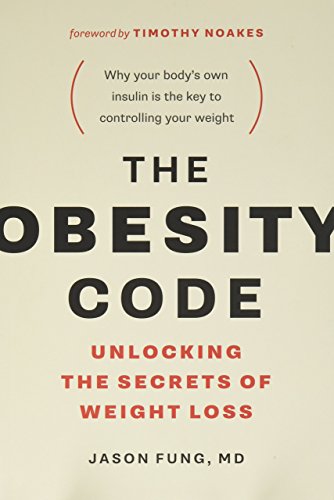
The Obesity Code: Unlocking the Secrets of Weight Loss (Why Intermittent Fasting Is the Key to Controlling Your Weight): Fung, Dr. Jason, Noakes, Timothy
The Obesity Code is <strong>a groundbreaking, science-based guide to lasting weight loss that goes beyond “calories in, calories out.”</strong> Instead of blaming lack of willpower, practicing physici

THORNE - Berberine - Dual Action Formula with Phytosome Plus Botanical Extract - Support Heart Health, Immune System, Healthy GI & Cholesterol* - Gluten-Free - 30 Servings
Buy THORNE - Berberine - Dual Action Formula with Phytosome Plus Botanical Extract - Support Heart Health, Immune System, Healthy GI & Cholesterol* - Gluten-Free - 30 Servings on Amazon.com ✓ FREE

Wholesome Story Myo-Inositol & D-Chiro Inositol Supplement for Women | Fertility Supplements for Hormonal Balance & Ovarian Health Support | Myoinositol | Ideal 40:1 Ratio | 30 Servings
Our Myo & D-Chiro products contain a 40:1 ratio of Myo- to D-Chiro Inositol, shown to be <strong>the most beneficial ratio for women of reproductive age</strong>.* Myo-Inositol provides many of th
Evidence & Sources
Promising research with growing clinical support from multiple studies
- National Institute of Diabetes and Digestive and Kidney Diseases (NIDDK)
- Endocrine Society Clinical Practice Guidelines
- American Association of Clinical Endocrinology (AACE)
- Obesity (journal)
- The New England Journal of Medicine
- Nature Reviews Endocrinology
- National Center for Complementary and Integrative Health (NCCIH)
- World Health Organization (WHO)
This content is for informational purposes only and does not constitute medical advice. Always consult a qualified healthcare provider before starting, stopping, or changing any supplement or medication regimen.