

Water Retention
Also known as: Fluid Retention, Edema, Swelling
Overview
Water retention—also called fluid retention or edema—refers to the buildup of excess fluid in the body's tissues. It commonly appears as swelling, puffiness, or a feeling of heaviness, often affecting the feet, ankles, legs, hands, abdomen, or face. Mild, short-term water retention is common and may be influenced by factors such as high sodium intake, prolonged sitting or standing, hormonal fluctuations, heat, travel, or the menstrual cycle. In other cases, persistent or pronounced swelling can reflect broader issues involving circulation, kidney function, liver function, heart health, lymphatic drainage, inflammation, or medication effects.
From a health perspective, water retention is not a single disease but a sign or symptom with many possible causes. Research and clinical practice distinguish between generalized fluid retention, which may involve multiple body areas, and localized edema, which affects a specific region. Temporary bloating and mild puffiness are often benign, but rapid onset swelling, one-sided leg swelling, shortness of breath, chest discomfort, or swelling associated with pregnancy may warrant prompt medical evaluation. Because edema can sometimes signal a serious underlying condition, it is typically understood within the broader context of a person's medical history, medications, diet, and activity level.
People often explore natural approaches to water retention because the symptom can be uncomfortable and visibly noticeable. Common self-care interests include dietary changes, hydration habits, movement, compression, herbal traditions, and body-based therapies. Studies suggest that some lifestyle factors—such as sodium balance, physical inactivity, and prolonged immobility—can contribute to fluid shifts, while supportive measures may help in selected cases. At the same time, the effectiveness and safety of natural strategies vary, especially when water retention is related to chronic illness or medication use.
In both conventional and traditional systems of medicine, water retention is generally viewed as a sign of imbalance in fluid regulation. Western medicine emphasizes mechanisms such as capillary pressure, kidney sodium handling, hormones, and lymphatic circulation, while traditional frameworks may interpret edema through patterns involving dampness, stagnation, weakened digestion, or impaired elimination. A balanced understanding recognizes that water retention can range from a temporary nuisance to an important clinical clue, and that persistent symptoms are best assessed with guidance from a qualified healthcare provider.
Medical Perspectives
Two Ways of Seeing Health

Western
scientific · clinical
Western medicine applies science, technology, and clinical experience to treat symptoms through testing, diagnosis, and targeted intervention.

Eastern
traditional · alternative
Eastern medicine focuses on treating the body naturally by applying traditional knowledge practiced for thousands of years, emphasizing balance and whole-person wellness.
Gold Bamboo presents both perspectives side-by-side so you can make informed decisions. We don't advocate for one over the other — your health choices are yours.
Western Medicine Perspective
Western Medicine Perspective
In conventional medicine, water retention is understood through the physiology of fluid balance. The body normally regulates water distribution through a complex interaction between the blood vessels, kidneys, lymphatic system, hormones, and tissue pressures. Edema can develop when fluid leaks from capillaries into surrounding tissues faster than it can be reabsorbed or drained. Common mechanisms include increased hydrostatic pressure (as in venous insufficiency or heart failure), reduced plasma proteins such as albumin, increased capillary permeability from inflammation, and impaired lymphatic drainage. Hormonal influences—including changes in estrogen, progesterone, and aldosterone—may also contribute to cyclical swelling and bloating.
Clinicians evaluate water retention by looking for the pattern, location, duration, and associated symptoms. Swelling in both legs may point toward venous, cardiac, kidney, or medication-related causes, while one-sided swelling may raise concern for a blood clot, injury, or lymphatic obstruction. Medications known to contribute to edema can include calcium channel blockers, NSAIDs, corticosteroids, hormones, and some diabetes medications. Diagnostic assessment may involve a physical exam, review of diet and medications, and when indicated, laboratory testing or imaging to assess renal, hepatic, cardiac, venous, or endocrine contributors.
Management in western medicine depends on the underlying cause rather than on fluid retention alone. Research supports the role of addressing contributory factors such as excess sodium intake, prolonged immobility, venous insufficiency, obesity, and medication effects. Depending on the clinical context, conventional approaches may include compression therapy, movement, elevation, dietary modification, treatment of underlying disease, or prescription diuretics under medical supervision. Importantly, the use of fluid-reducing strategies is not one-size-fits-all; in some situations, aggressive fluid restriction or unsupervised diuretic use can be counterproductive or unsafe. Persistent, worsening, or unexplained edema is generally considered a reason for professional evaluation.
Eastern & Traditional Perspective
Eastern/Traditional Medicine Perspective
In Traditional Chinese Medicine (TCM), water retention is often interpreted through patterns such as dampness accumulation, spleen qi deficiency, kidney yang deficiency, or qi stagnation affecting fluid transformation and transport. Within this framework, the Spleen is said to govern transformation and transportation of fluids, while the Kidneys help regulate water metabolism. When these systems are thought to be weakened, fluids may accumulate and manifest as swelling, heaviness, puffiness, abdominal fullness, or a sense of sluggishness. TCM assessment typically considers the broader pattern of symptoms rather than edema in isolation.
Traditional East Asian approaches may include acupuncture, moxibustion, dietary therapy, and herbal formulas traditionally used to support fluid metabolism and reduce dampness. Some herbal materials have a long history of use for promoting urination or easing swelling, but modern evidence varies substantially by formula and indication. Clinical studies suggest acupuncture may have supportive effects in some forms of edema or bloating, though the quality of evidence is mixed and often condition-specific. Because herbal approaches can affect kidney function, blood pressure, fluid balance, or medication metabolism, they are generally best considered within the context of trained practitioner oversight.
In Ayurveda, fluid retention may be viewed through the lens of kapha imbalance, impaired agni (digestive/metabolic fire), and disrupted movement of bodily fluids. Swelling and heaviness may be interpreted as signs of excess stagnation, impaired digestion, or channel obstruction. Traditional Ayurvedic care may involve attention to dietary qualities, daily routine, movement, sweating practices, massage, and botanicals selected according to the individual's constitution and pattern. In naturopathic and traditional herbal systems, water retention is often associated with circulation, lymphatic flow, digestive balance, and mineral or sodium balance, with interest in plant-based diuretics and supportive lifestyle measures.
Across traditional systems, the central theme is that excess fluid reflects a broader functional imbalance rather than a standalone symptom to suppress. While these perspectives offer useful holistic frameworks, they do not replace medical assessment when edema may reflect heart, kidney, liver, vascular, or pregnancy-related complications. An integrative approach often emphasizes careful evaluation, especially when swelling is recurrent, significant, or accompanied by other concerning symptoms.
Supplements & Products
Recommended Products

The Book of Lymph: Self-Care Practices to Enhance Immunity, Health, and Beauty: Gainsley, Lisa Levitt
In this first-of-its-kind guide, ... Gainsley <strong>explains how to maintain lymphatic health with this complete self-care resource, sharing the five-minute self-massage techniques she originally de
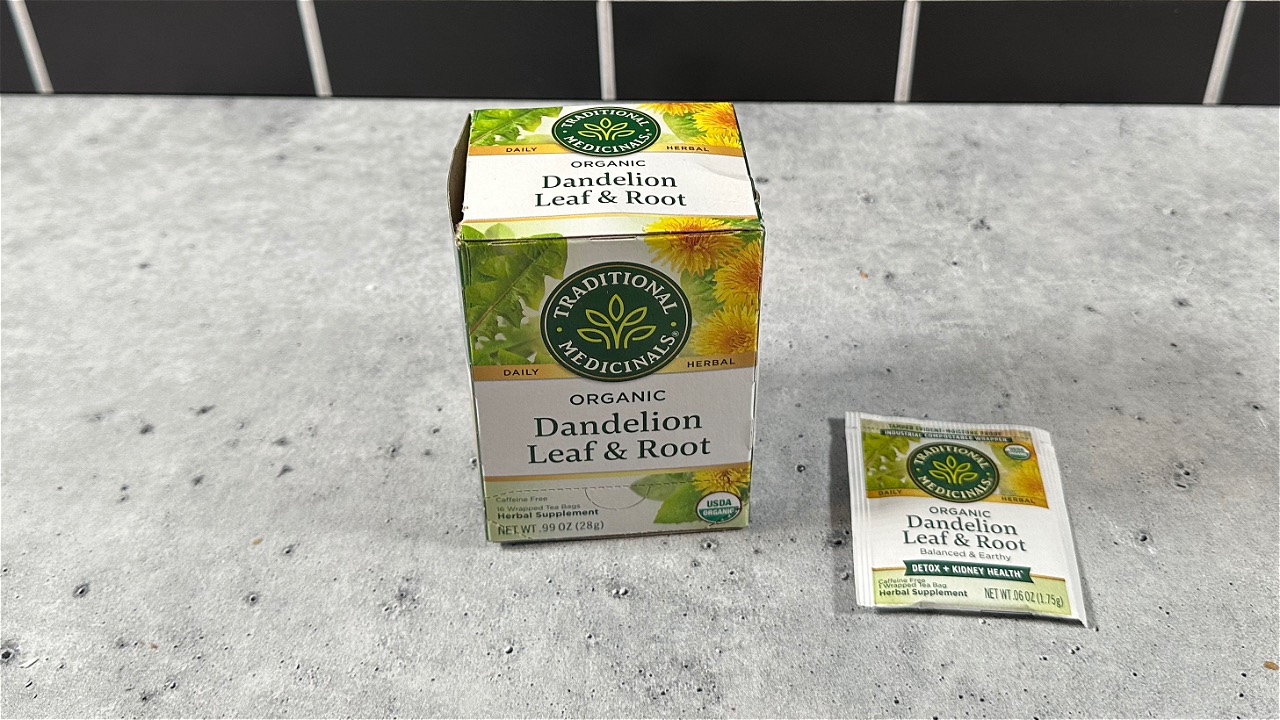
Traditional Medicinals Tea, Organic Dandelion Leaf & Root, Supports Kidney Function & Healthy Digestion, 16 Tea Bags
Traditional Medicinals Organic, Dandelion Leaf & Root - Dandelion Root Tea, Supports Normal Detox + Digestion - Kosher, Non-GMO, Caffeine-Free, Compostable - 16 Tea Bags
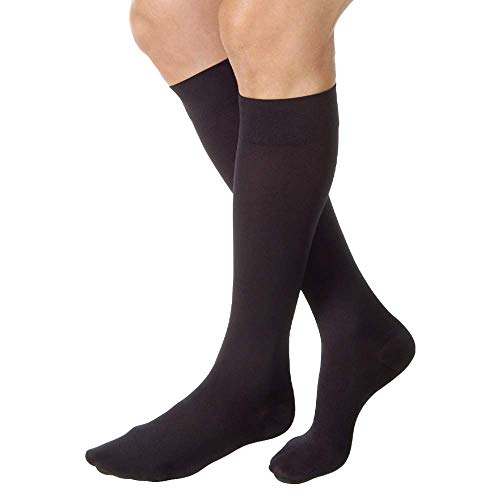
JOBST Relief 15-20mmHg Compression Stockings Knee High, Closed Toe, Black, Large Full Calf
Amazon.com: JOBST Relief 15-20mmHg Compression Stockings Knee High, Closed Toe, Black, Large Full Calf : Health & Household
Evidence & Sources
Promising research with growing clinical support from multiple studies
- National Institute of Diabetes and Digestive and Kidney Diseases (NIDDK)
- National Heart, Lung, and Blood Institute (NHLBI)
- Merck Manual Professional Edition
- Cleveland Clinic
- StatPearls
- New England Journal of Medicine
- Journal of the American Heart Association
- National Center for Complementary and Integrative Health (NCCIH)
This content is for informational purposes only and does not constitute medical advice. Always consult a qualified healthcare provider before starting, stopping, or changing any supplement or medication regimen.