

Vitiligo
Overview
Vitiligo is a chronic skin condition characterized by the development of well-defined white patches caused by the loss of functional melanocytes, the cells responsible for producing skin pigment. The condition can affect any area of the body, including the face, hands, scalp, genitals, and mucous membranes, and it may also lead to whitening of hair in affected regions. Vitiligo is not contagious and is not physically dangerous in itself, but it can carry substantial emotional, social, and quality-of-life effects, particularly when visible areas are involved.
Vitiligo is generally understood as a multifactorial disorder with autoimmune, genetic, oxidative stress, and neurochemical influences. It occurs in people of all skin tones, though it may be more visually prominent in individuals with darker skin. Estimates vary across populations, but vitiligo is commonly reported to affect roughly 0.5% to 2% of the global population. It can begin at any age, often emerging before midlife, and may progress unpredictably, with periods of stability and spread.
Several clinical patterns are recognized. Nonsegmental vitiligo is the most common form and often appears symmetrically on both sides of the body; segmental vitiligo tends to affect one area or dermatome-like distribution and may stabilize earlier. Vitiligo is also associated more frequently than average with other autoimmune conditions, especially autoimmune thyroid disease, and sometimes with type 1 diabetes, alopecia areata, pernicious anemia, or other immune-mediated disorders.
From a broader health perspective, vitiligo sits at the intersection of dermatology, immunology, and psychosocial health. Conventional medicine focuses on diagnosis, immune modulation, repigmentation strategies, and screening for associated autoimmune disease where appropriate. Traditional and integrative systems often frame vitiligo through concepts of internal imbalance, digestion, stress, blood or liver dysfunction, or altered energy flow, with approaches aimed at restoring systemic balance while supporting skin health. In all frameworks, the condition is best understood as complex and individualized, and evaluation by a qualified healthcare professional remains important.
Compare Treatment Options
Vitiligo is a chronic pigment disorder in which functional melanocytes are lost from affected skin, leading to sharply defined white patches that can appear on the face, hands, scalp, body folds, or genital areas. Current research most strongly supports an immune-mediated process, especially in non-segmental vitiligo, with oxidative stress, genetic susceptibility, and local skin factors also contributing. The condition is not contagious and is often medically benign, but its visibility can create substantial emotional and social burden, particularly when lesions involve the face, hands, or darker skin tones. Treatment options vary because vitiligo is highly individual: some people have small, stable patches, while others experience rapidly spreading depigmentation. Response also depends on body location, disease subtype, age, access to care, and goals such as halting spread versus encouraging repigmentation. In Western dermatology, common approaches include topical anti-inflammatory therapy, targeted or whole-body phototherapy, and newer topical immune-modulating options. In Eastern and integrative traditions, approaches such as acupuncture and Chinese herbal medicine are traditionally used to support systemic balance and stress regulation, though evidence quality is generally less robust and should be interpreted cautiously. Because treatment often unfolds over months, decisions usually involve balancing evidence strength, convenience, risk tolerance, cost, and how urgently disease activity needs to be controlled.
View treatment comparison (7 options)Medical Perspectives
Two Ways of Seeing Health

Western
scientific · clinical
Western medicine applies science, technology, and clinical experience to treat symptoms through testing, diagnosis, and targeted intervention.

Eastern
traditional · alternative
Eastern medicine focuses on treating the body naturally by applying traditional knowledge practiced for thousands of years, emphasizing balance and whole-person wellness.
Gold Bamboo presents both perspectives side-by-side so you can make informed decisions. We don't advocate for one over the other — your health choices are yours.
Western Medicine Perspective
Western Medicine Perspective
In conventional medicine, vitiligo is primarily viewed as an autoimmune-mediated depigmenting disorder. Research suggests that in many patients, the immune system targets melanocytes, with cytotoxic T-cell activity and inflammatory signaling pathways—especially those involving interferon-gamma and the JAK-STAT pathway—playing central roles. Genetic susceptibility appears significant, but genetics alone do not fully explain onset; environmental triggers, oxidative stress, skin injury (Koebner phenomenon), and emotional stress are also discussed in the literature as possible contributing factors.
Diagnosis is usually clinical, based on the appearance of depigmented macules and patches. Dermatologists may use a Wood's lamp to better define affected areas, and differential diagnosis can include post-inflammatory hypopigmentation, tinea versicolor, pityriasis alba, chemical leukoderma, and other pigment disorders. Because of the autoimmune overlap, conventional evaluation may also consider associated conditions, particularly thyroid disease. Standard management in dermatology may involve observation, topical therapies, light-based approaches, and in selected cases surgical or camouflage techniques, with treatment goals often centered on halting progression, encouraging repigmentation, and supporting quality of life rather than implying a uniform outcome.
Studies indicate that topical corticosteroids, topical calcineurin inhibitors, and narrowband UVB phototherapy are among the better-established conventional approaches for selected patients. More recent research has increased interest in JAK inhibitors, including topical ruxolitinib for certain forms of nonsegmental vitiligo, reflecting advances in understanding immune signaling. Even with modern therapy, response can vary considerably by body site, duration, disease activity, and skin/hair involvement. Sun protection and psychosocial support are also important aspects of conventional care because depigmented skin is more vulnerable to sunburn, and visible skin conditions may affect self-esteem, mood, and social functioning.
Eastern & Traditional Perspective
Eastern / Traditional Medicine Perspective
In Traditional Chinese Medicine (TCM), vitiligo is not defined by melanocyte biology but is often interpreted through patterns such as deficiency of Liver and Kidney essence, disharmony of qi and blood, wind invasion, or blood stasis obstructing the skin and channels. Traditional texts and contemporary TCM practice often frame changes in skin coloration as reflecting an internal imbalance rather than a purely local skin disorder. Emotional strain, constitutional weakness, and disrupted circulation of qi and blood are commonly cited concepts. Treatment traditions may include individualized herbal formulas, acupuncture, moxibustion, and dietary patterning intended to restore balance, though these frameworks are based on traditional theory rather than modern biomedical mechanisms.
In Ayurveda, vitiligo is often discussed under the broader umbrella of Shwitra or related disorders of skin pigmentation. Classical interpretations may involve imbalance in the doshas, especially Pitta along with disturbance in Rakta dhatu and other tissues, with digestion and metabolic disturbance sometimes considered relevant. Ayurvedic approaches have traditionally included botanical preparations, purification practices in certain contexts, sun exposure rituals, and dietary discipline. Some herbs historically associated with pigment disorders, such as Psoralea corylifolia (bakuchi), have attracted scientific interest because of photosensitizing compounds, though safety concerns and variable preparation quality are important considerations.
In naturopathic and integrative medicine, vitiligo is often approached as a condition potentially linked to immune dysregulation, oxidative stress, gastrointestinal health, nutrient status, and chronic stress burden. This perspective may explore broader whole-person patterns, but the supporting evidence varies substantially by intervention. While some traditional or integrative strategies are used alongside conventional dermatologic care, high-quality research remains uneven, and not all historical practices have been validated in rigorous trials. For that reason, discussions of herbal medicine, supplements, or photoreactive botanicals are best situated within qualified professional oversight, particularly because skin irritation, photosensitivity, and interactions may occur.
Supplements & Products
Recommended Products

A No-Nonsense Guide To Vitiligo: Valle, Yan
<strong>Join Yan Valle, CEO of Vitiligo Research Foundation, on a captivating journey through mysteries of vitiligo</strong>. Discover vital insights into symptoms, triggers, treatments, nutrition, an
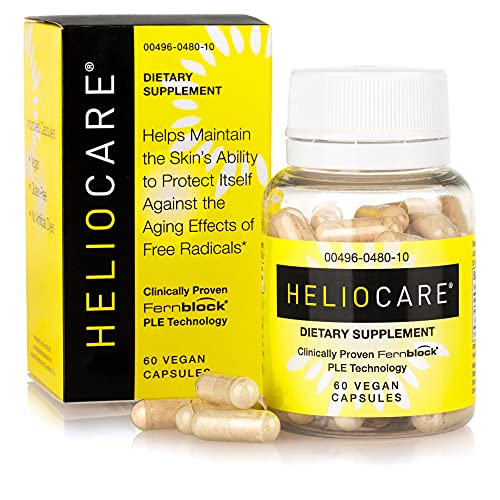
Heliocare Skin Care Dietary Supplement: 240mg Polypodium Leucotomos Extract Pills - Antioxidant Rich Formula with Fernblock and PLE Technology - 60 Veggie Capsules
Buy Heliocare Skin Care Dietary Supplement: 240mg Polypodium Leucotomos Extract Pills - Antioxidant Rich Formula with Fernblock and PLE Technology - 60 Veggie Capsules on Amazon.com ✓ FREE SHIPPING on

Jarrow Formulas Ginkgo Biloba, Supports Antioxidant Status & Circulation, 120mg, 120 Capsules
Ginkgo Biloba (50:1 leaf extract), Standardized Extract Profile: Ginkgoflavonglycosides, Terpene Lactones, Cellulose, magnesium stearate (vegetable source) and silicon dioxide.
Evidence & Sources
Promising research with growing clinical support from multiple studies
- American Academy of Dermatology
- National Institute of Arthritis and Musculoskeletal and Skin Diseases (NIAMS)
- National Center for Complementary and Integrative Health (NCCIH)
- British Journal of Dermatology
- Journal of the American Academy of Dermatology
- The Lancet
- New England Journal of Medicine
- World Health Organization
This content is for informational purposes only and does not constitute medical advice. Always consult a qualified healthcare provider before starting, stopping, or changing any supplement or medication regimen.