

Vertigo
Also known as: Dizziness Vertigo, Spinning Sensation
Overview
Vertigo is not a disease itself, but a symptom describing the false sensation that a person or their surroundings are spinning, tilting, or moving. It is distinct from general dizziness, lightheadedness, or imbalance, although these experiences often overlap. Vertigo most commonly arises from disturbances in the vestibular system—the network involving the inner ear, vestibular nerve, brainstem, and cerebellum that helps regulate balance and spatial orientation. Because this system is complex, vertigo can be linked to relatively benign inner-ear conditions or, less commonly, to significant neurological or vascular disorders.
Among the most common causes are benign paroxysmal positional vertigo (BPPV), vestibular neuritis, labyrinthitis, and Ménière disease. Vertigo may also occur with migraine, head injury, certain medications, anxiety-related balance disturbances, or central nervous system conditions such as stroke or multiple sclerosis. Episodes may be brief and position-triggered, or prolonged and associated with nausea, vomiting, hearing changes, fullness in the ear, visual sensitivity, gait instability, or motion intolerance. The pattern of symptoms often helps clinicians distinguish among causes.
Vertigo is clinically significant because it can interfere with walking, driving, work, sleep, and daily function, and in older adults it may increase fall risk. Research suggests dizziness and balance disorders are common reasons for outpatient visits and emergency evaluations. While many vestibular conditions are self-limited or manageable, vertigo warrants careful assessment when it is sudden, severe, recurrent, or accompanied by neurological symptoms such as weakness, double vision, severe headache, trouble speaking, or loss of coordination. In those situations, prompt medical evaluation is important to rule out urgent causes.
From an integrative health perspective, people often look beyond diagnosis alone and seek information on vestibular rehabilitation, balance retraining, stress reduction, dietary patterns, and natural symptom support. Conventional medicine focuses on identifying the source of the vertigo and excluding dangerous causes, while traditional systems may interpret symptoms through broader patterns involving circulation, fluid balance, constitutional tendencies, or nervous system regulation. A balanced understanding recognizes that vertigo can have multiple contributors, and that supportive care is best considered in coordination with a qualified healthcare professional.
Compare Treatment Options
Vertigo is a symptom rather than a single disease. It describes a false sense of spinning, tilting, rocking, or motion, often linked to the vestibular system in the inner ear and brain pathways that help control balance and eye movements. Common causes include benign paroxysmal positional vertigo (BPPV), vestibular neuritis or labyrinthitis, migraine-related vertigo, Ménière disease, medication effects, and less commonly stroke or other neurological disorders. This is why people sometimes use “dizziness” and “vertigo” interchangeably, even though vertigo is a more specific movement illusion. Treatment options vary because the best approach depends heavily on the cause, duration, and pattern of symptoms. A brief spinning sensation triggered by rolling over in bed is managed differently from vertigo with hearing loss, new headache, fainting, chest symptoms, or neurological changes. In western care, options may include canalith repositioning maneuvers, vestibular rehabilitation, short-term symptom-relieving medicines, and condition-specific evaluation. In eastern medicine, approaches such as acupuncture and selected herbal traditions are used to address dizziness, nausea, stress reactivity, and recovery support, though the evidence base is more variable and often depends on the underlying diagnosis. Because vertigo can overlap with migraine, tinnitus, nausea, and anxiety, a careful assessment is often what most strongly shapes treatment selection.
View treatment comparison (6 options)Medical Perspectives
Two Ways of Seeing Health

Western
scientific · clinical
Western medicine applies science, technology, and clinical experience to treat symptoms through testing, diagnosis, and targeted intervention.

Eastern
traditional · alternative
Eastern medicine focuses on treating the body naturally by applying traditional knowledge practiced for thousands of years, emphasizing balance and whole-person wellness.
Gold Bamboo presents both perspectives side-by-side so you can make informed decisions. We don't advocate for one over the other — your health choices are yours.
Western Medicine Perspective
Western Medicine Perspective
In conventional medicine, vertigo is usually approached by distinguishing peripheral vertigo from central vertigo. Peripheral causes involve the inner ear or vestibular nerve and are more common; examples include BPPV, vestibular neuritis, labyrinthitis, and Ménière disease. Central causes originate in the brainstem or cerebellum and may include stroke, migraine, demyelinating disease, tumor, or other neurological disorders. Clinicians typically evaluate the timing of episodes, provoking movements, hearing symptoms, recent viral illness, medication exposure, headache history, and neurological findings. Bedside exams—such as positional testing for BPPV and targeted eye movement assessment—can provide important diagnostic clues.
The conventional framework emphasizes that vertigo is a symptom with a differential diagnosis, not a one-size-fits-all condition. For example, BPPV often produces brief, position-triggered spinning due to displaced calcium carbonate crystals within the semicircular canals. Vestibular neuritis tends to cause sudden, prolonged vertigo, often after a viral illness, without hearing loss, whereas labyrinthitis may include hearing changes. Ménière disease classically involves episodic vertigo with fluctuating hearing loss, tinnitus, and ear fullness. Vestibular migraine can mimic inner-ear disorders and is increasingly recognized as a major contributor to recurrent vertigo.
Management in western medicine depends on the cause. Research supports canalith repositioning maneuvers for BPPV and vestibular rehabilitation therapy for many vestibular disorders. Short-term use of symptom-relieving medications may be considered in some acute cases, though prolonged use can sometimes interfere with vestibular compensation. In selected situations, hearing evaluation, MRI, vascular assessment, or specialty referral to otolaryngology or neurology may be part of workup. Conventional medicine also emphasizes red-flag recognition, especially when vertigo is accompanied by chest pain, new neurological deficits, severe headache, inability to walk, or sudden hearing loss.
The evidence base is strongest for well-characterized vestibular conditions and physical rehabilitation strategies, while nutritional and supplement-based approaches remain more variable in quality. Many clinicians acknowledge that anxiety, visual dependence, sleep disturbance, and migraine physiology can amplify vertigo symptoms, so multidisciplinary care may be relevant. Any persistent, worsening, or unexplained vertigo is generally considered appropriate for medical assessment.
Eastern & Traditional Perspective
Eastern / Traditional Medicine Perspective
In Traditional Chinese Medicine (TCM), vertigo is often discussed under patterns such as "wind," "phlegm," "liver yang rising," or deficiency of qi, blood, or kidney essence, depending on the presentation. From this perspective, dizziness and spinning may arise when clear yang does not ascend properly to the head, when phlegm obstructs the sensory orifices, or when internal wind disturbs balance and orientation. TCM assessment traditionally considers associated signs such as headache, nausea, tinnitus, fatigue, irritability, digestive symptoms, and tongue and pulse patterns. The goal is not simply to label vertigo, but to identify the broader pattern of imbalance.
Traditional East Asian approaches have historically used acupuncture, moxibustion, tai chi, breathing practices, and customized herbal formulas to support balance, calm reactivity, and address the underlying pattern. Modern research suggests acupuncture may help some patients with dizziness-related symptoms or vestibular disorders, but study quality is mixed and mechanisms remain under investigation. Tai chi and mind-body movement practices are also of interest because they may improve proprioception, postural control, and fall confidence, particularly in older adults or those with chronic balance disturbance.
In Ayurveda, symptoms resembling vertigo may be interpreted through disturbances in Vata dosha, particularly when instability, lightness, anxiety, or nervous system hypersensitivity are prominent. In some presentations, Pitta involvement may be considered when heat, irritability, migraine tendencies, or inflammatory features predominate. Ayurvedic frameworks often emphasize digestion, nervous system regulation, rest, sensory balance, and individualized constitutional assessment. Herbal and lifestyle approaches are traditionally tailored to the person rather than the symptom alone.
Naturopathic and integrative traditions often view vertigo through a systems lens that may include vestibular function, inflammation, migraine susceptibility, cervical tension, hydration status, stress load, and recovery after viral illness. These traditions sometimes incorporate botanical medicine, nutritional assessment, breathing practices, and physical therapies, but the strength of evidence varies widely by intervention. Across traditional systems, an important caveat is that severe or sudden vertigo can reflect urgent medical conditions; integrative care is best framed as complementary and coordinated with conventional diagnostic evaluation.
Supplements & Products
Recommended Products
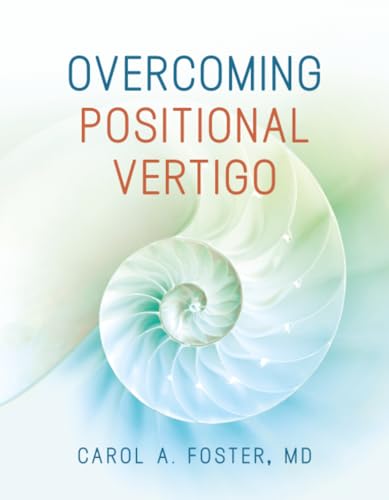
Overcoming Positional Vertigo: Foster, Carol
Overcoming Positional Vertigo <strong>offers a comprehensive guide to understanding and managing Benign Paroxysmal Positional Vertigo (BPPV),</strong> a common cause of dizziness stemming from the inn

NOW Foods Supplements, Ginger Root Extract 250 mg, Temporary Relief of Upset Stomach*, Digestive Support*, 90 Veg Capsules
<strong>STANDARDIZED TO MINIMUM OF 5% GINGEROLS</strong>: Ginger is a plant native to Southeast Asia that has a long history of use by traditional herbalists and is commonly used as a culinary spice

AIREX Balance Board Stability Trainer for Balance, Stretching, Physical Therapy, Exercise, Mobility, Rehabilitation and Core Training Non-Slip Closed Cell Foam Premium Balance Board
ProsourceFit Exercise Balance Pad, Non-Slip Cushioned Foam Mat & Knee Pad for Fitness and Stability Training, Yoga, Physical Therapy ... Yes4All Balance Pad, Nonslip TPE Foam Balance Pad with Upgr
Evidence & Sources
Promising research with growing clinical support from multiple studies
- National Institute on Deafness and Other Communication Disorders (NIDCD)
- National Center for Complementary and Integrative Health (NCCIH)
- American Academy of Otolaryngology—Head and Neck Surgery Foundation Clinical Practice Guideline: Benign Paroxysmal Positional Vertigo
- Neurology
- Journal of Vestibular Research
- The Lancet Neurology
- New England Journal of Medicine
- Cochrane Database of Systematic Reviews
- World Health Organization (WHO)
- JAMA Neurology
This content is for informational purposes only and does not constitute medical advice. Always consult a qualified healthcare provider before starting, stopping, or changing any supplement or medication regimen.