

Varicose Veins Herbal Remedies
Overview
Varicose veins are enlarged, twisted superficial veins most commonly seen in the legs. They develop when vein valves weaken or become incompetent, allowing blood to pool rather than return efficiently to the heart. This can lead to visible bulging veins as well as symptoms such as heaviness, aching, swelling, itching, nighttime cramping, and leg fatigue. In some cases, chronic venous insufficiency can progress to skin discoloration, inflammation, or ulceration.
Varicose veins are common, particularly with increasing age, pregnancy history, prolonged standing, obesity, family history, and occupations that involve long periods of sitting or standing. Although often viewed as a cosmetic concern, they can also reflect an underlying circulatory issue affecting quality of life and mobility. Their significance lies not only in appearance but in the broader spectrum of venous disease, from mild spider veins to advanced chronic venous insufficiency.
When people search for herbal remedies for varicose veins, they are often looking for options that may support circulation, reduce discomfort, or complement lifestyle and medical care. Herbs and plant-derived compounds most frequently discussed in research and traditional practice include horse chestnut seed extract, butcher's broom, gotu kola, grape seed extract, diosmin-containing citrus flavonoids, and witch hazel for topical use. Research suggests some botanicals may help reduce edema, sensations of heaviness, or venous symptoms, though evidence quality varies and results are not uniform across products.
It is important to distinguish symptom support from structural correction. Herbal approaches are generally discussed as supportive measures rather than ways to reverse damaged venous valves. Because leg pain and swelling can also signal more serious conditions such as deep vein thrombosis, cellulitis, or arterial disease, persistent or worsening symptoms warrant evaluation by a qualified healthcare professional. This is especially relevant before combining herbal products with anticoagulants, antiplatelet drugs, or procedures for vein disease.
Medical Perspectives
Two Ways of Seeing Health

Western
scientific · clinical
Western medicine applies science, technology, and clinical experience to treat symptoms through testing, diagnosis, and targeted intervention.

Eastern
traditional · alternative
Eastern medicine focuses on treating the body naturally by applying traditional knowledge practiced for thousands of years, emphasizing balance and whole-person wellness.
Gold Bamboo presents both perspectives side-by-side so you can make informed decisions. We don't advocate for one over the other — your health choices are yours.
Western Medicine Perspective
Western Medicine Perspective
In conventional medicine, varicose veins are understood as a form of chronic venous disease caused by venous hypertension and valve dysfunction in superficial leg veins. Evaluation may include physical examination and, when indicated, duplex ultrasound to assess reflux, obstruction, or other vascular abnormalities. Standard management focuses on symptom reduction, prevention of progression, and procedural treatment when disease is significant. Common approaches include compression therapy, exercise and leg elevation strategies, weight management, and medical procedures such as sclerotherapy, endovenous ablation, or surgery depending on severity.
From a research standpoint, several herbal or plant-based therapies have been studied as adjunctive symptom-support options. The best-known is horse chestnut seed extract (Aesculus hippocastanum), particularly standardized escin preparations, which studies and reviews have associated with reduced leg pain, edema, and feelings of heaviness in chronic venous insufficiency. Butcher's broom (Ruscus aculeatus) and Centella asiatica (gotu kola) have also been investigated for venous tone, microcirculation, and edema-related symptoms. Some evidence also supports micronized purified flavonoid fractions such as diosmin/hesperidin, widely used in venous disorders in some countries, though these occupy a gray area between botanical and pharmaceutical categories.
Conventional medicine also emphasizes safety and product quality. Herbal preparations vary widely in concentration, extraction method, and purity, making findings difficult to generalize across brands. Raw or improperly processed horse chestnut is considered unsafe, while topical preparations may cause irritation and oral botanicals may interact with medications or affect bleeding risk. From a western perspective, herbal remedies may have a role in symptom management for selected patients, but they are not considered replacements for vascular assessment or definitive treatment when complications or significant reflux are present.
Eastern & Traditional Perspective
Eastern / Traditional Medicine Perspective
Traditional systems typically view varicose veins less as an isolated vein problem and more as part of a broader pattern of circulatory stagnation, tissue weakness, and impaired fluid movement. In Traditional Chinese Medicine (TCM), presentations resembling varicose veins may be interpreted through patterns such as Blood Stasis, Qi stagnation, or weakness of the Spleen's function in holding blood within the vessels. Traditional approaches may aim to invigorate blood, move qi, reduce damp accumulation, and support connective tissue integrity. Herbs historically used in circulation-focused formulas vary by practitioner and pattern, and may include botanicals intended to promote blood movement and relieve heaviness or discomfort.
In Ayurveda, varicose veins are often discussed in relation to imbalance involving Vata in the channels and disturbed circulation, sometimes with contributions of Pitta or tissue depletion affecting vessel integrity. Traditional care may emphasize herbs and routines used to support circulation, reduce swelling, and calm inflammation, alongside broader attention to digestion, daily activity patterns, and tissue nourishment. Botanicals such as gotu kola have a particularly strong bridge between traditional use and modern venous research, while other plants may be selected according to constitutional patterns rather than a single diagnosis.
Naturopathic and traditional European herbal approaches have historically used horse chestnut, butcher's broom, witch hazel, yarrow, calendula, and grape-derived polyphenols to support venous tone, capillary resilience, and local comfort. These systems often distinguish between internal herbal tonics and external applications such as compresses or creams. While these traditions offer a long history of use, they generally frame herbs as part of a broader strategy that may include movement, hydrotherapy, and constitutional assessment. As with western care, traditional practitioners generally recognize that sudden swelling, discoloration, heat, or severe pain requires prompt medical evaluation to rule out urgent vascular conditions.
Supplements & Products
Recommended Products
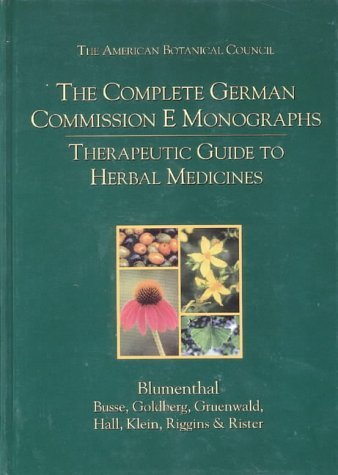
The Complete German Commission E Monograph: Blumenthal
... Germany has been using evidenced based herbal medicine for a long time. <strong>This book provides an English edition of the German E Commission Monographs</strong> a great resource for any practi
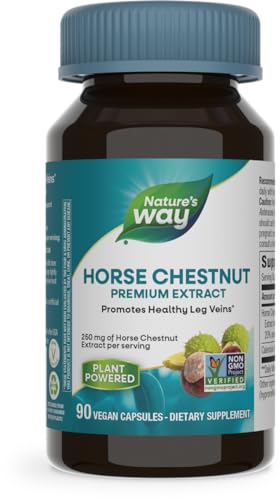
Nature's Way Horse Chestnut Extract, Premium Extract, Promotes Healthy Leg Veins*, 250 mg per Serving, Vegan, 90 Capsules (Packaging May Vary) : Everything Else
Nature's Way Horsechestnut (aesculus hippocastanum) extract <strong>provides aescin, a saponin that has been shown to support healthy tone to the veins of the lower extremities</strong>. Nature&#
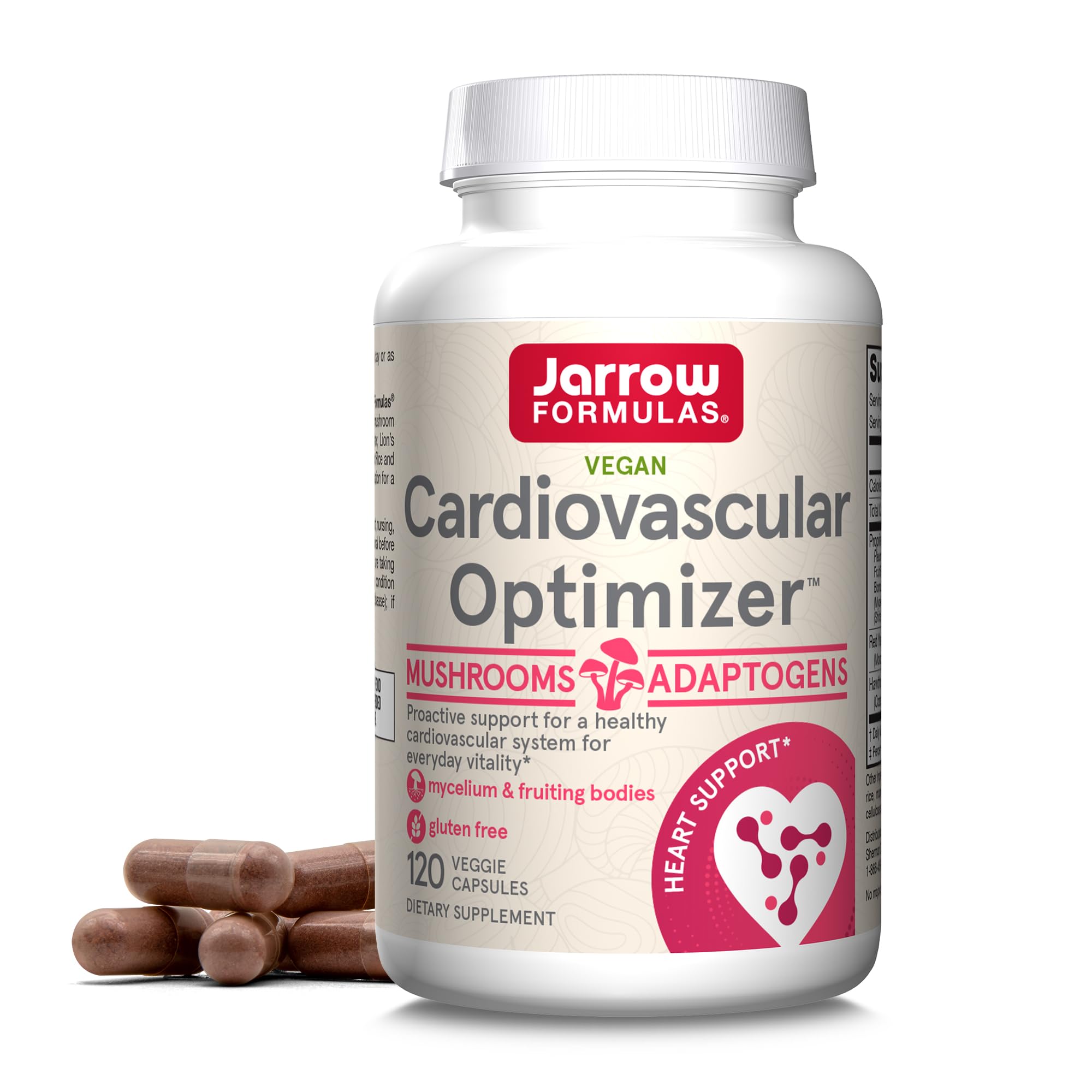
Jarrow Formulas Cardiovascular Optimizer with Lion's Mane, Reishi, Shiitake, and Blue Oyster Mushrooms, Dietary Supplement with Red Yeast Rice and Hawthorn Leaf, 120 Veggie Capsules, 30 Day Supply
Jarrow Formulas Cardiovascular Optimizer features <strong>a proprietary blend of mushrooms and adaptogens to promote normal blood circulation, cardiovascular system health and everyday vitality</stron
Evidence & Sources
Promising research with growing clinical support from multiple studies
- Cochrane Database of Systematic Reviews
- National Center for Complementary and Integrative Health (NCCIH)
- American Venous Forum
- Society for Vascular Surgery
- Phytomedicine
- International Angiology
- European Journal of Vascular and Endovascular Surgery
- World Health Organization (WHO)
- Journal of Vascular Surgery: Venous and Lymphatic Disorders
This content is for informational purposes only and does not constitute medical advice. Always consult a qualified healthcare provider before starting, stopping, or changing any supplement or medication regimen.