

Uterine Fibroids
Also known as: Fibroids, Leiomyomas
Overview
Uterine fibroids (also called leiomyomas or myomas) are common, noncancerous growths that arise from the muscular wall of the uterus. They vary widely in size, number, and location—including within the uterine wall, projecting outward from the uterus, or extending into the uterine cavity. Many people with fibroids have no symptoms at all, while others experience heavy or prolonged menstrual bleeding, pelvic pressure, urinary frequency, constipation, lower back discomfort, pain during sex, or fertility-related concerns. Their impact depends not only on size, but also on where they are located and how rapidly they grow.
Fibroids are among the most common gynecologic conditions in reproductive-age adults. Research indicates they are especially prevalent during the years when estrogen and progesterone are active, and they often stabilize or shrink after menopause. Studies also suggest important differences in burden across populations, with Black women experiencing fibroids more often, at younger ages, and sometimes with more severe symptoms than other groups. Although fibroids are benign, their effects on quality of life can be substantial, including fatigue related to heavy bleeding, disruption of work and daily activities, and stress around fertility or pregnancy.
From a biological perspective, fibroids are understood as hormone-responsive tumors influenced by genetic, inflammatory, vascular, and extracellular matrix changes. Rather than being a single uniform disease, fibroids represent a spectrum of growth patterns and symptom profiles. Some remain stable for years, while others enlarge or become clinically significant. Importantly, fibroids are not the same as uterine cancer, and cancer arising in what appears to be a fibroid is considered rare.
In integrative health discussions, uterine fibroids are often framed through the lenses of hormone balance, inflammation, circulation, and symptom relief. Conventional medicine focuses on diagnosis, monitoring, and medical or procedural management based on symptom severity and reproductive goals. Traditional systems such as Traditional Chinese Medicine (TCM), Ayurveda, and naturopathic medicine tend to interpret fibroids in broader patterns involving stagnation, excess tissue accumulation, constitutional factors, digestion, and menstrual balance. Across all frameworks, persistent heavy bleeding, rapid abdominal enlargement, significant pelvic pain, anemia, or fertility concerns generally warrant evaluation by a qualified healthcare professional.
Medical Perspectives
Two Ways of Seeing Health

Western
scientific · clinical
Western medicine applies science, technology, and clinical experience to treat symptoms through testing, diagnosis, and targeted intervention.

Eastern
traditional · alternative
Eastern medicine focuses on treating the body naturally by applying traditional knowledge practiced for thousands of years, emphasizing balance and whole-person wellness.
Gold Bamboo presents both perspectives side-by-side so you can make informed decisions. We don't advocate for one over the other — your health choices are yours.
Western Medicine Perspective
Western Medicine Perspective
In conventional gynecology, fibroids are classified by location—such as intramural, submucosal, and subserosal—because location strongly influences symptoms and reproductive effects. Diagnosis commonly relies on pelvic examination and imaging, especially ultrasound, with MRI used in selected cases for mapping or procedural planning. Western medicine recognizes that fibroids are driven in part by ovarian steroid hormones, particularly estrogen and progesterone signaling, but also by genetic mutations, growth factors, and abnormal deposition of extracellular matrix. Risk factors identified in research include reproductive age, family history, obesity, and racial disparities in incidence and severity.
Management in conventional care is individualized and may range from watchful monitoring for asymptomatic fibroids to medical therapies aimed at controlling bleeding or reducing fibroid size, and procedural options when symptoms are substantial. Medical approaches may include therapies used to reduce menstrual blood loss or alter hormonal stimulation. Procedure-based care can include uterine artery embolization, MRI-guided focused ultrasound, myomectomy, or hysterectomy, with the choice shaped by symptom burden, fibroid characteristics, age, fertility goals, and patient preference. Research suggests that some therapies are more effective for symptom control than for permanent resolution, and recurrence after uterus-sparing treatment can occur.
Conventional medicine also pays close attention to complications and associated conditions, including iron-deficiency anemia from heavy bleeding, pregnancy-related complications in some cases, and overlapping pelvic conditions such as adenomyosis or endometriosis. Importantly, not every pelvic symptom is caused by fibroids alone, which is why differential diagnosis matters. From an evidence-based standpoint, western medicine generally emphasizes validated imaging, symptom tracking, laboratory assessment when bleeding is heavy, and shared decision-making with a gynecologist or other qualified clinician.
Eastern & Traditional Perspective
Eastern / Traditional Medicine Perspective
In Traditional Chinese Medicine (TCM), uterine fibroids are not typically described as a single disease entity in classical terms, but are often interpreted within patterns such as Qi stagnation, Blood stasis, Phlegm accumulation, Dampness, and deficiencies involving the Spleen, Liver, or Kidneys. Heavy bleeding may be associated with failure of the body to contain blood, while palpable masses and fixed pelvic pain are often linked to stasis and obstruction. TCM assessment usually considers the whole pattern—menstrual characteristics, digestion, stress, sleep, temperature tendencies, tongue and pulse findings—rather than focusing only on the uterine mass itself. Traditional approaches have historically used herbal formulas, acupuncture, and lifestyle regulation with the aim of improving circulation, resolving accumulation, and supporting systemic balance.
In Ayurveda, fibroid-like conditions are commonly discussed in relation to granthi (abnormal growths) and imbalances involving Kapha (accumulation), Vata (pain, irregularity, movement), and sometimes Pitta (bleeding, heat, inflammation). Menstrual heaviness, pelvic pressure, and tissue overgrowth may be viewed as manifestations of impaired tissue metabolism and stagnation. Ayurvedic interpretation often includes attention to digestion, stress, reproductive tissue health, and constitutional tendencies. Traditional care may involve individualized herbal preparations, dietary frameworks, body therapies, and menstrual support practices, though formulations and rationale vary considerably by practitioner and lineage.
Naturopathic and integrative medicine often frame fibroids through broader themes such as estrogen metabolism, inflammation, liver detoxification pathways, insulin resistance, body composition, and environmental exposures, while also acknowledging the importance of conventional gynecologic evaluation. Research on complementary approaches remains limited and heterogeneous. Some studies suggest acupuncture or selected botanical therapies may help with symptoms such as pelvic pain or menstrual discomfort, but evidence for reliably shrinking fibroids or changing major clinical outcomes is still evolving. As a result, traditional and integrative approaches are generally best understood as supportive frameworks that may be explored alongside appropriate medical assessment, particularly when bleeding is heavy, anemia is present, or fertility is a concern.
Supplements & Products
Recommended Products
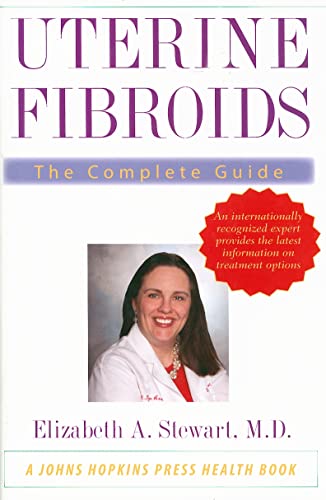
Uterine Fibroids: The Complete Guide (A Johns Hopkins Press Health Book): Stewart MD, Elizabeth A.
Elizabeth A. Stewart <strong>helps women understand the treatment options now available</strong>. An internationally recognized expert on fibroids, Dr. Stewart describes all the available medical and

Life Extension Decaffeinated Mega Green Tea Extract – Polyphenol-Rich, Cell Health, Heart Health, Brain Health, Antioxidant Protection – Non-GMO, Gluten-Free, Vegetarian – 100 Capsules
Pure Encapsulations Green Tea Extract (Decaffeinated) | Hypoallergenic Antioxidant Support for All Cells in The Body* | 60 Capsules · Life Extension Lightly Caffeinated Mega Green Tea Extract, Camelli
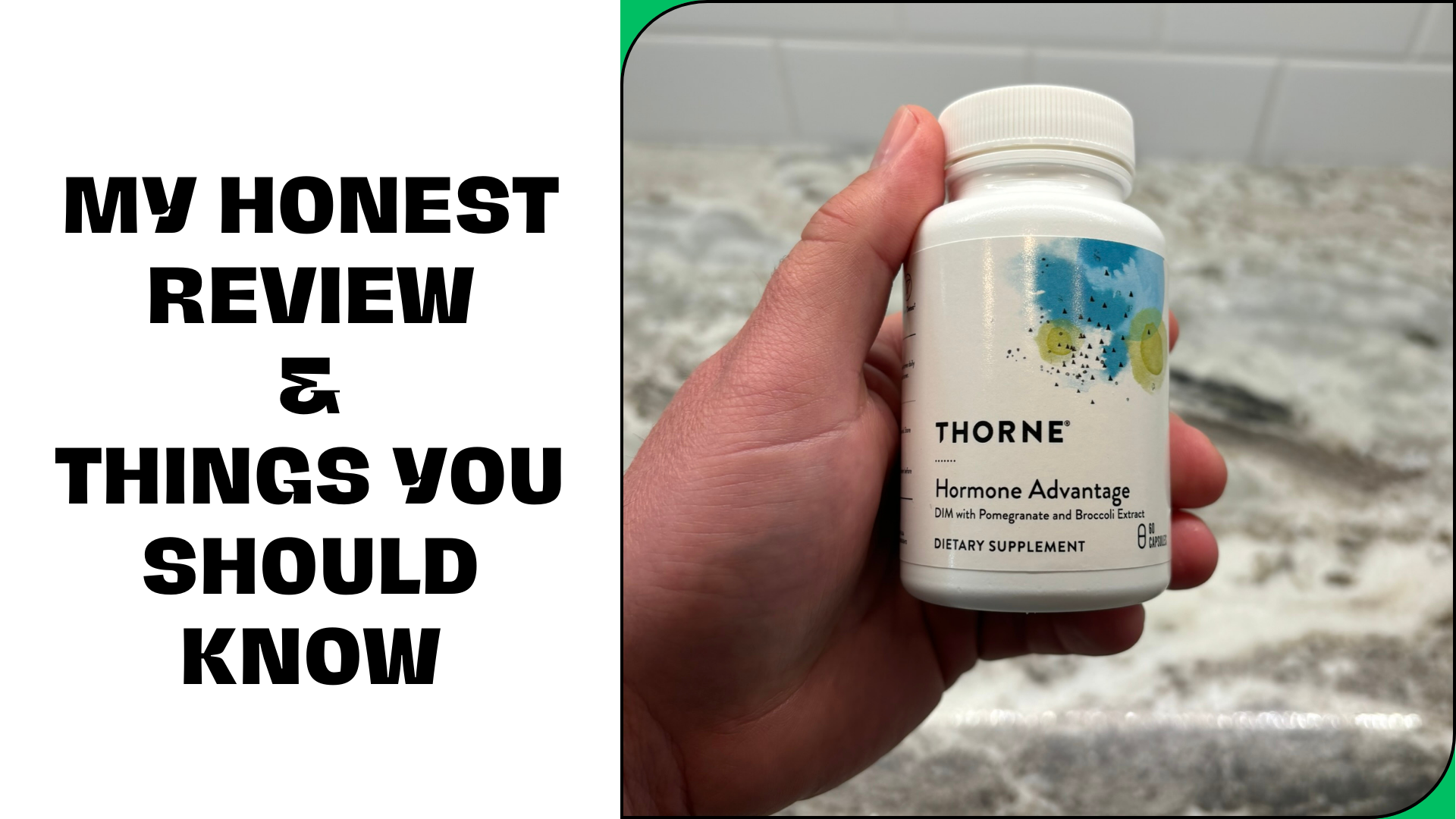
THORNE - Hormone Advantage - Estrogen Support & Hormone Balance for Men & Women* - Featuring DIM & Pomegranate Extract - Gluten, Dairy & Soy-Free - 60 Servings
Buy THORNE - Hormone Advantage - Estrogen Support & Hormone Balance for Men & Women* - Featuring DIM & Pomegranate Extract - Gluten, Dairy & Soy-Free - 60 Servings on Amazon.com ✓ FREE
Evidence & Sources
Promising research with growing clinical support from multiple studies
- American College of Obstetricians and Gynecologists (ACOG)
- National Institute for Health and Care Excellence (NICE)
- National Institutes of Health (NIH)
- National Center for Complementary and Integrative Health (NCCIH)
- New England Journal of Medicine
- Fertility and Sterility
- Obstetrics & Gynecology
- International Journal of Gynecology & Obstetrics
- World Health Organization (WHO)
This content is for informational purposes only and does not constitute medical advice. Always consult a qualified healthcare provider before starting, stopping, or changing any supplement or medication regimen.