

Urinary Incontinence
Overview
Urinary incontinence is the involuntary leakage of urine, a common condition that affects people across the lifespan but becomes more prevalent with age. It is not a single disease; rather, it is a symptom complex that can arise from changes in the bladder, pelvic floor, nerves, prostate, hormonal status, mobility, cognition, or medications. Major subtypes include stress incontinence (leakage with coughing, sneezing, or exertion), urge incontinence (leakage associated with a sudden, difficult-to-delay urge to urinate), mixed incontinence (features of both), overflow incontinence (leakage due to incomplete bladder emptying), and functional incontinence (urine leakage related to physical or cognitive barriers to toileting).
The condition is especially common among women after pregnancy, childbirth, and menopause, but it also affects men, particularly after prostate enlargement or prostate procedures, and many older adults of all sexes. Research suggests urinary incontinence is underreported because of embarrassment, normalization of symptoms, or the belief that it is an inevitable part of aging. In reality, while age-related changes may increase risk, incontinence is generally considered a treatable and manageable clinical issue rather than a normal condition that must simply be endured.
Urinary incontinence can significantly affect quality of life, sleep, physical activity, sexual health, emotional well-being, and social participation. It may also contribute to falls in older adults when urgency leads to rushing to the bathroom. Potential contributors include pelvic floor weakness, detrusor overactivity, neurologic disorders, obesity, constipation, chronic cough, urinary tract infection, prostate enlargement, diabetes, pregnancy-related tissue changes, and use of medications such as diuretics or sedatives. A careful medical evaluation is often used to clarify the subtype, identify reversible factors, and distinguish uncomplicated symptoms from warning signs such as blood in the urine, recurrent infections, pelvic masses, severe pain, or neurologic deficits.
From a broad health perspective, urinary incontinence sits at the intersection of urology, gynecology, geriatrics, rehabilitation, neurology, and integrative medicine. Conventional medicine emphasizes classification, functional assessment, and graded management strategies, while traditional systems often frame symptoms through patterns of organ-system imbalance, weakness, stagnation, or depletion. Both perspectives generally recognize that the condition is multifactorial and that meaningful improvement often depends on understanding the specific pattern behind the leakage rather than treating all incontinence as the same problem.
Medical Perspectives
Two Ways of Seeing Health

Western
scientific · clinical
Western medicine applies science, technology, and clinical experience to treat symptoms through testing, diagnosis, and targeted intervention.

Eastern
traditional · alternative
Eastern medicine focuses on treating the body naturally by applying traditional knowledge practiced for thousands of years, emphasizing balance and whole-person wellness.
Gold Bamboo presents both perspectives side-by-side so you can make informed decisions. We don't advocate for one over the other — your health choices are yours.
Western Medicine Perspective
Western Medicine Perspective
In conventional medicine, urinary incontinence is understood through the anatomy and physiology of the lower urinary tract and pelvic support structures. Normal continence depends on coordinated bladder storage, urethral closure, pelvic floor support, intact nerve signaling, and the ability to reach a toilet in time. Stress incontinence is commonly linked to urethral hypermobility or intrinsic sphincter deficiency; urge incontinence is often associated with overactive bladder and involuntary bladder muscle contractions; overflow incontinence may result from bladder outlet obstruction or impaired detrusor contractility; and functional incontinence may reflect limitations in mobility, dexterity, vision, or cognition. Evaluation typically includes history, fluid and voiding patterns, medication review, pelvic or prostate assessment, urinalysis, and sometimes bladder diaries, post-void residual measurement, urodynamic testing, or imaging when clinically indicated.
Studies indicate that pelvic floor muscle training, bladder training, scheduled voiding, weight reduction in appropriate populations, and management of contributing factors such as constipation or chronic cough are central nonpharmacologic approaches. Medications may be used in selected cases, particularly for urgency-related symptoms, though side effects and patient-specific risks are important considerations. Devices, procedural therapies, neuromodulation, injections, or surgery may be considered for some forms of incontinence, especially stress incontinence or refractory urgency symptoms. In frail older adults, care plans often emphasize symptom reduction, skin protection, fall prevention, caregiver support, and maintenance of dignity and function.
A key feature of the western approach is attention to red flags and underlying disease. Urinary incontinence can sometimes signal urinary tract infection, severe pelvic organ prolapse, prostate obstruction, neurologic disease, fistula, or medication-related effects. As a result, clinicians generally aim to identify whether symptoms are uncomplicated or whether further workup is needed. Research also highlights the importance of individualized care, since treatment response varies based on subtype, sex, age, childbirth history, menopause status, prostate conditions, neurologic status, and overall health.
Eastern & Traditional Perspective
Eastern and Traditional Medicine Perspective
In Traditional Chinese Medicine (TCM), urinary incontinence is often interpreted as a disorder of the body’s ability to regulate and contain fluids, with patterns commonly involving Kidney qi deficiency, Spleen qi sinking, Lung qi deficiency, or damp-heat in the lower burner, depending on the symptom pattern. Leakage with fatigue or weak pelvic support may be viewed through deficiency and sinking patterns, while urgency, frequency, or burning may be interpreted as heat or damp-heat disturbing bladder function. Traditional assessment focuses not only on urine symptoms but also on constitutional signs such as energy level, temperature preference, low back weakness, digestion, emotional strain, tongue appearance, and pulse qualities.
TCM and related East Asian systems have traditionally used acupuncture, moxibustion, herbal formulas, and pelvic-supportive lifestyle practices to address these patterns. Some modern clinical research suggests acupuncture may have potential benefit for certain forms of urinary incontinence, particularly urgency-related symptoms and overactive bladder, though study quality is mixed and mechanisms remain under investigation. Proposed mechanisms include modulation of autonomic function, pelvic floor neuromuscular activity, and bladder sensory signaling. However, evidence is not uniform, and integrative use is generally discussed in the context of broader care rather than as a standalone definitive solution.
In Ayurveda, urinary disorders may be understood through imbalances in Apana Vata, tissue weakness, aging-related decline, or disturbances in urinary channels. Traditional frameworks often consider digestion, vitality, muscle tone, reproductive health, and nervous system balance together rather than isolating the bladder alone. Naturopathic and holistic traditions likewise emphasize identifying contributing factors such as inflammation, constipation, pelvic floor dysfunction, stress reactivity, and lifestyle patterns. Across these systems, urinary incontinence is typically seen as a sign of broader functional imbalance, and traditional therapies are commonly framed as supportive measures that may complement conventional evaluation—especially because persistent leakage can sometimes reflect structural, neurologic, or infectious causes that require medical assessment.
Supplements & Products
Recommended Products
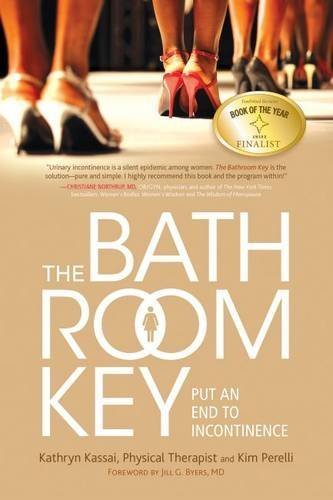
The Bathroom Key: Put an End to Incontinence: Kassai PT CES, Kathryn, Perelli, Kim
"Physical therapist Kassai and Perelli, who successfully treated her incontinence with the suggestions in this book, <strong>describe normal bladder function and four types of incontinence and th

Elvie - App Controlled Women's Pelvic Floor Trainer, Smart Kegel Exerciser - Body Safe Muscle Strengthener Equipment
Designed for Women, by Women: Your Elvie Trainer will come with an optional cover for custom sizing and is designed to fit all body shapes. ... Perifit Care + | Pelvic Floor Exerciser with App | Kegel
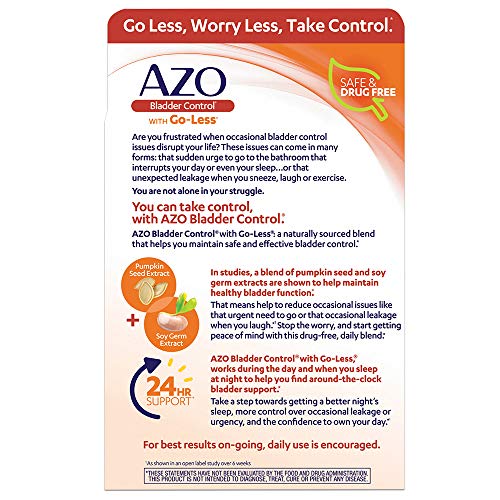
AZO Bladder Control with Go-Less Daily Supplement | Helps Reduce Occasional Urgency* | Helps reduce occasional leakage due to laughing, sneezing and exercise | 54 Count Capsules
NATURALLY-SOURCED INGREDIENTS: AZO Bladder Control is <strong>sourced from pumpkin seed and soy germ</strong>
Evidence & Sources
Promising research with growing clinical support from multiple studies
- International Continence Society
- American Urological Association
- National Institute of Diabetes and Digestive and Kidney Diseases (NIDDK)
- National Institute for Health and Care Excellence (NICE)
- Cochrane Database of Systematic Reviews
- The Lancet
- JAMA
- National Center for Complementary and Integrative Health (NCCIH)
This content is for informational purposes only and does not constitute medical advice. Always consult a qualified healthcare provider before starting, stopping, or changing any supplement or medication regimen.