

Trigeminal Neuralgia
Also known as: TN, Facial Neuralgia
Overview
Trigeminal neuralgia is a chronic pain condition involving the trigeminal nerve, the major sensory nerve of the face. It is classically characterized by sudden, intense, shock-like or stabbing facial pain, often affecting one side of the face and commonly involving the cheek, jaw, teeth, gums, or lips. Episodes may last seconds to minutes, but can recur in clusters and significantly disrupt speaking, eating, brushing teeth, or even exposure to wind or light touch. Because the pain can be so severe and intermittent, trigeminal neuralgia is often considered one of the most distressing neuropathic pain disorders.
The condition is relatively uncommon, but its impact on quality of life can be profound. Trigeminal neuralgia is seen more often in older adults and appears somewhat more common in women. In many cases, symptoms are linked to compression of the trigeminal nerve root by a nearby blood vessel, though some cases are associated with multiple sclerosis, structural lesions, or no clearly identifiable cause. Clinicians sometimes distinguish between “classic” trigeminal neuralgia, often related to neurovascular compression, and forms with more continuous aching or burning pain that may reflect broader neuropathic mechanisms.
From a broader health perspective, trigeminal neuralgia sits at the intersection of neurology, pain medicine, and integrative care. Conventional medicine focuses on diagnosis, exclusion of other causes of facial pain, and symptom management through medications or procedures. At the same time, some individuals explore complementary approaches aimed at pain coping, autonomic regulation, sleep support, and stress reduction, particularly because recurrent severe pain can affect mood, appetite, and daily function. Research on complementary therapies is still developing, and these approaches are generally discussed as supportive rather than curative.
Because facial pain can also result from dental disease, temporomandibular disorders, sinus conditions, cluster headache, post-herpetic neuralgia, or other neurologic disorders, accurate diagnosis is essential. Persistent or severe facial pain warrants evaluation by a qualified healthcare professional, especially when symptoms are new, changing, associated with numbness, weakness, hearing changes, or vision symptoms.
Compare Treatment Options
Trigeminal neuralgia (TN) is a neuropathic facial pain disorder involving the trigeminal nerve, the main sensory nerve of the face. It is best known for sudden, severe, electric shock-like or stabbing attacks of pain, often triggered by everyday activities such as chewing, talking, brushing teeth, shaving, or even a light breeze. In many cases, the pain affects one side of the face and may involve the cheek, jaw, teeth, lips, or less commonly the eye and forehead. While some cases are linked to vascular compression of the nerve, others may relate to multiple sclerosis, structural causes, or remain idiopathic. Treatment options vary because TN can differ greatly in pattern, severity, underlying cause, and impact on daily life. In conventional care, medications such as carbamazepine or oxcarbazepine are often used first, while procedures or surgery may be considered when pain is frequent, medication side effects are limiting, or imaging suggests a compressive cause. In integrative and East-West care models, approaches such as acupuncture and mind-body regulation are sometimes explored as adjuncts, particularly when muscle tension, stress reactivity, sleep disruption, or medication burden are part of the overall picture. The evidence base is strongest for standard neurologic treatments, while complementary options generally have more limited or mixed evidence and are usually considered supportive rather than definitive.
View treatment comparison (6 options)Medical Perspectives
Two Ways of Seeing Health

Western
scientific · clinical
Western medicine applies science, technology, and clinical experience to treat symptoms through testing, diagnosis, and targeted intervention.

Eastern
traditional · alternative
Eastern medicine focuses on treating the body naturally by applying traditional knowledge practiced for thousands of years, emphasizing balance and whole-person wellness.
Gold Bamboo presents both perspectives side-by-side so you can make informed decisions. We don't advocate for one over the other — your health choices are yours.
Western Medicine Perspective
Western / Conventional Medicine Perspective
In conventional medicine, trigeminal neuralgia is understood primarily as a neuropathic pain syndrome involving irritation or dysfunction of the fifth cranial nerve. The leading theory in classic cases is focal demyelination caused by pulsatile compression from an artery or vein near the brainstem, which may make the nerve hyperexcitable and prone to generating pain signals from minimal stimuli. Secondary trigeminal neuralgia may arise in the setting of multiple sclerosis, tumors, vascular malformations, or other structural abnormalities, which is why imaging is often part of evaluation.
Diagnosis is generally based on the characteristic symptom pattern and neurologic assessment, often supported by MRI to look for vascular compression or alternative causes. Conventional care typically centers on medications used for neuropathic pain, especially sodium-channel–modulating anticonvulsants such as carbamazepine or oxcarbazepine, which have historically been first-line therapies in many guidelines. In cases where medications are not effective, not tolerated, or lose benefit over time, procedural options may be considered, including microvascular decompression, stereotactic radiosurgery, or percutaneous interventions that target pain transmission in the nerve.
From an evidence-based standpoint, conventional management has the strongest research support for pharmacologic and surgical approaches, though each carries limitations, side effects, or procedure-related risks. Supportive strategies such as psychological coping tools, sleep optimization, and multidisciplinary pain care may also play a role, particularly for individuals with chronic distress, anticipatory anxiety, or overlapping pain conditions. Integrative therapies are sometimes used as adjuncts, but research quality is variable, and they are not generally viewed as replacements for neurologic assessment or established treatment pathways.
Eastern & Traditional Perspective
Eastern / Traditional Medicine Perspective
In Traditional Chinese Medicine (TCM), facial pain syndromes resembling trigeminal neuralgia are often interpreted through patterns such as wind invasion, qi and blood stagnation, liver yang rising, phlegm obstruction, or channel blockage affecting the face and head meridians. The emphasis is less on a single nerve lesion and more on disrupted flow, heightened reactivity, and constitutional imbalance. Traditional approaches may include acupuncture, moxibustion, herbal formulas, and lifestyle pattern assessment, with the goal of calming pain, improving circulation, and regulating the nervous system. Some modern studies suggest acupuncture may help certain neuropathic pain conditions, but evidence specific to trigeminal neuralgia remains mixed and methodologically limited.
In Ayurveda, severe facial pain may be viewed through the lens of vata imbalance, particularly when symptoms are sharp, sudden, and episodic. Traditional frameworks may also consider tissue depletion, nerve irritation, and the role of stress or systemic imbalance in amplifying pain perception. Approaches discussed in Ayurvedic practice can include herbal preparations, oil-based therapies, dietary balancing, and restorative routines intended to calm vata and support resilience. However, rigorous clinical evidence for these approaches in trigeminal neuralgia is limited, and standardization across studies is often lacking.
In naturopathic and integrative medicine, the condition may be approached with attention to the broader context of inflammation, nervous system sensitivity, sleep disruption, mental stress, and quality of life. Mind-body practices, relaxation techniques, gentle breathwork, and supportive nutritional assessment may be discussed as ways to reduce the secondary burden of living with recurrent pain. These approaches are generally framed as complementary and individualized. Across traditional systems, a common theme is supporting the whole person rather than focusing solely on the pain pathway, while recognizing that severe facial pain still requires careful medical evaluation.
Supplements & Products
Recommended Products
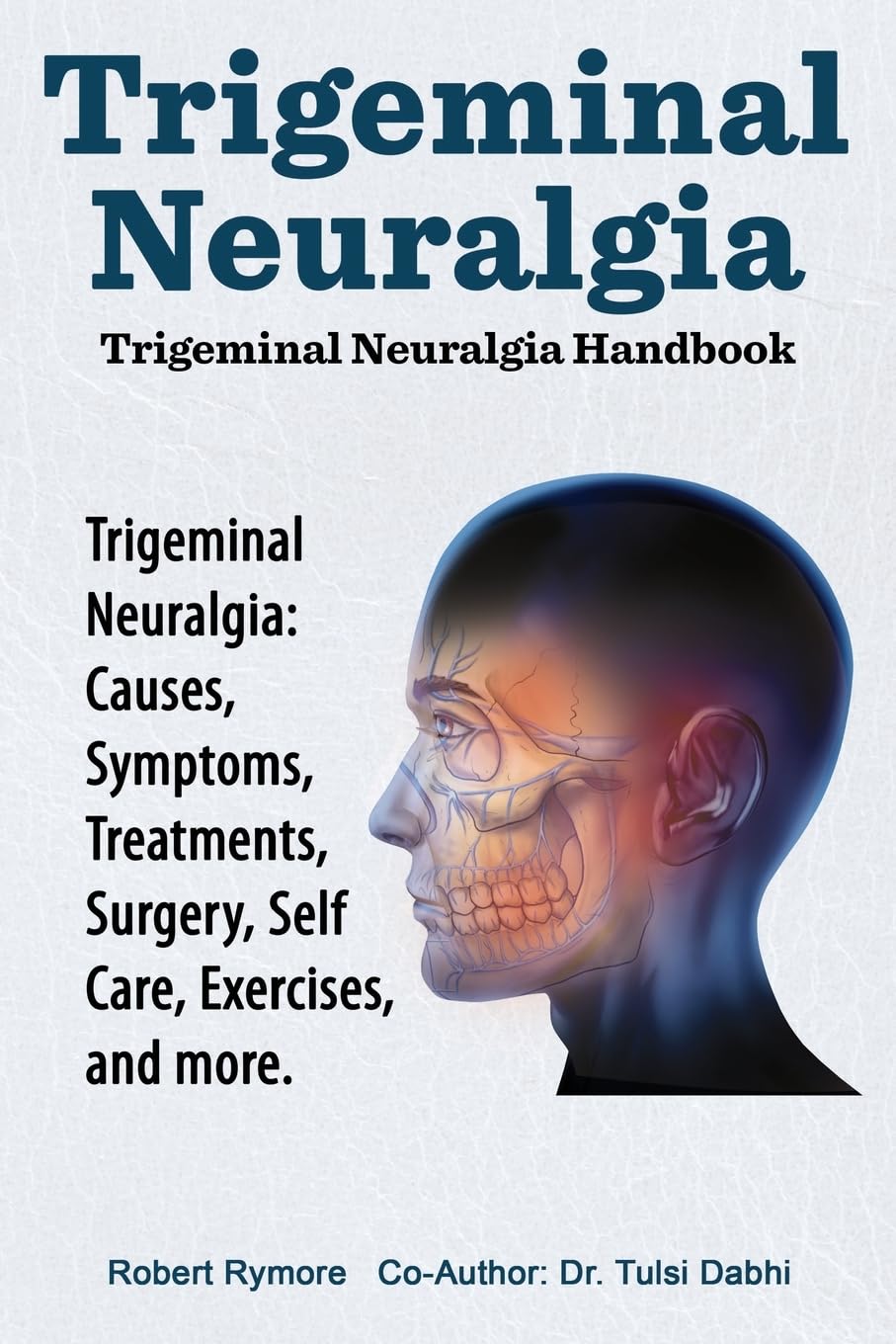
Striking Back: The Trigeminal Neuralgia Handbook (Unabridged): Weigel, George, Casey, Kenneth L.
Striking Back: The Trigeminal Neuralgia Handbook (Unabridged) [Weigel, George, Casey, Kenneth L.] on Amazon.com. *FREE* shipping on qualifying offers. Striking Back: The Trigeminal Neuralgia Handbook

Doctor's Best Alpha Lipoic Acid Supplement 600mg - Alpha-Lipoic Acid Caps for Men & Women, ALA Antioxidant Support for Nerve Health, Aids in Cellular Function, Non GMO, Gluten Free - 60 Veg Capsules
SUPPORTS ANTIOXIDANT FUNCTION: ... · HIGH POTENCY 600 MG: <strong>Each capsule delivers a full 600mg dose of alpha lipoic acid in a vegan-friendly formula that is non-GMO, gluten free, and soy free</s
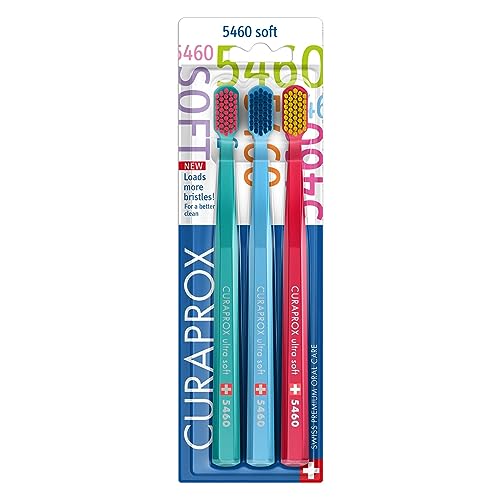
Curaprox CS 5460 Ultra-Soft Toothbrush – for Sensitive Teeth & Gums | Gentle Plaque Removal | 3-Pack |Random Colour
5,460 ultra-soft <strong>Curen filaments for extra dense brush head</strong>. A small brush head reaches the hard-to-reach areas more effectively, brushing is more precise and the entire tooth surface
Evidence & Sources
Promising research with growing clinical support from multiple studies
- American Academy of Neurology (AAN) and European Academy of Neurology guidelines on trigeminal neuralgia
- National Institute of Neurological Disorders and Stroke (NINDS)
- National Center for Complementary and Integrative Health (NCCIH)
- The Lancet Neurology
- BMJ Clinical Evidence / BMJ Best Practice
- Journal of Neurology, Neurosurgery & Psychiatry
- Cochrane Reviews
- International Association for the Study of Pain (IASP)
This content is for informational purposes only and does not constitute medical advice. Always consult a qualified healthcare provider before starting, stopping, or changing any supplement or medication regimen.