

Thyroid Nodules
Overview
Thyroid nodules are discrete growths or lumps that form within the thyroid gland, a butterfly-shaped organ at the front of the neck that helps regulate metabolism, energy use, temperature, and many hormonal processes. They are common, especially with increasing age, and many are found incidentally during imaging done for unrelated reasons. Most thyroid nodules are benign and may cause no symptoms at all, but a smaller proportion can be associated with thyroid hormone imbalance, local compressive symptoms, or thyroid cancer.
Nodules may be solid, cystic, or mixed, and they can occur as a single nodule or as part of a multinodular thyroid. Some people notice a visible neck lump, throat fullness, hoarseness, difficulty swallowing, or a sensation of pressure, while others have no outward signs. In some cases, a nodule may produce excess thyroid hormone, contributing to symptoms such as palpitations, heat intolerance, tremor, or weight changes. Because thyroid structure and thyroid function are related but not identical, a person may have nodules with normal thyroid hormone levels.
From a public health perspective, thyroid nodules are significant because they are frequent, often anxiety-provoking, and occasionally clinically important. The central medical questions are typically whether a nodule is benign or malignant, whether it affects thyroid function, and whether it is causing symptoms due to size or location. Modern evaluation commonly combines physical examination, thyroid function testing, ultrasound, and sometimes fine-needle aspiration biopsy. This layered approach helps distinguish nodules that can be monitored from those that warrant closer assessment.
Interest in natural thyroid health support often centers on nutrition, stress, inflammation, and whole-body endocrine balance. At the same time, thyroid nodules are a topic where careful diagnosis is particularly important, because “natural support” and structural thyroid evaluation are not interchangeable. Research suggests that factors such as iodine intake, autoimmune thyroid disease, radiation exposure, sex, age, and family history may influence risk or thyroid health context. Any discussion of supportive lifestyle or traditional approaches is best understood as complementary to appropriate medical assessment, especially when a nodule is new, enlarging, or associated with voice changes or swallowing difficulty.
Medical Perspectives
Two Ways of Seeing Health

Western
scientific · clinical
Western medicine applies science, technology, and clinical experience to treat symptoms through testing, diagnosis, and targeted intervention.

Eastern
traditional · alternative
Eastern medicine focuses on treating the body naturally by applying traditional knowledge practiced for thousands of years, emphasizing balance and whole-person wellness.
Gold Bamboo presents both perspectives side-by-side so you can make informed decisions. We don't advocate for one over the other — your health choices are yours.
Western Medicine Perspective
Western Medicine Perspective
In conventional medicine, thyroid nodules are approached primarily through risk stratification and diagnostic clarification. The first goal is to determine whether the nodule is associated with abnormal thyroid function; the second is to estimate the likelihood of malignancy. Blood testing often includes thyroid-stimulating hormone (TSH), and imaging with thyroid ultrasound is considered central because ultrasound characteristics can help identify suspicious or reassuring patterns. Depending on size and sonographic features, clinicians may use fine-needle aspiration (FNA) to obtain cells for cytologic evaluation.
Studies indicate that only a minority of thyroid nodules are cancerous, but the possibility is important enough that structured evaluation is standard. Conventional endocrinology pays close attention to features such as microcalcifications, irregular margins, taller-than-wide shape, abnormal lymph nodes, rapid growth, prior radiation exposure, and family history of thyroid cancer or related syndromes. For nodules that are benign on biopsy and not causing symptoms, an observational approach with periodic follow-up imaging is common. For nodules causing hyperthyroidism, compressive symptoms, or concerning cytology, management may include additional imaging, surgery, radiofrequency ablation in selected settings, or other endocrine interventions.
Western medicine also recognizes broader thyroid context. Thyroid nodules can coexist with Hashimoto thyroiditis, iodine imbalance, multinodular goiter, or autonomous hormone-producing nodules. Nutritional factors are discussed carefully: both iodine deficiency and excess may affect thyroid physiology, and research on selenium and other micronutrients is mixed and condition-specific rather than universally applicable. Because over-the-counter “thyroid support” products may contain variable iodine amounts or undeclared thyroid-active substances, conventional sources generally emphasize caution and professional evaluation rather than self-directed supplementation.
Overall, the conventional model views thyroid nodules as a structural thyroid finding requiring individualized assessment, not a single disease entity. The strongest evidence supports standardized diagnosis, imaging-based follow-up, and biopsy criteria developed by endocrine and radiology societies. Complementary health measures may be relevant to general well-being, but they do not replace the need to evaluate for malignancy or thyroid dysfunction.
Eastern & Traditional Perspective
Eastern / Traditional Medicine Perspective
In Traditional Chinese Medicine (TCM), thyroid nodules are not usually framed as a single disease category identical to modern pathology, but are often interpreted through patterns such as phlegm accumulation, qi stagnation, blood stasis, and disharmony involving the Liver, Spleen, and Kidney systems. A palpable neck mass may be understood as arising from long-standing stagnation and congealing of fluids, sometimes influenced by emotional stress, constitutional weakness, or impaired transformation and transport of bodily fluids. Traditional assessment focuses on pattern differentiation rather than only the physical nodule itself.
TCM literature has traditionally used acupuncture, herbal formulas, and dietary regulation concepts in the broader management of throat masses or “phlegm nodulation” patterns. Research in this area exists, but much of it remains heterogeneous in quality, with variations in diagnosis, formula composition, and outcome measures. As a result, while traditional use is longstanding, modern evidence is still developing, particularly for objective outcomes such as reduction in nodule size, prevention of progression, or changes in biopsy-defined risk.
In Ayurveda, thyroid nodules may be interpreted through imbalances involving kapha (growth, heaviness, accumulation), sometimes alongside vata obstruction or altered metabolic fire (agni). Ayurvedic thinking may place emphasis on tissue metabolism, lymphatic stagnation, digestive function, and the systemic terrain in which abnormal growths arise. Classical frameworks do not map perfectly onto modern thyroid pathology, but they often approach these conditions holistically, with attention to constitution, diet, stress, and detoxification concepts.
Naturopathic and integrative traditions often discuss thyroid nodules in relation to inflammation, micronutrient balance, environmental exposures, and endocrine resilience. These approaches may explore sleep, stress physiology, nutrient status, and dietary patterns as supportive factors for overall thyroid health. However, a balanced view is important: traditional and integrative systems may contribute to symptom support and whole-person care, but any neck mass or thyroid nodule still warrants appropriate medical evaluation to clarify whether it is benign, hormonally active, or suspicious for malignancy.
Supplements & Products
Recommended Products
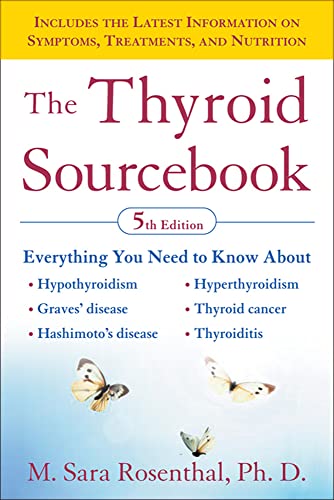
The Thyroid Sourcebook (5th Edition): Rosenthal, M. Sara
M. Sara Rosenthal ... The New York Times called this book "<strong>an excellent source of information</strong>." The Thyroid Sourcebook features patient narratives; information on the compli
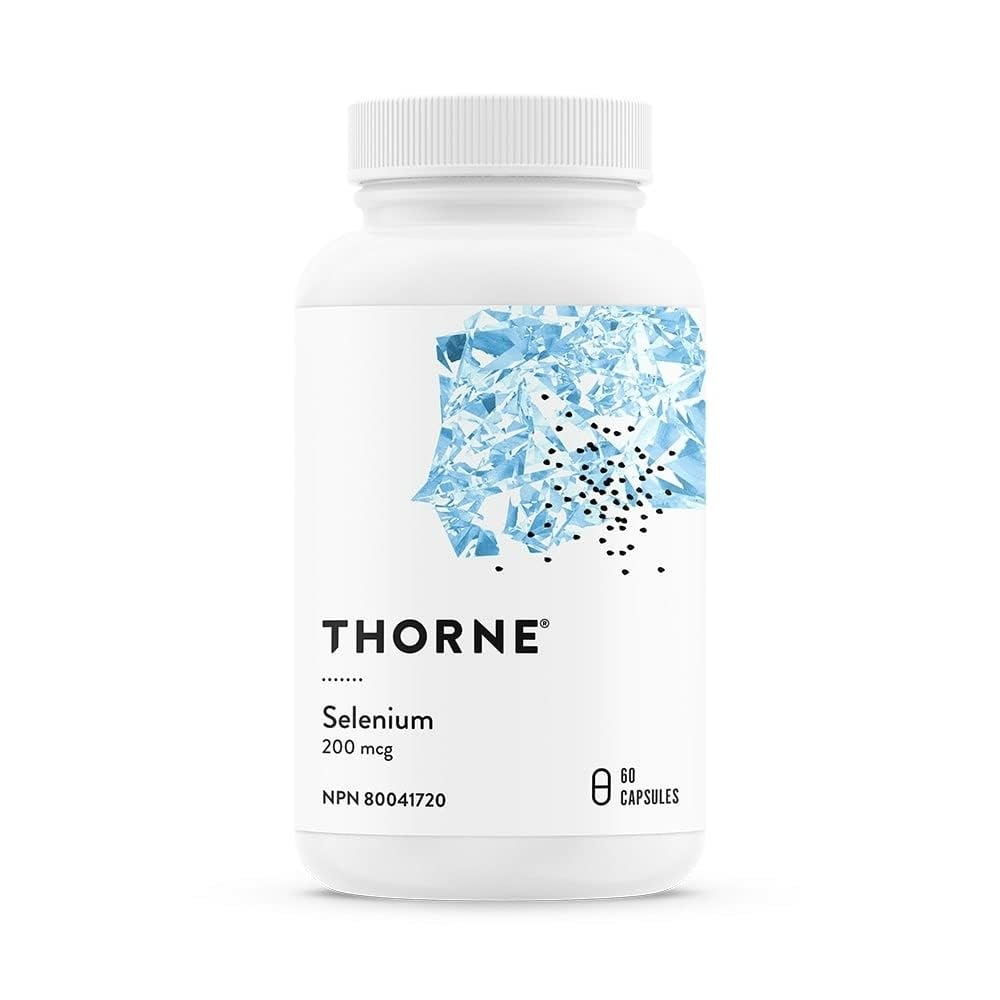
THORNE - Selenium - 200 mcg Selenium Supplement for Antioxidant Support* - 60 Capsules : Everything Else
One Capsule Contains: Selenium (as L-Selenomethionine) 200 mcg.

HERITAGE STORE Wool Flannel for Castor Oil Pack Wrap - Reusable, Absorbent Wool Flannel Fabric for Castor Oil Packs - Castor Oil Compress for Abdomen, Joints - Cruelty Free, 12 x 27 in
HERITAGE STORE Organic Castor Oil Pack Wrap Kit - <strong>Soothing Castor Oil Packs, Heat Compress for Abdomen, Joints, Overall Health</strong> - 16oz Cold Pressed Organic Castor Oil and 12 x 27 in. W
Evidence & Sources
Promising research with growing clinical support from multiple studies
- American Thyroid Association Guidelines
- American College of Radiology TI-RADS
- National Institute of Diabetes and Digestive and Kidney Diseases (NIDDK)
- National Cancer Institute
- World Health Organization
- NCCIH (National Center for Complementary and Integrative Health)
- The Lancet Diabetes & Endocrinology
- Thyroid
This content is for informational purposes only and does not constitute medical advice. Always consult a qualified healthcare provider before starting, stopping, or changing any supplement or medication regimen.