

Thyroid Disorders (Hypothyroidism, Hyperthyroidism, Autoimmune Thyroid Disease)
Overview
Thyroid disorders are a broad group of conditions affecting the thyroid gland, a small butterfly-shaped organ in the neck that helps regulate metabolism, energy use, temperature balance, heart function, digestion, mood, and many aspects of growth and hormonal signaling. The major categories include hypothyroidism (underactive thyroid), hyperthyroidism (overactive thyroid), and autoimmune thyroid disease, most commonly Hashimoto’s thyroiditis and Graves’ disease. Thyroid dysfunction is common worldwide and occurs across the lifespan, with higher prevalence in women and increased frequency with age. Iodine intake, genetics, pregnancy-related changes, autoimmune activity, medications, and environmental factors can all influence thyroid health.
In hypothyroidism, thyroid hormone production is insufficient for the body’s needs. This may contribute to symptoms such as fatigue, cold intolerance, constipation, dry skin, menstrual changes, slowed heart rate, cognitive slowing, and weight change. In hyperthyroidism, excess thyroid hormone may contribute to heat intolerance, anxiety, tremor, palpitations, diarrhea, sleep disturbance, muscle weakness, and unintended weight loss. Some people also develop a visible thyroid enlargement (goiter) or eye-related findings, particularly in Graves’ disease. Because symptoms can overlap with many other conditions, laboratory evaluation is central to diagnosis.
Autoimmune thyroid disease is a major cause of both low and high thyroid function. In Hashimoto’s thyroiditis, immune-mediated inflammation gradually damages thyroid tissue and often leads to hypothyroidism. In Graves’ disease, antibodies stimulate the thyroid gland, leading to hyperthyroidism and, in some cases, thyroid eye disease. Autoimmune thyroid conditions may coexist with other immune-mediated disorders, and their expression may vary over time, including periods of fluctuating thyroid function.
Thyroid disorders matter clinically because untreated dysfunction can affect cardiovascular health, fertility, pregnancy outcomes, bone metabolism, cholesterol levels, mood, and overall quality of life. Severe untreated hypothyroidism or hyperthyroidism can lead to rare but serious complications. At the same time, many thyroid conditions are manageable when recognized and monitored appropriately. Conventional care typically relies on hormone testing, antibody assessment, imaging when indicated, and condition-specific management, while traditional systems often view thyroid imbalance through broader patterns involving metabolism, stress, digestion, vitality, and systemic regulation. Anyone with suspected thyroid disease, medication use, pregnancy, or complex symptoms generally benefits from evaluation by a qualified healthcare professional.
Western Medicine Perspective
Western Medicine Perspective
In conventional medicine, thyroid disorders are understood primarily through endocrinology, with emphasis on the hypothalamic-pituitary-thyroid axis and measurements of thyroid-stimulating hormone (TSH), free thyroxine (free T4), and sometimes triiodothyronine (T3). Hypothyroidism is often caused by Hashimoto’s thyroiditis, thyroid surgery, radioactive iodine treatment, certain medications, or iodine imbalance. Hyperthyroidism is commonly caused by Graves’ disease, toxic multinodular goiter, thyroiditis, or autonomous thyroid nodules. Diagnosis may also include testing for thyroid peroxidase antibodies, thyroglobulin antibodies, or TSH receptor antibodies, along with thyroid ultrasound or radioactive iodine uptake studies in selected cases.
Research and clinical guidelines indicate that untreated thyroid dysfunction can influence multiple organ systems. Hypothyroidism has been associated with elevated LDL cholesterol, menstrual and fertility changes, depression, cognitive symptoms, and, in severe cases, myxedema-related complications. Hyperthyroidism may increase the risk of atrial fibrillation, bone loss, muscle wasting, and in severe circumstances thyrotoxic crisis. Special attention is given in pregnancy, infancy, and older adulthood because even mild abnormalities may carry meaningful consequences depending on context.
Conventional management depends on the specific disorder and its severity. Standard approaches may include thyroid hormone replacement for overt hypothyroidism, and for hyperthyroidism may involve antithyroid medications, radioactive iodine, or surgical management. Autoimmune thyroid disease is not usually treated by targeting autoimmunity directly unless there are associated complications; instead, treatment typically focuses on restoring normal thyroid function and monitoring antibodies, gland structure, and related effects when clinically relevant. Ongoing follow-up is often important because dose needs, disease activity, and symptoms can change over time.
Evidence is strongest for the diagnostic accuracy of laboratory testing and for standard medical therapies in clearly defined thyroid disease. Interest also exists in nutrition, selenium status, vitamin D, gut-immune interactions, and quality-of-life issues in patients whose symptoms persist despite normalized laboratory values. These areas remain active topics of research, but interpretation varies, and individualized medical assessment is important.
Eastern & Traditional Perspective
Eastern and Traditional Medicine Perspective
In Traditional Chinese Medicine (TCM), thyroid disorders are generally not classified as a single disease entity but are interpreted through broader patterns such as Qi deficiency, Yang deficiency, Yin deficiency, phlegm accumulation, Liver Qi stagnation, or Kidney and Spleen imbalance. A presentation resembling hypothyroidism may be understood in relation to reduced warming and transformative function, often involving Spleen and Kidney Yang deficiency with fatigue, coldness, edema, and sluggish digestion. A presentation resembling hyperthyroidism may be framed as Yin deficiency with empty heat, Liver fire, or phlegm-heat disturbing the system, particularly when palpitations, irritability, tremor, insomnia, and heat signs are prominent. Goiter-like swelling has long been described in classical East Asian medicine and may be linked to phlegm, stagnation, and nodal accumulation.
TCM approaches have traditionally included herbal formulas, acupuncture, dietary patterning, and regulation of stress and sleep, with the goal of restoring systemic balance rather than directly altering a single hormone level. Modern research has explored acupuncture and integrative herbal protocols as adjunctive approaches for symptom burden, autoimmune markers, and quality of life in thyroid-related conditions, but study quality is variable and heterogeneity is substantial. As a result, findings are considered suggestive rather than definitive in most areas.
In Ayurveda, thyroid dysfunction is often interpreted through disturbances in agni (metabolic fire), ama (accumulated metabolic byproducts), and doshic patterns involving Kapha, Vata, and Pitta. Hypothyroid-type patterns may be associated with sluggish metabolism and Kapha predominance, while hyperthyroid-type patterns may be linked to excess Pitta or Vata-Pitta imbalance with overstimulation, heat, and depletion. Ayurvedic care has traditionally emphasized constitutional assessment, digestion, daily routine, stress regulation, botanical preparations, and food energetics. Naturopathic and other traditional systems similarly tend to view thyroid conditions within a wider network involving nutrition, immune balance, environmental load, and neuroendocrine stress responses.
From an integrative standpoint, traditional systems may offer frameworks for understanding symptom patterns, resilience, and whole-person care, particularly around fatigue, digestion, mood, and stress. However, because thyroid disorders can have significant cardiovascular, reproductive, skeletal, and metabolic consequences, traditional approaches are generally discussed as complementary frameworks rather than replacements for appropriate medical evaluation, laboratory monitoring, and specialist care when needed.
Supplements & Products
Recommended Products
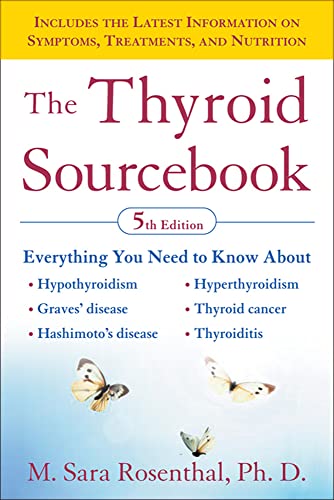
The Thyroid Sourcebook (5th Edition): Rosenthal, M. Sara
M. Sara Rosenthal ... The New York Times called this book "<strong>an excellent source of information</strong>." The Thyroid Sourcebook features patient narratives; information on the compli
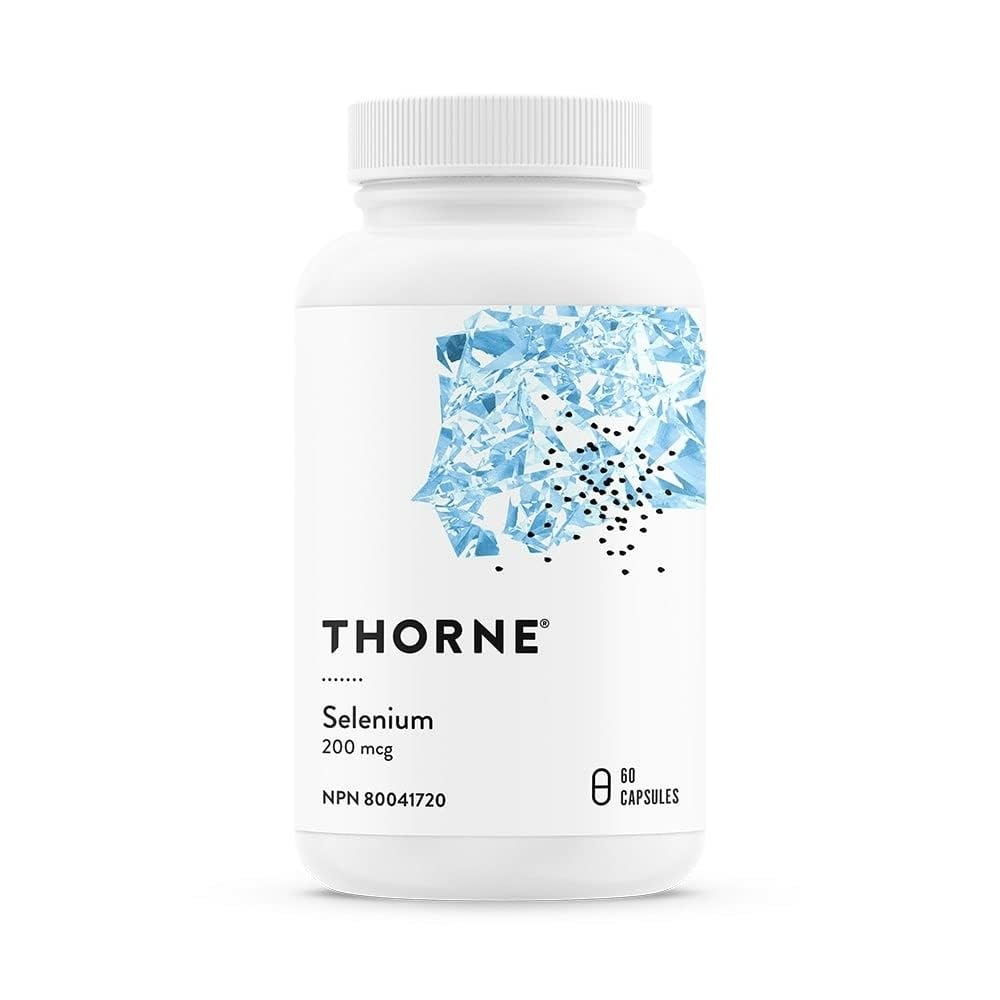
THORNE - Selenium - 200 mcg Selenium Supplement for Antioxidant Support* - 60 Capsules : Everything Else
One Capsule Contains: Selenium (as L-Selenomethionine) 200 mcg.

Nordic Naturals Ultimate Omega, Lemon Flavor - 90 Soft Gels - 1280 mg Omega-3 - High-Potency Omega-3 Fish Oil Supplement with EPA & DHA - Promotes Brain & Heart Health - Non-GMO - 45 Servings
Buy Nordic Naturals Ultimate Omega, Lemon Flavor - 90 Soft Gels - 1280 mg Omega-3 - High-Potency Omega-3 Fish Oil Supplement with EPA & DHA - Promotes Brain & Heart Health - Non-GMO - 45 Servi
Evidence & Sources
Promising research with growing clinical support from multiple studies
- American Thyroid Association
- National Institute of Diabetes and Digestive and Kidney Diseases (NIDDK)
- National Center for Complementary and Integrative Health (NCCIH)
- The Lancet Diabetes & Endocrinology
- New England Journal of Medicine
- Journal of Clinical Endocrinology & Metabolism
- Thyroid
- World Health Organization (WHO)
This content is for informational purposes only and does not constitute medical advice. Always consult a qualified healthcare provider before starting, stopping, or changing any supplement or medication regimen.