

Tension Headaches
Overview
Tension headaches are the most common type of primary headache disorder. They are generally described as a dull, pressure-like, or tightening pain on both sides of the head, often compared to a band wrapped around the forehead or scalp. Unlike migraine, tension headaches typically do not cause prominent nausea, and sensitivity to light or sound tends to be mild or absent. Episodes may last from 30 minutes to several days, and they can occur occasionally or become chronic when present on many days each month.
This condition is medically important because of its high prevalence and cumulative impact on quality of life, concentration, sleep, mood, and work productivity. Tension-type headache is common across age groups and is frequently associated with periods of stress, muscle tension, poor sleep, eye strain, long hours at a desk, anxiety, or fatigue. Although often considered less disabling than migraine, frequent tension headaches can still create a substantial personal and public health burden.
From a clinical standpoint, tension headaches are classified as episodic or chronic. Episodic tension-type headache occurs infrequently or in recurrent bouts, while chronic tension-type headache is generally defined by headache occurring on 15 or more days per month for an extended period. Headaches may involve tenderness of the scalp, neck, or shoulder muscles, but the condition is now understood to involve more than simple muscle tightness alone. Research suggests that pain processing pathways, stress physiology, and nervous system sensitization may all contribute, especially in chronic cases.
Because headache symptoms can overlap with migraine, cervicogenic headache, medication-overuse headache, and secondary causes, evaluation by a qualified healthcare professional may be important when headaches are new, changing, severe, unusually persistent, or accompanied by neurological symptoms. Many tension headaches are benign, but a careful assessment helps distinguish common primary headache disorders from conditions that require more urgent medical attention.
Compare Treatment Options
Tension headaches (also called tension-type headaches) are the most common primary headache disorder. They are often described as a dull, pressing, or tightening pain on both sides of the head, sometimes with a band-like sensation across the forehead or scalp. Compared with migraine, tension headaches are usually less likely to cause nausea, vomiting, or pronounced sensitivity to light and sound, though mild overlap can occur. In many people, muscular tension in the neck, shoulders, jaw, or scalp, poor ergonomics, stress, sleep disruption, and prolonged screen time appear to play a contributing role. Treatment options vary because tension headaches are not driven by a single mechanism. Some episodes are occasional and respond to short-term symptom relief, while others become frequent or chronic and may involve central pain sensitization, neck or jaw dysfunction, myofascial trigger points, or medication-overuse patterns. For that reason, care may include Western approaches such as over-the-counter analgesics, preventive medicines, physical therapy, or behavioral therapies, alongside Eastern approaches such as acupuncture, trigger point acupuncture, or traditional mind-body practices. An intellectually honest comparison looks at likely benefit, time horizon, risk, and how well each option fits the pattern of symptoms and daily life burden.
View treatment comparison (6 options)Medical Perspectives
Two Ways of Seeing Health

Western
scientific · clinical
Western medicine applies science, technology, and clinical experience to treat symptoms through testing, diagnosis, and targeted intervention.

Eastern
traditional · alternative
Eastern medicine focuses on treating the body naturally by applying traditional knowledge practiced for thousands of years, emphasizing balance and whole-person wellness.
Gold Bamboo presents both perspectives side-by-side so you can make informed decisions. We don't advocate for one over the other — your health choices are yours.
Western Medicine Perspective
Western Medicine Perspective
In conventional medicine, tension headaches are classified as primary headache disorders, meaning they are not caused by another underlying disease in most cases. The current understanding is that episodic tension headaches may involve a combination of pericranial muscle tenderness, stress-related physiological changes, and heightened pain sensitivity, while chronic tension-type headache appears more strongly linked to central sensitization—a state in which the nervous system becomes more responsive to pain signals. Contributing factors may include psychosocial stress, sleep disturbance, depression, anxiety, jaw clenching, poor ergonomic strain, and overlapping pain conditions.
Diagnosis is generally based on clinical history and symptom pattern rather than laboratory testing. Typical features include bilateral, pressing or tightening, mild-to-moderate pain that is not worsened by routine physical activity and lacks the classic features of migraine. Conventional evaluation also looks for "red flag" features that could suggest secondary headache, such as sudden onset, fever, head trauma, neurological deficits, cancer history, or headache associated with significant blood pressure abnormalities. In these situations, further medical workup may be considered.
Management in western care often focuses on trigger identification, headache frequency, functional impact, and coexisting conditions. Research supports the role of nonpharmacologic approaches such as stress management, physical therapy, posture and ergonomic assessment, relaxation training, and cognitive behavioral strategies, particularly for recurrent headaches. Medication approaches may be used in clinical practice, but frequent use of acute pain relievers is approached cautiously because of the risk of medication-overuse headache. For chronic tension-type headache, conventional care may also examine sleep quality, mental health, neck and jaw dysfunction, and other contributors that can perpetuate the headache cycle.
Overall, western medicine views tension headaches as a multifactorial pain disorder with biological, behavioral, and environmental components. This model supports a broad assessment rather than attributing all symptoms solely to muscle tension.
Eastern & Traditional Perspective
Eastern and Traditional Medicine Perspective
In Traditional Chinese Medicine (TCM), tension headaches are not viewed as a single disease entity but are interpreted through patterns of imbalance. Head pain may be associated with Liver qi stagnation, often linked traditionally with emotional stress and frustration; qi and blood stagnation, in which pain is understood as resulting from impaired circulation; or wind-cold and other external influences affecting the head and neck channels. Chronic or recurrent headache may also be associated with underlying deficiencies, such as blood deficiency or Kidney essence depletion, depending on the broader symptom pattern. TCM assessment typically considers the location of pain, stress state, digestion, sleep, tongue, and pulse findings.
Traditional East Asian approaches have historically used acupuncture, bodywork, breathing practices, movement therapies, and herbal formulas selected according to pattern differentiation. Modern research suggests acupuncture may help reduce headache frequency or symptom burden in some people with tension-type headache, although study quality varies and outcomes are not uniform. Manual therapies and mind-body approaches are also commonly discussed within integrative settings, particularly where stress and muscular tension are prominent features.
In Ayurveda, recurrent head pain may be interpreted through imbalances in Vata—especially when pain is associated with stress, irregular routines, tension, or sensory overload—and sometimes Pitta when irritability or heat-related features predominate. Assessment traditionally includes digestion, sleep, emotional state, and constitutional tendencies. Approaches may involve daily routine regulation, calming practices, massage, and herbal traditions, though the evidence base is generally less robust than that for conventional headache medicine.
In naturopathic and integrative medicine, tension headaches are often framed as reflecting a mix of stress physiology, musculoskeletal strain, sleep disruption, and lifestyle patterning. These systems tend to emphasize whole-person assessment and low-risk supportive strategies, while also recognizing the importance of medical evaluation when headache patterns are atypical or concerning. Across traditional systems, the emphasis is often on restoring balance and reducing recurrence rather than treating headache as an isolated symptom alone.
Supplements & Products
Recommended Products

The Trigger Point Therapy Workbook: Your Self-Treatment Guide for Pain Relief: Davies NCTMB, Clair, Davies CMTPT LMT, Amber, Simons MD, David G.
The Trigger Point Therapy Workbook, Third Edition, has made a huge impact among health professionals and the public alike, becoming an overnight classic in the field of pain relief. This edition inclu

Doctor's Best High Absorption Magnesium Glycinate Lysinate Supplement for Sleep Support - Chelated Magnesium Tablets for Women & Men, 200mg per Serving, Supports Calm & Relaxation, Vegan - 240 Count
Doctor's Best High Absorption Magnesium Glycinate Lysinate Supplement for Sleep Support - Chelated Magnesium Capsules for Women & Men, 105 mg per Serving, Calm Support, Vegan - 120 Veg Caps
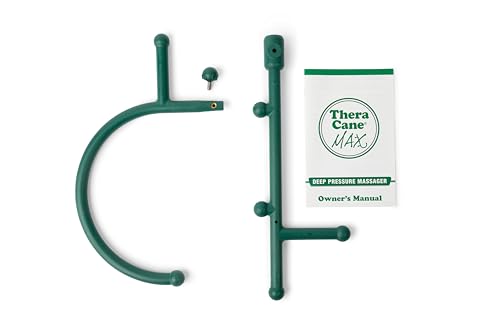
Thera Cane Massager (Green, Single)
<strong>Amazingly simple yet effective self-massager makes it easy to apply pain-relieving deep compression directly to hard, knotted "trigger points" anywhere they occur</strong>. Break up
Evidence & Sources
Promising research with growing clinical support from multiple studies
- International Classification of Headache Disorders (International Headache Society)
- World Health Organization (WHO) headache disorders resources
- National Institute of Neurological Disorders and Stroke (NINDS)
- American Migraine Foundation
- Cochrane Database of Systematic Reviews
- The Journal of Headache and Pain
- Cephalalgia
- National Center for Complementary and Integrative Health (NCCIH)
This content is for informational purposes only and does not constitute medical advice. Always consult a qualified healthcare provider before starting, stopping, or changing any supplement or medication regimen.