

Temporomandibular Joint Disorders
Also known as: TMJ, TMD
Temporomandibular Joint Disorders (TMD): Overview
Temporomandibular joint disorders (TMD) is an umbrella term for a group of conditions affecting the jaw joints (temporomandibular joints), chewing muscles, and surrounding connective tissues. These structures help coordinate speaking, chewing, swallowing, and facial movement. When dysfunction develops, symptoms may include jaw pain, facial aching, clicking or popping, stiffness, limited mouth opening, headaches, ear-related discomfort, and muscle tenderness. TMD can involve the joint itself, the muscles controlling jaw movement, or both.
TMD is considered common and multifactorial. Research suggests it occurs more often in adults under 60, and it is reported more frequently in women than in men. Conventional medicine increasingly recognizes that TMD is not usually caused by a single issue. Instead, it may reflect an interplay of muscle overactivity, joint inflammation or degeneration, stress-related jaw tension, teeth grinding or clenching, injury, sleep disturbance, posture-related strain, and pain sensitization within the nervous system. In some people, symptoms are brief and self-limited; in others, they become persistent and affect quality of life.
A key feature of modern TMD care is the understanding that it often overlaps with other pain conditions such as migraine, neck pain, fibromyalgia, and sleep disorders. For this reason, evaluation tends to consider the whole person rather than the jaw in isolation. Diagnosis is generally based on symptom history, physical examination of jaw movement and muscle tenderness, and selected imaging when structural problems are suspected. Because jaw pain can sometimes mimic dental disease, ear problems, neuralgia, or inflammatory arthritis, careful assessment is important.
Many people explore integrative and alternative approaches for symptom relief, especially when stress, muscle tension, or chronic pain patterns appear to contribute. Modalities such as acupuncture, mind-body practices, manual therapies, relaxation training, and traditional medical systems are commonly discussed alongside conventional care. The overall evidence base is mixed: some approaches show promising but variable support, while others remain rooted primarily in traditional use. As with any persistent facial or jaw pain, consultation with a qualified healthcare professional is important to clarify the diagnosis and rule out more serious conditions.
Compare Treatment Options
Temporomandibular joint disorders (TMD), often called TMJ disorder, refer to a group of conditions affecting the jaw joints, chewing muscles, and surrounding connective tissues. Symptoms can include jaw pain, facial aching, clicking or popping, stiffness, headaches, ear fullness, and difficulty opening the mouth comfortably. As reflected in Gold Bamboo’s related TMJ/TMD content, TMD is not a single disease but a broad category that can involve muscle overuse, disc displacement, joint inflammation, teeth grinding or clenching, stress-related muscle tension, trauma, or arthritis. Treatment options vary because the underlying drivers vary. Some people mainly have myofascial pain in the jaw muscles, while others have more joint-centered problems such as locking, disc issues, or degenerative change. Western care often emphasizes diagnosis, self-care, oral appliances, physical therapy, and selective use of medications or procedures. Eastern approaches such as acupuncture and manual/bodywork traditions are often used to address pain, muscle tension, stress reactivity, and functional balance. Research generally supports starting with conservative, reversible approaches and escalating only when symptoms are persistent, severe, or structurally complicated.
View treatment comparison (6 options)Medical Perspectives
Two Ways of Seeing Health

Western
scientific · clinical
Western medicine applies science, technology, and clinical experience to treat symptoms through testing, diagnosis, and targeted intervention.

Eastern
traditional · alternative
Eastern medicine focuses on treating the body naturally by applying traditional knowledge practiced for thousands of years, emphasizing balance and whole-person wellness.
Gold Bamboo presents both perspectives side-by-side so you can make informed decisions. We don't advocate for one over the other — your health choices are yours.
Western Medicine Perspective
Western / Conventional Medicine Perspective
In conventional medicine, TMD is typically understood as a biopsychosocial pain condition rather than a purely mechanical jaw problem. Clinicians often classify cases into broad categories such as myofascial pain disorders, internal derangement of the joint (for example, disc displacement), and degenerative or inflammatory joint disease. The current medical view emphasizes that jaw symptoms can arise from a combination of muscle dysfunction, altered joint mechanics, stress-related parafunctional habits such as clenching, trauma, and central pain amplification. This framework has shifted care away from older theories that attributed most TMD primarily to dental bite misalignment.
Assessment commonly includes a review of jaw function, pain triggers, locking episodes, joint noises, headache patterns, sleep quality, and psychological stress. Physical examination may evaluate range of motion, tenderness of the jaw muscles, joint sounds, and signs of bruxism. Imaging such as MRI or CT may be considered in selected cases when disc abnormalities, significant arthritis, fracture, or other structural pathology is suspected. Conventional management often begins conservatively, with emphasis on education, self-management strategies, physical therapy, oral appliances in selected cases, behavioral approaches, and noninvasive pain management. When symptoms are persistent or severe, care may involve dentists, oral medicine specialists, physical therapists, pain specialists, or maxillofacial surgeons.
Research indicates that most TMD cases improve with conservative, reversible approaches, while invasive dental or surgical interventions are reserved for carefully selected situations. There is also growing recognition that chronic TMD often benefits from addressing sleep, stress physiology, anxiety, depression, and coexisting pain disorders. Because symptoms may fluctuate over time, clinicians often frame management as an effort to improve function and reduce pain burden rather than to identify a single universal cause. Anyone with new, severe, or persistent jaw pain, sudden bite changes, unexplained swelling, fever, or neurological symptoms would generally warrant prompt professional evaluation.
Eastern & Traditional Perspective
Eastern / Traditional Medicine Perspective
In Traditional Chinese Medicine (TCM), jaw pain and restricted motion are often interpreted through patterns involving Qi and Blood stagnation, obstruction in the meridians of the الوجه and jaw region—especially the Stomach, Gallbladder, and Triple Burner channels—or the influence of wind, cold, heat, or phlegm depending on the presentation. Tension-related clenching may be viewed as connected to Liver Qi stagnation, while chronic weakness, poor recovery, or degenerative changes may be interpreted through deficiencies affecting the Kidney or Spleen systems. Traditional approaches may include acupuncture, moxibustion, cupping, tui na bodywork, breathing practices, and individualized herbal formulas, with the aim of restoring circulation, easing spasm, and harmonizing broader systemic patterns.
Within Ayurveda, symptoms resembling TMD are often understood through the lens of Vata aggravation, particularly when pain is variable, clicking is prominent, or movement feels dry, tense, or unstable. Inflammatory sensations may be framed with Pitta involvement, while stiffness or heaviness may involve Kapha imbalance. Traditional Ayurvedic care may draw on manual therapies, herbal preparations, warm oil applications, stress regulation practices, and dietary/lifestyle balancing according to the individual's constitution and pattern. As in other traditional systems, the jaw is not viewed in isolation but as part of a larger network linking digestion, stress, sleep, posture, and nervous system balance.
Naturopathic and integrative practitioners often emphasize contributors such as muscle tension, inflammation, sleep disruption, breathing patterns, stress load, and whole-body musculoskeletal alignment. Commonly discussed supportive approaches include mind-body techniques, gentle manual therapies, acupuncture, anti-inflammatory dietary patterns, and relaxation-based strategies, although the strength of evidence differs substantially by modality. From an evidence standpoint, acupuncture has received some study for TMD-related pain, while many herbal and traditional approaches remain less standardized and less rigorously evaluated in high-quality trials.
Traditional systems can offer useful frameworks for symptom patterns, especially when TMD coexists with stress, chronic tension, or broader pain syndromes. At the same time, persistent jaw dysfunction, locking, trauma-related symptoms, or suspected dental and arthritic disease generally call for assessment by appropriately trained medical and dental professionals. An integrative approach is often discussed when conventional evaluation is combined with complementary therapies delivered by qualified practitioners.
Supplements & Products
Recommended Products
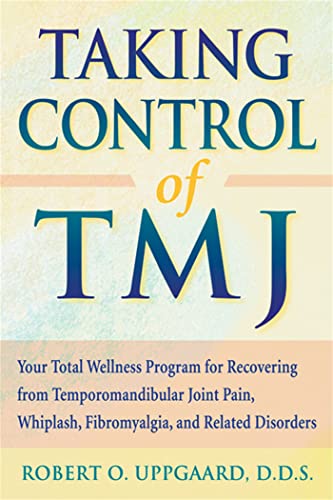
Taking Control of TMJ: Your Total Wellness Program for Recovering from Temporomandibular Joint Pain, Whiplash, Fibromyalgia, and Related Disorders: Uppgaard, Robert
Taking Control of TMJ: <strong>Your Total Wellness Program for Recovering from Temporomandibular Joint Pain, Whiplash, Fibromyalgia, and Related Disorders</strong> [Uppgaard, Robert] on Amazon.com.

DenTek Professional-Fit Dental Guard, Mouth Guard for Grinding Teeth at Night, 1 Count : Anti Grinding Teeth Protectors
DenTek Professional-Fit Dental Guard will give you <strong>6 months of guaranteed protection from the date of purchase</strong> (1). DenTek is the Number One OTC dental guard brand for nighttime teeth
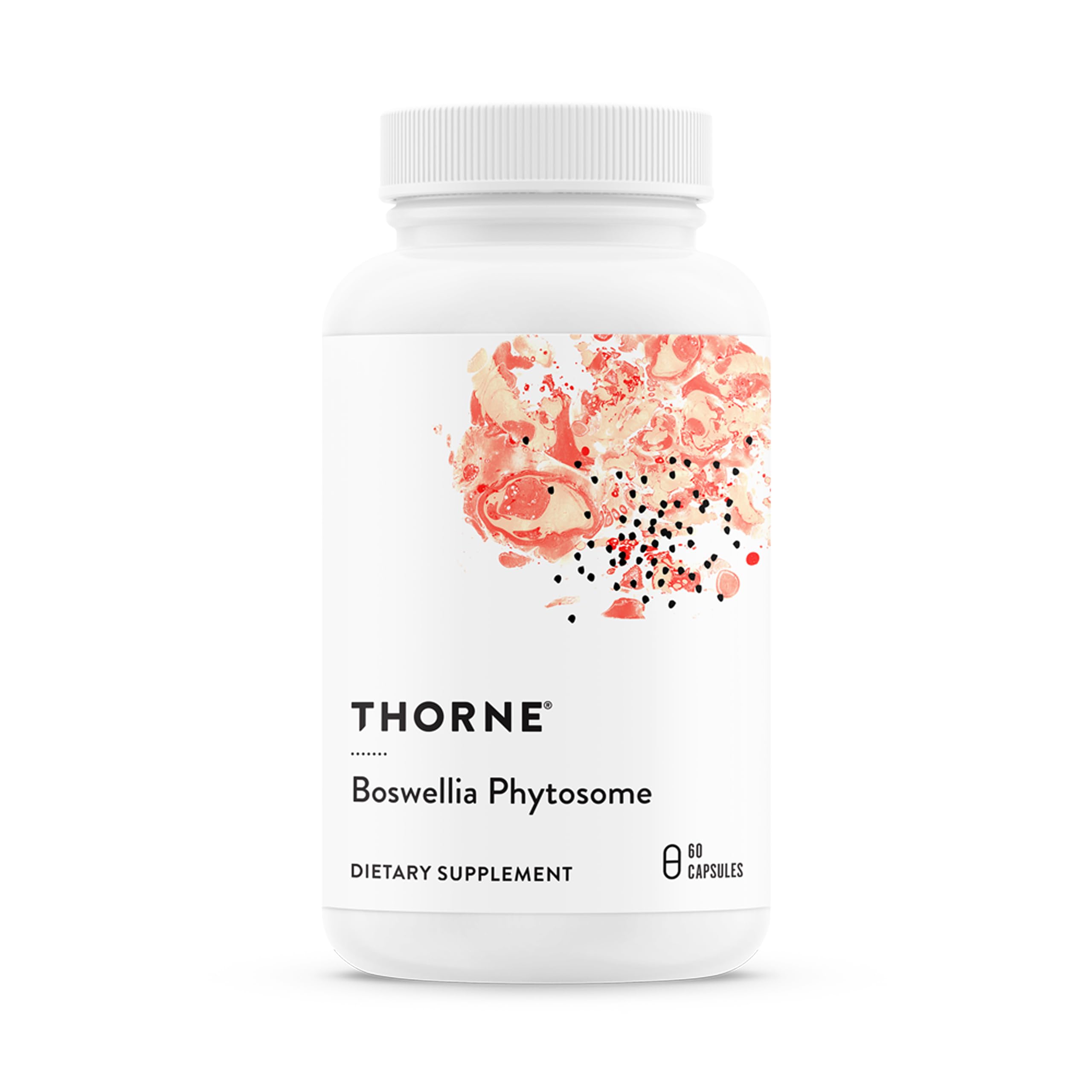
THORNE - Boswellia Phytosome - Indian Frankincense (Boswellia Extract) Supplement - 60 Capsules
One Capsule Contains: Indian Frankincense Phytosome* (Boswellia serrata (oleo-gum-resin) / Phospholipid complex from Sunflower) 350 mg.

Face Ice Pack Wrap for TMJ, Wisdom Teeth, WORLD-BIO Jaw Wrap with 4 Reusable Hot Cold Therapy Gel Packs for Head, Chin, Oral and Facial Surgery, Pain Relief for Swelling, Injuries, Dental Implants
Use 2pcs gel pack at a time, the other 2 hot cold packs can be used in alternation. And gel pack can be used for other parts of the body. ... Loading content. ... Loading content. ... Hilph Wisdom Tee

The TMJ Healing Plan: Ten Steps to Relieving Headaches, Neck Pain and Jaw Disorders: Peterson, Cynthia
<strong>This book is the ONLY one on the market that will help you with all 10 steps to identify and eliminate common causes and contributors to headaches, neck pain and jaw disorders commonly known a

THORNE - Curcumin Phytosome 500 mg (Meriva) - Sustained Release, Clinically Studied - Supports Healthy Inflammatory Response in Joints, Muscles, GI Tract, Liver, Brain & Nerves* - 60 Servings
Buy THORNE - Curcumin Phytosome 500 mg (Meriva) - Sustained Release, Clinically Studied - <strong>Supports Healthy Inflammatory Response in Joints, Muscles, GI Tract, Liver, Brain & Nerves</strong

Capzasin HP Arthritis Pain Relief Creme - 1.5 oz, Pack of 5
PACK OF 3 EACH CAPZASIN-HP CREME ... 0.1% High Potency Pain Relief Cream, Unscented (2 oz) <strong>Deep Penetrating Relief from: Arthritis, Muscle, Joint and Back Pain</strong> ·...
Evidence & Sources
Promising research with growing clinical support from multiple studies
- National Institute of Dental and Craniofacial Research (NIDCR)
- National Institute of Dental and Craniofacial Research, Diagnostic Criteria for Temporomandibular Disorders (DC/TMD)
- Journal of Oral & Facial Pain and Headache
- Journal of Oral Rehabilitation
- Cochrane Database of Systematic Reviews
- National Center for Complementary and Integrative Health (NCCIH)
- American Family Physician
- International Association for the Study of Pain (IASP)
This content is for informational purposes only and does not constitute medical advice. Always consult a qualified healthcare provider before starting, stopping, or changing any supplement or medication regimen.