

Temporomandibular Joint Disorder (TMJ/TMD)
Overview
Temporomandibular joint disorder (TMD) refers to a group of conditions affecting the temporomandibular joints (TMJs), the jaw muscles, and surrounding connective tissues that help control chewing, speaking, swallowing, and facial movement. Although people often say "TMJ" to describe the problem, the TMJ is technically the joint itself; TMD is the broader clinical term for dysfunction or pain involving this system. Common features include jaw pain, clicking or popping, muscle tenderness, limited mouth opening, facial aching, ear-related symptoms, and headaches.
TMD is considered a multifactorial pain and functional disorder rather than a single disease. Research suggests it can involve one or more overlapping mechanisms, including muscle tension, joint inflammation, disc displacement within the joint, altered bite forces, trauma, stress-related jaw clenching, sleep bruxism, and central pain sensitization. Symptoms may be temporary and mild for some individuals, while others experience chronic pain, recurrent flares, sleep disruption, and reduced quality of life. TMD is more commonly reported in women and adults under middle age, though it can occur across all age groups.
The condition has gained attention because it sits at the intersection of dentistry, musculoskeletal medicine, pain science, and behavioral health. Studies indicate that TMD often coexists with migraine, neck pain, fibromyalgia, anxiety, sleep disorders, and other chronic pain syndromes, highlighting the importance of viewing it in a whole-person context. Not every clicking jaw is pathologic, and not all jaw pain originates in the TMJ itself; careful evaluation is often needed to distinguish muscular pain, joint dysfunction, dental causes, sinus or ear conditions, neuralgias, and other sources of facial pain.
From a public health perspective, TMD is relatively common, but severity varies widely. Many cases improve with conservative care over time, while a smaller subset becomes persistent and complex. Because symptoms can mimic dental disease, otologic problems, or headache disorders, assessment by a qualified healthcare professional is important, particularly when there is jaw locking, trauma, marked limitation of opening, swelling, fever, unexplained weight loss, or progressive worsening.
Western Medicine Perspective
Western / Conventional Medicine Perspective
In conventional medicine, TMD is understood as a heterogeneous group of disorders involving the masticatory muscles, temporomandibular joints, and associated structures. Modern classification often distinguishes among myofascial pain, intra-articular disorders such as disc displacement, and degenerative or inflammatory joint disease. Diagnostic approaches increasingly rely on standardized frameworks such as the Diagnostic Criteria for Temporomandibular Disorders (DC/TMD), which combine physical examination with assessment of pain, function, psychosocial stress, and symptom behavior.
Conventional evaluation generally considers multiple contributors rather than assuming a single mechanical cause. Research suggests that muscle overuse, parafunctional habits such as clenching, stress, trauma, connective tissue factors, altered pain processing, and coexisting headache or sleep disorders may all play roles. Imaging such as MRI or CT may be used selectively when structural abnormalities, trauma, persistent locking, arthritis, or other pathology is suspected, but many uncomplicated cases are diagnosed clinically. Western management models often emphasize conservative, reversible approaches first, with more invasive dental or surgical interventions reserved for selected cases after thorough assessment.
Evidence-based care commonly includes patient education, self-management strategies, physical therapy, behavioral approaches, oral appliances in appropriate contexts, and short-term use of medications depending on the symptom pattern. Studies indicate that outcomes are often improved when clinicians address pain modulation, stress, sleep quality, and neck/jaw biomechanics together rather than focusing only on bite alignment. Historically, some irreversible dental procedures were used more broadly, but contemporary guidelines are generally more cautious, reflecting concern that TMD frequently has a fluctuating, biopsychosocial course.
Clinicians also watch for red flags and alternate diagnoses, including dental infection, fracture, giant cell arteritis, neuralgia, tumor, autoimmune arthritis, or severe malocclusion-related dysfunction. Because TMD can overlap with chronic pain disorders, consultation with dentists, oral medicine specialists, physical therapists, primary care clinicians, pain specialists, or mental health professionals may be part of a multidisciplinary evaluation.
Eastern & Traditional Perspective
Eastern / Traditional Medicine Perspective
In Traditional Chinese Medicine (TCM), jaw pain and dysfunction are not usually framed as a single isolated joint disorder but as a pattern involving the channels and organ systems that traverse the face and jaw, particularly the Stomach, Gallbladder, Small Intestine, Sanjiao, and Large Intestine meridians. TMD-like symptoms may be interpreted through patterns such as Qi and blood stagnation, wind-cold invasion affecting the channels, liver Qi stagnation associated with stress and muscular tension, or phlegm and heat obstructing the joints. Chronic cases may also be viewed as involving underlying deficiency patterns that reduce the body’s ability to nourish tendons and bones.
From this perspective, emotional strain, poor sleep, constitutional weakness, and external climatic influences may all contribute to jaw tightness or pain. Traditional approaches have historically included acupuncture, acupressure, manual therapies, breathing practices, and herbal formulas chosen according to pattern differentiation. Research on acupuncture for TMD suggests potential benefit for pain and jaw function in some patients, although study quality is mixed and protocols vary. As a result, acupuncture is often discussed as a complementary approach within integrative care rather than a stand-alone solution.
In Ayurveda, jaw pain may be interpreted through disturbances in Vata—especially when pain, clicking, stiffness, and variable movement predominate—or through Pitta and inflammatory qualities when burning, irritability, or inflammatory patterns are more apparent. Musculoskeletal imbalance, nervous system strain, digestive disturbance, and stress are often considered interrelated. Traditional Ayurvedic care may involve dietary balancing, lifestyle regulation, bodywork, herbal preparations, oil-based therapies, and relaxation practices, selected according to the individual constitution and symptom pattern.
In naturopathic and other traditional systems, TMD is often approached through a whole-person lens that considers muscle tension, posture, stress physiology, sleep, inflammation, and nutritional status. These systems generally emphasize supporting the body’s self-regulation while coordinating with dental and medical evaluation when structural joint disease, severe dysfunction, or persistent pain is present. As with conventional care, consultation with qualified practitioners is important because jaw pain can reflect a wide range of causes and may require diagnostic clarification.
Supplements & Products
Recommended Products
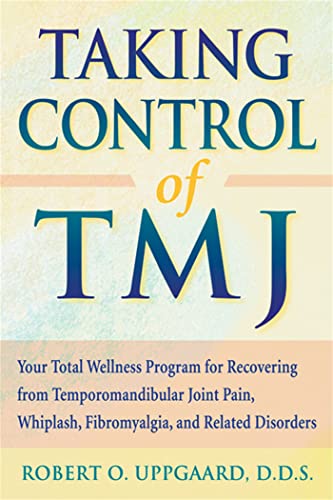
Taking Control of TMJ: Your Total Wellness Program for Recovering from Temporomandibular Joint Pain, Whiplash, Fibromyalgia, and Related Disorders: Uppgaard, Robert
Taking Control of TMJ: <strong>Your Total Wellness Program for Recovering from Temporomandibular Joint Pain, Whiplash, Fibromyalgia, and Related Disorders</strong> [Uppgaard, Robert] on Amazon.com.
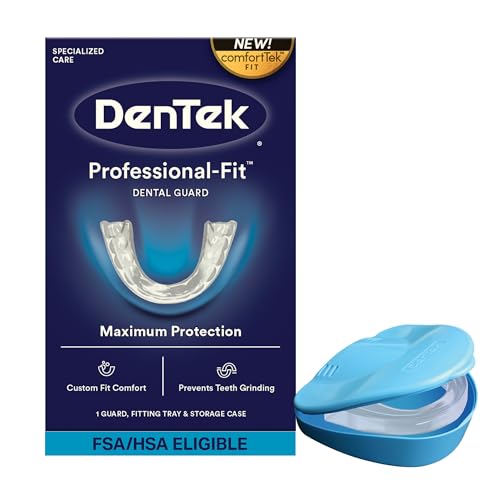
DenTek Professional-Fit Dental Guard, Mouth Guard for Grinding Teeth at Night, 1 Count : Anti Grinding Teeth Protectors
DenTek Professional-Fit Dental Guard will give you <strong>6 months of guaranteed protection from the date of purchase</strong> (1). DenTek is the Number One OTC dental guard brand for nighttime teeth

Face Ice Pack Wrap for TMJ, Wisdom Teeth, WORLD-BIO Jaw Wrap with 4 Reusable Hot Cold Therapy Gel Packs for Head, Chin, Oral and Facial Surgery, Pain Relief for Swelling, Injuries, Dental Implants
Use 2pcs gel pack at a time, the other 2 hot cold packs can be used in alternation. And gel pack can be used for other parts of the body. ... Loading content. ... Loading content. ... Hilph Wisdom Tee
Evidence & Sources
Promising research with growing clinical support from multiple studies
- National Institute of Dental and Craniofacial Research (NIDCR)
- International Network for Orofacial Pain and Related Disorders Methodology (INfORM) / DC-TMD literature
- Journal of Oral & Facial Pain and Headache
- National Center for Complementary and Integrative Health (NCCIH)
- American Academy of Orofacial Pain
- BMJ
- Journal of Oral Rehabilitation
- Cochrane Database of Systematic Reviews
This content is for informational purposes only and does not constitute medical advice. Always consult a qualified healthcare provider before starting, stopping, or changing any supplement or medication regimen.