

Temporomandibular Joint Disorder (TMJ)
Overview
Temporomandibular Joint Disorder (TMJ), often referred to more precisely as temporomandibular disorders (TMD), is a broad term for conditions affecting the temporomandibular joint, the muscles of chewing, and the surrounding connective tissues. The temporomandibular joints connect the lower jaw to the skull and are essential for speaking, chewing, swallowing, and facial expression. When this system becomes irritated or dysfunctional, symptoms may include jaw pain, clicking or popping, limited mouth opening, facial tension, headaches, ear-related symptoms such as fullness or ringing, and discomfort with chewing.
TMD is considered a multifactorial condition, meaning it does not usually arise from a single cause. Research suggests contributing factors can include jaw muscle overuse, teeth clenching or grinding, stress-related muscle tension, joint inflammation, disc displacement within the joint, prior trauma, bite-related factors, sleep disorders, and broader pain sensitization patterns. In many individuals, symptoms fluctuate over time and may be influenced by emotional stress, posture, sleep quality, and coexisting pain conditions such as migraine, neck pain, or fibromyalgia.
From a public health perspective, TMD is relatively common. Epidemiologic studies indicate that jaw pain and jaw dysfunction symptoms are widespread, though only a subset of people seek clinical care. The condition appears more frequently in women, particularly during early and middle adulthood, though it can affect all ages. TMD ranges from mild, self-limited discomfort to chronic pain that interferes with eating, communication, sleep, and quality of life.
Because TMJ-related symptoms can overlap with dental disease, sinus conditions, headaches, nerve pain, and ear disorders, careful evaluation is important. Both conventional and traditional systems of care generally recognize that TMJ disorders involve not only the jaw joint itself, but also the broader relationship among muscles, stress regulation, inflammation, posture, and whole-body tension patterns. Anyone with persistent jaw pain, locking, sudden bite changes, or major functional limitation is typically advised to seek assessment from a qualified healthcare professional.
Western Medicine Perspective
Western Medicine Perspective
In conventional medicine, TMD is understood as a group of musculoskeletal and neuromuscular disorders rather than a single disease. Modern classifications often divide the condition into categories such as myofascial pain, internal derangement of the joint (for example, disc displacement), arthralgia, osteoarthritis, and headache attributed to TMD. Clinicians often assess symptom patterns, jaw range of motion, joint sounds, chewing pain, locking episodes, history of trauma, nighttime grinding, and associated neck or head pain. In some cases, imaging such as MRI or CT may be used when structural joint problems, inflammatory disease, or trauma are suspected.
Research indicates that many cases of TMD are best approached conservatively, with attention to pain reduction, function, and contributing behaviors. Conventional care may include patient education, self-management strategies, physical therapy approaches, oral appliances in selected cases, and short-term use of medications aimed at pain or inflammation. Behavioral medicine also plays a role, especially when stress, sleep disturbance, anxiety, or central pain sensitization are contributing factors. Increasingly, western medicine recognizes TMD through a biopsychosocial model, meaning physical joint mechanics, muscle function, and psychosocial stressors may all influence symptoms.
Surgery is generally reserved for carefully selected situations such as significant structural joint disease, trauma, tumors, ankylosis, or severe mechanical dysfunction, rather than routine jaw clicking or common pain presentations. Evidence reviews have raised caution around irreversible dental or occlusal procedures undertaken solely for TMD symptoms, as these have not consistently shown broad benefit. As with many chronic pain conditions, outcomes tend to be better when care is individualized and based on the specific subtype of disorder.
Eastern & Traditional Perspective
Eastern and Traditional Medicine Perspective
In Traditional Chinese Medicine (TCM), TMJ symptoms are not usually viewed as an isolated joint problem alone. They may be interpreted through patterns such as Qi and Blood stagnation, Liver Qi constraint, wind-cold invasion affecting the channels of the face, or heat and inflammation in the Stomach or Gallbladder meridians traversing the jaw region. Chronic cases may also be associated with underlying deficiency patterns that leave the tendons and channels less nourished. Traditional assessment may consider not only jaw pain and movement, but also stress, digestion, sleep, headaches, neck tension, and overall constitutional balance.
TCM approaches have traditionally included acupuncture, moxibustion, manual techniques, breathing practices, and herbal medicine patterns tailored to the individual presentation. Contemporary studies suggest acupuncture may help reduce jaw pain and improve function in some people with TMD, although study quality varies and protocols are not standardized. Within this framework, the goal is often to improve the flow of Qi, relax tense musculature, reduce pain, and address whole-body contributors rather than focusing solely on the joint structure.
In Ayurveda, TMJ symptoms may be understood in relation to Vata imbalance, particularly when pain, clicking, dryness, tension, and irregularity predominate. Inflammatory presentations may also involve Pitta, while chronic stiffness and heaviness may be interpreted through Kapha patterns. Traditional Ayurvedic care may include individualized herbal formulations, bodywork, oil-based therapies, dietary balancing, and stress-regulation practices, though rigorous modern evidence specific to TMJ remains limited.
In naturopathic and integrative medicine, TMJ is often approached as a condition involving muscle tension, inflammation, sleep quality, stress response, postural strain, and oral habits. Modalities sometimes discussed include mind-body therapies, manual therapy, anti-inflammatory lifestyle strategies, and selected supplements, though the evidence base varies substantially by modality. Across traditional systems, a common theme is the view that jaw symptoms may reflect broader imbalance involving the nervous system, musculoskeletal tension, and systemic resilience, and evaluation by appropriately trained practitioners is important.
Supplements & Products
Recommended Products
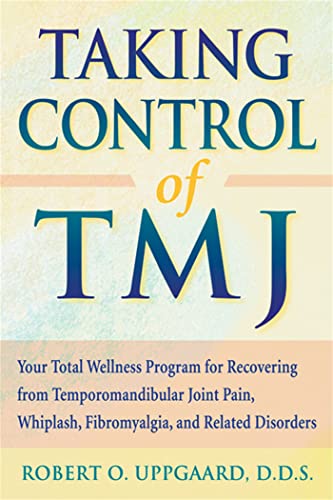
Taking Control of TMJ: Your Total Wellness Program for Recovering from Temporomandibular Joint Pain, Whiplash, Fibromyalgia, and Related Disorders: Uppgaard, Robert
Taking Control of TMJ: <strong>Your Total Wellness Program for Recovering from Temporomandibular Joint Pain, Whiplash, Fibromyalgia, and Related Disorders</strong> [Uppgaard, Robert] on Amazon.com.
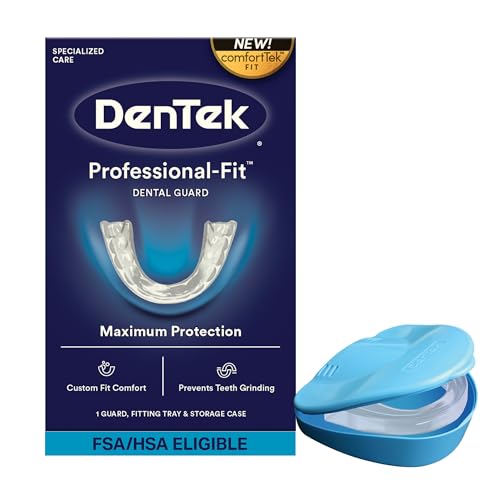
DenTek Professional-Fit Dental Guard, Mouth Guard for Grinding Teeth at Night, 1 Count : Anti Grinding Teeth Protectors
DenTek Professional-Fit Dental Guard will give you <strong>6 months of guaranteed protection from the date of purchase</strong> (1). DenTek is the Number One OTC dental guard brand for nighttime teeth
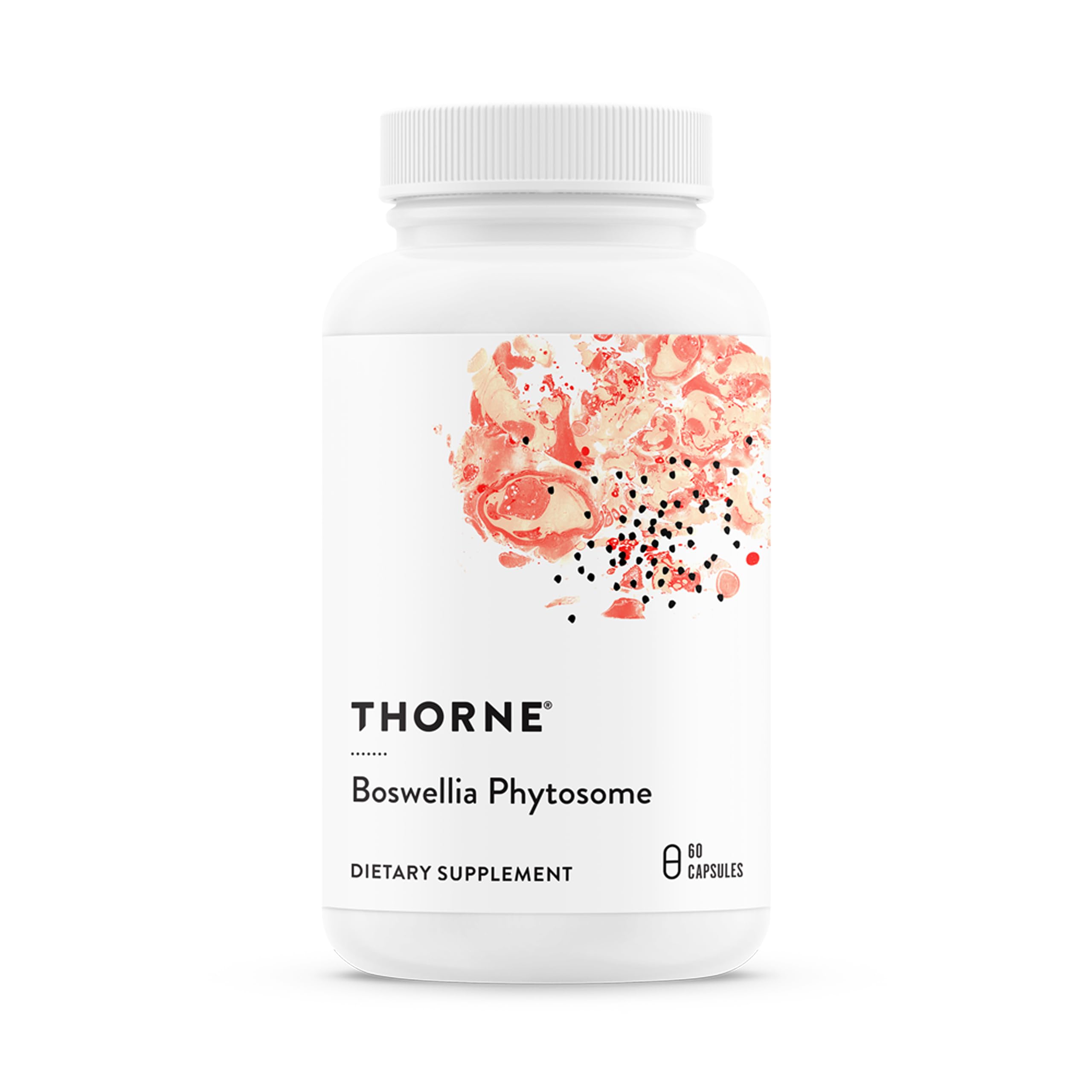
THORNE - Boswellia Phytosome - Indian Frankincense (Boswellia Extract) Supplement - 60 Capsules
One Capsule Contains: Indian Frankincense Phytosome* (Boswellia serrata (oleo-gum-resin) / Phospholipid complex from Sunflower) 350 mg.
Evidence & Sources
Promising research with growing clinical support from multiple studies
- National Institute of Dental and Craniofacial Research (NIDCR)
- National Institute of Dental and Craniofacial Research – Diagnostic Criteria for Temporomandibular Disorders resources
- Journal of Oral & Facial Pain and Headache
- Journal of Oral Rehabilitation
- International Association for the Study of Pain (IASP)
- Cochrane Database of Systematic Reviews
- National Center for Complementary and Integrative Health (NCCIH)
- American Family Physician
This content is for informational purposes only and does not constitute medical advice. Always consult a qualified healthcare provider before starting, stopping, or changing any supplement or medication regimen.