

Substance Withdrawal and Addiction Support
Overview
Substance withdrawal and addiction support refers to the physical, psychological, and social care involved when a person reduces or stops using alcohol, nicotine, opioids, stimulants, sedatives, cannabis, or other psychoactive substances after a period of repeated use. Addiction, often described in clinical settings as a substance use disorder (SUD), is generally understood as a chronic but treatable condition involving altered reward processing, compulsive use despite harm, craving, and difficulty controlling intake. Withdrawal describes the cluster of symptoms that can emerge when the body and brain adapt to a substance and then must readjust after it is removed or reduced.
The experience of withdrawal varies widely by substance, duration of use, dose, overall health, and coexisting mental health conditions. Symptoms may include anxiety, insomnia, sweating, nausea, tremor, muscle aches, mood changes, irritability, strong cravings, and impaired concentration. In some cases, withdrawal can be medically dangerous. Alcohol and benzodiazepine withdrawal, for example, may involve seizures or delirium, while opioid withdrawal is often intensely distressing though less commonly life-threatening on its own. Because of this range, addiction support is broader than detoxification alone; it often includes medical assessment, behavioral care, relapse prevention, recovery support, and attention to housing, family, trauma, and social stability.
From a public health perspective, substance use disorders are common and carry substantial burdens, including overdose risk, injuries, liver and cardiovascular disease, infectious complications, psychiatric comorbidity, and disruption of work and relationships. Research from organizations such as the National Institute on Drug Abuse (NIDA), Substance Abuse and Mental Health Services Administration (SAMHSA), and the World Health Organization (WHO) has emphasized that addiction is not simply a failure of willpower. Rather, it reflects interactions among neurobiology, genetics, environment, stress exposure, adverse childhood experiences, and social determinants of health.
Support for withdrawal and recovery is increasingly viewed through a whole-person lens. Conventional care often focuses on stabilization, symptom management, medications when appropriate, and structured psychotherapy. Complementary and traditional systems may emphasize restoration of balance, regulation of the nervous system, digestive and sleep support, and rebuilding resilience through diet, movement, mind-body practices, social connection, and individualized herbal traditions. Across models, a consistent theme is that recovery tends to be more sustainable when care is compassionate, ongoing, and tailored to the individual, ideally with guidance from qualified healthcare professionals.
Medical Perspectives
Two Ways of Seeing Health

Western
scientific · clinical
Western medicine applies science, technology, and clinical experience to treat symptoms through testing, diagnosis, and targeted intervention.

Eastern
traditional · alternative
Eastern medicine focuses on treating the body naturally by applying traditional knowledge practiced for thousands of years, emphasizing balance and whole-person wellness.
Gold Bamboo presents both perspectives side-by-side so you can make informed decisions. We don't advocate for one over the other — your health choices are yours.
Western Medicine Perspective
Western Medicine Perspective
In conventional medicine, substance withdrawal and addiction are typically assessed as medical and psychiatric conditions with identifiable diagnostic criteria, risk factors, and treatment pathways. Clinicians often distinguish among intoxication, withdrawal, harmful use, and substance use disorder severity. Evaluation may include the type of substance used, pattern and quantity of use, prior withdrawal history, overdose history, concurrent medications, liver and kidney function, pregnancy status, and co-occurring anxiety, depression, trauma-related conditions, or psychosis. This medical framing is important because some withdrawal states are urgent and require close monitoring.
Management in western settings often depends on the substance involved. Alcohol withdrawal may require supervised care because of the risk of seizures and delirium tremens. Benzodiazepine withdrawal is also approached cautiously due to seizure risk and autonomic instability. Opioid withdrawal is commonly addressed with supportive care and, in many settings, medications such as buprenorphine or methadone as part of medication treatment for opioid use disorder; research indicates these approaches can reduce mortality and improve retention in care. For nicotine dependence, nicotine replacement therapy and other cessation medications are widely studied. Behavioral interventions such as cognitive behavioral therapy (CBT), motivational interviewing, contingency management, peer support, and relapse prevention planning are considered central components of care across substances.
Conventional medicine also recognizes addiction as a long-term relapsing condition for many people, similar in some ways to other chronic illnesses that require ongoing management rather than a single episode of treatment. Harm reduction approaches—including overdose education, naloxone distribution, syringe service programs, and nonjudgmental engagement—have become increasingly important in public health and clinical practice. Integrated care models may combine addiction medicine, psychiatry, primary care, infectious disease care, and social services. Within this framework, complementary practices may sometimes be used as adjuncts for stress, sleep, pain, and anxiety, but they are generally not regarded as substitutes for medically appropriate withdrawal management when safety risks are present.
Eastern & Traditional Perspective
Eastern and Traditional Medicine Perspective
In Traditional Chinese Medicine (TCM), substance-related distress may be interpreted less as a single disease category and more as a pattern of imbalance involving the Shen (spirit/mind), Liver qi stagnation, Heart disturbance, Spleen deficiency, Phlegm, Heat, or depletion of Kidney essence, depending on the presentation. Symptoms such as agitation, insomnia, irritability, digestive upset, sweating, tremor, and craving may be viewed through these pattern relationships. Traditional care may involve individualized combinations of acupuncture, herbal formulas, breathing practices, dietary regulation, and sleep-restoration strategies intended to calm the mind, support detoxification processes as traditionally understood, and strengthen constitutional resilience.
Acupuncture has received particular attention in addiction support, especially auricular protocols such as the NADA model, which are used in some recovery and behavioral health settings to promote relaxation and emotional regulation. Research suggests acupuncture may help some individuals with anxiety, sleep disturbance, pain, and stress during recovery, although results across studies are mixed and methodological quality varies. In herbal systems, traditional formulas have historically been used to address restlessness, digestive symptoms, fatigue, and mood imbalance during periods of abstinence, but these approaches require careful professional oversight because herbal products can vary in quality and may interact with medications.
In Ayurveda, problematic substance use may be viewed through imbalance in doshas, impaired agni (digestive-metabolic fire), accumulation of ama (toxic residue in traditional terminology), and disturbance of the mind-body qualities that govern clarity, stability, and impulse control. Supportive care traditionally may emphasize routine, nourishment, meditation, breathwork, oil therapies, yoga, and herbs selected according to constitution and symptoms. Naturopathic and integrative medicine frameworks similarly often focus on nervous system regulation, nutrient repletion, gut health, sleep, stress reduction, and whole-person recovery. These systems generally frame healing as gradual restoration of balance rather than only suppression of symptoms.
Across eastern and traditional perspectives, the strongest role is typically as adjunctive support—helping with stress, cravings, sleep disruption, autonomic arousal, and emotional steadiness—rather than replacing emergency or evidence-based medical care in high-risk withdrawal states. Many traditional practitioners also emphasize the relational and spiritual dimensions of recovery, including community support, ritual, meaning-making, and reconnecting with purpose, all of which can be important in long-term healing.
Supplements & Products
Recommended Products
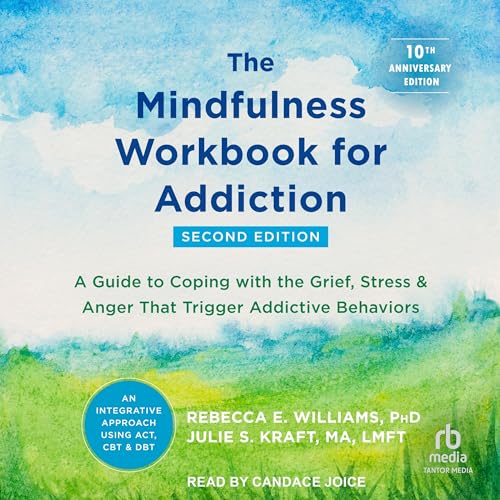
The Mindfulness Workbook for Addiction: A Guide to Coping with the Grief, Stress and Anger that Trigger Addictive Behaviors: PhD, Rebecca E. Williams, Julie S. Kraft MA
The Mindfulness Workbook for Addiction: <strong>A Guide to Coping with the Grief, Stress and Anger that Trigger Addictive Behaviors</strong> [PhD, Rebecca E. Williams, Julie S. Kraft MA] on Amazon.com

Jarrow Formulas N-A-C Sustain 600 mg, Dietary Supplement, NAC 600 mg, an Antioxidant Amino Acid Support for Liver Health, 60 Tablets, 60 Day Supply
"Jarrow Formulas NAC supplement 600 mg <strong>provides the antioxidant amino acid N-Acetyl L-Cysteine which supports detoxification processes</strong>.(1) This amino acid NAC supplement provides

NARCAN Nasal Spray 4 mg, Emergency Treatment of Opioid Overdose, 2 Single-Dose Devices
NARCAN Nasal Spray 4mg (2 Single-Dose Devices) + Convenience Kit with Medical Grade Components | Quick Access Bundle to Aid in an Emergency · WNL Products 5000NMT Nasal Med Trainer, Naloxone Training
Evidence & Sources
Promising research with growing clinical support from multiple studies
- National Institute on Drug Abuse (NIDA)
- Substance Abuse and Mental Health Services Administration (SAMHSA)
- World Health Organization (WHO)
- American Society of Addiction Medicine (ASAM)
- New England Journal of Medicine
- JAMA Psychiatry
- Cochrane Database of Systematic Reviews
- National Center for Complementary and Integrative Health (NCCIH)
- The Lancet
- BMJ
This content is for informational purposes only and does not constitute medical advice. Always consult a qualified healthcare provider before starting, stopping, or changing any supplement or medication regimen.