

Stroke Rehabilitation
Stroke Rehabilitation: Overview
Stroke rehabilitation refers to the structured process of helping a person recover function, adapt to disability, and improve quality of life after a stroke. A stroke occurs when blood flow to part of the brain is interrupted or when bleeding occurs in or around the brain, leading to injury in areas that control movement, speech, sensation, cognition, mood, swallowing, vision, and other essential functions. Because stroke is a leading cause of long-term adult disability worldwide, rehabilitation is a central part of recovery rather than a secondary consideration.
Recovery after stroke is highly variable. Some people regain function quickly, while others experience persistent challenges such as weakness on one side of the body, difficulty walking, communication problems, memory changes, fatigue, pain, spasticity, depression, or reduced independence in daily activities. Rehabilitation aims to address these limitations through coordinated therapies that may include physical, occupational, speech-language, cognitive, psychological, and social support. The process often begins in the hospital and can continue for months or years across inpatient rehabilitation, outpatient care, home-based therapy, and community programs.
A key concept in stroke rehabilitation is neuroplasticity—the brain’s ability to reorganize and form new connections after injury. Research suggests that repetitive, task-specific practice and enriched environments can help support recovery, particularly when therapy is started early and tailored to the individual’s impairments and goals. At the same time, rehabilitation is not only about restoring lost function; it also includes compensatory strategies, caregiver education, fall prevention, secondary stroke prevention, and long-term participation in work, family, and community life.
Stroke rehabilitation is inherently multidisciplinary. Conventional rehabilitation medicine emphasizes measurable functional outcomes, prevention of complications, and coordinated care across specialties. Traditional and integrative systems may frame recovery in broader terms, incorporating balance, energy flow, mind-body regulation, and supportive therapies such as acupuncture, breathing practices, massage, and movement disciplines. Across approaches, the most balanced view recognizes that stroke recovery is complex, individualized, and best managed with qualified healthcare professionals who can account for medical safety, disability needs, and personal context.
Western Medicine Perspective
Western/Conventional Medicine Perspective
In conventional medicine, stroke rehabilitation is understood as a medical and functional recovery process grounded in neurology, physical medicine and rehabilitation, nursing, and allied health therapies. The primary goals are to reduce disability, prevent complications, maximize independence, and improve participation in everyday life. Standard rehabilitation commonly includes physical therapy for strength, gait, balance, and mobility; occupational therapy for self-care, upper-limb function, and adaptive skills; and speech-language therapy for aphasia, dysarthria, cognitive-communication issues, and swallowing disorders. Psychological care, neuropsychology, nutrition support, spasticity management, and social work are often integrated as well.
Research indicates that several principles are especially important: early mobilization when medically appropriate, high-intensity and repetitive task practice, goal-oriented therapy, and treatment delivered by an organized stroke unit or coordinated multidisciplinary team. Conventional rehabilitation may also use technologies such as constraint-induced movement therapy, body-weight-supported treadmill training, robotic-assisted therapy, functional electrical stimulation, mirror therapy, virtual reality, orthotics, and botulinum toxin for focal spasticity. The value of these interventions varies by impairment type and patient selection, and clinical guidelines generally emphasize individualized care plans rather than one-size-fits-all protocols.
Western medicine also pays close attention to the broader consequences of stroke. Common rehabilitation targets include post-stroke depression, cognitive impairment, shoulder pain, falls, pressure injuries, venous thromboembolism risk, urinary and bowel dysfunction, and caregiver burden. Long-term management includes secondary prevention—such as risk-factor control and medication adherence under physician supervision—because rehabilitation outcomes are closely linked to prevention of recurrent stroke. Overall, conventional medicine views stroke rehabilitation as a continuum of care that combines evidence-based therapies, safety monitoring, and long-term functional support.
Eastern & Traditional Perspective
Eastern/Traditional Medicine Perspective
In Traditional Chinese Medicine (TCM), stroke and its aftermath have historically been described under patterns involving wind, phlegm, blood stasis, and deficiencies affecting the channels and collaterals. From this perspective, post-stroke disability may reflect disrupted circulation of qi and blood, obstruction of meridians, and imbalance between organ systems such as the liver, kidney, spleen, and heart. Traditional treatment approaches may include acupuncture, electroacupuncture, moxibustion, tui na, herbal formulas, breathing practices, and therapeutic movement such as tai chi or qigong, with the aim of supporting motor recovery, speech, balance, emotional regulation, and overall vitality. These methods are traditionally individualized according to pattern differentiation rather than diagnosis alone.
In Ayurveda, stroke-like conditions have often been related to disorders of vata, particularly when movement, sensation, speech, or neuromuscular control are impaired. Rehabilitative care may traditionally involve oil-based body therapies, massage, fomentation, gentle movement, dietary balancing, herbal preparations, and practices intended to restore coordination between mind and body. In naturopathic and integrative frameworks, post-stroke recovery may also be approached through nutrition, stress regulation, sleep support, mind-body therapies, and supervised exercise, with an emphasis on supporting resilience and whole-person healing.
Modern research on Eastern and traditional approaches is mixed. Studies suggest that acupuncture and related modalities may have potential benefits for some post-stroke symptoms, especially motor recovery, spasticity, pain, and swallowing difficulties, but the quality of evidence is often limited by small sample sizes, inconsistent protocols, and variable trial design. As a result, these approaches are generally considered complementary rather than replacements for standard rehabilitation. Safety and timing are important, especially for people with swallowing issues, mobility limitations, bleeding risk, complex medication regimens, or significant medical instability, so any integrative approach is best coordinated with qualified healthcare professionals.
Supplements & Products
Recommended Products
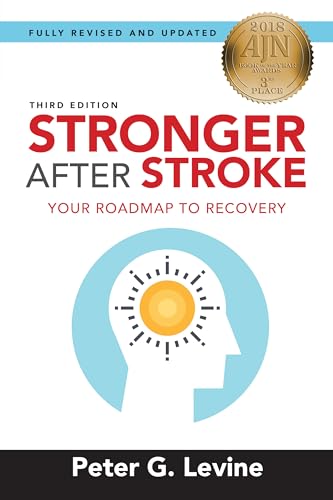
Stronger After Stroke, Third Edition: Your Roadmap to Recovery: Levine, Peter G
Now in its third edition, Stronger After Stroke <strong>puts the power of recovery in the reader's hands by providing simple-to-follow instructions for reaching the highest possible level of reco
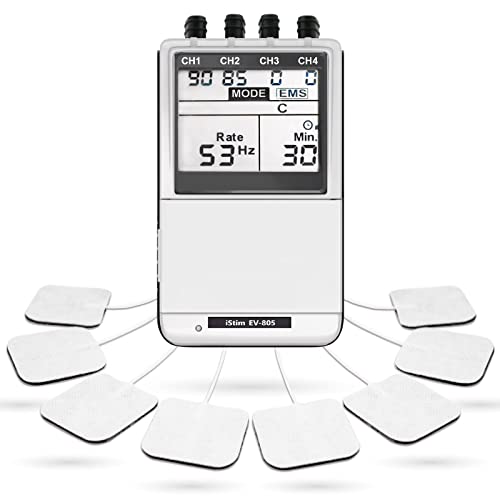
iSTIM EV-805 TENS EMS 4 Channel Rechargeable Combo Machine Unit - Muscle Stimulator + Back Pain Relief and Management- 24 Programs/Backlit (Including Electrodes Pads)
4 in 1 - D.I.Y & Tens Unit & EMS & Massage Muscle Stimulator, Dual Channel TENS Units Therapy Machine for Pain Relief, <strong>FDA Cleared Rechargeable Electronic Pulse Massager,with 12pcs
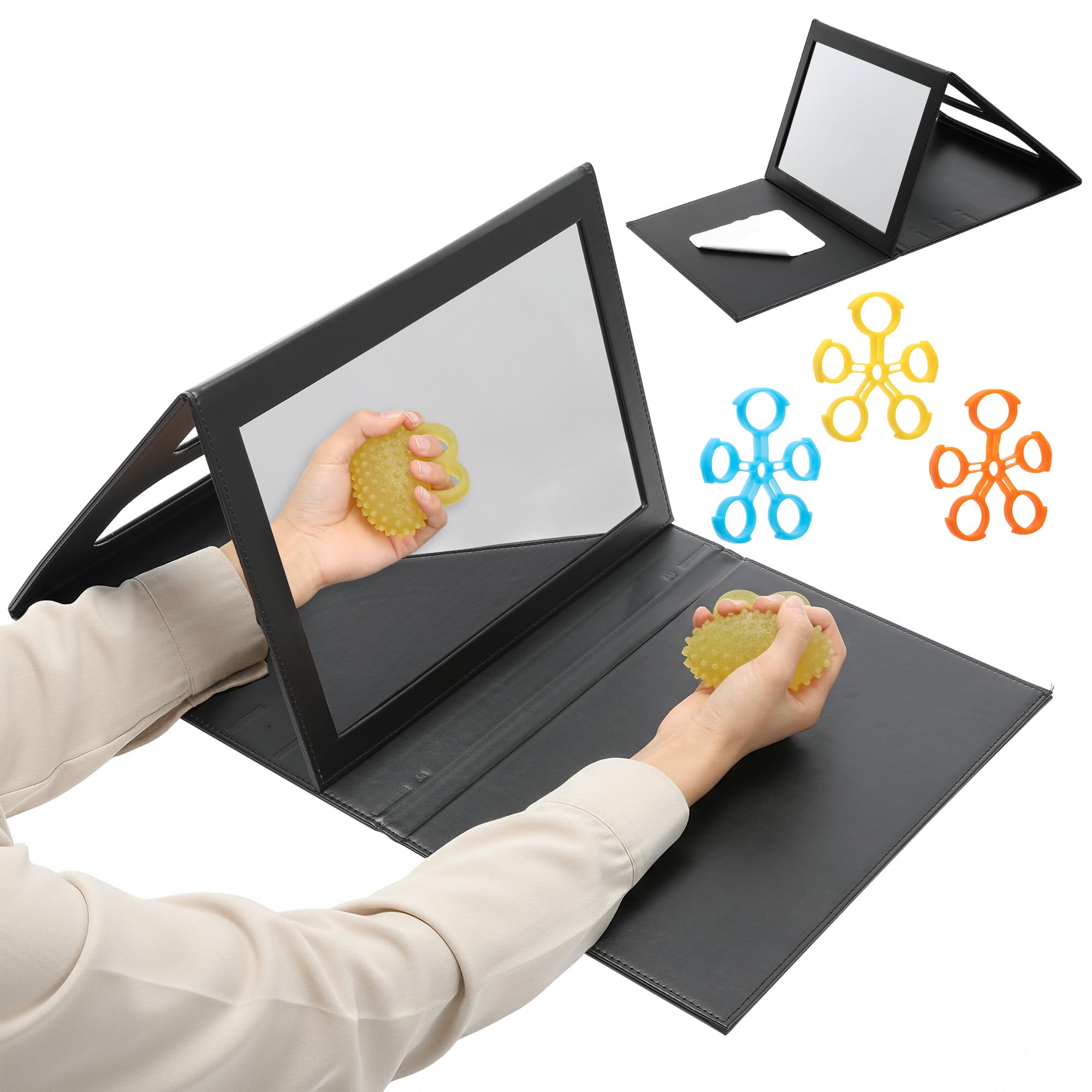
Mirror Therapy Box for Stroke Rehabilitation - Large Visual Range, Folding & Adjustable Mirror Box for Hand & Arm Exercise
Achieva SMART Mirror Box Therapy, One Hand Use. Mirror Position Adjusts. Cutout for Air Flow and Therapist View for Occupational, Physical Rehab, Phantom Limb Pain, Stroke Rehabilitation, CRPS.
Evidence & Sources
Promising research with growing clinical support from multiple studies
- World Stroke Organization
- American Heart Association/American Stroke Association
- National Institute of Neurological Disorders and Stroke (NINDS)
- Cochrane Stroke Group
- Archives of Physical Medicine and Rehabilitation
- Stroke
- Journal of Rehabilitation Medicine
- National Center for Complementary and Integrative Health (NCCIH)
This content is for informational purposes only and does not constitute medical advice. Always consult a qualified healthcare provider before starting, stopping, or changing any supplement or medication regimen.