

Stroke Recovery
Also known as: Post-Stroke Recovery, CVA Recovery, Cerebrovascular Accident Recovery
Overview
Stroke recovery refers to the physical, cognitive, emotional, and functional healing process that follows a stroke, which occurs when blood flow to part of the brain is interrupted or when bleeding damages brain tissue. Recovery is often complex because stroke can affect movement, speech, swallowing, memory, mood, vision, sensation, and independence in daily activities. The course of recovery varies widely depending on the type of stroke, the area of the brain involved, the size of the injury, a person’s age and overall health, and how quickly emergency treatment was received.
Recovery is typically most rapid in the first weeks to months after a stroke, but meaningful gains can continue for much longer. This process reflects the brain’s capacity for neuroplasticity, or its ability to reorganize and form new neural connections. Rehabilitation aims to help people regain lost abilities, adapt to persistent deficits, and reduce the risk of complications such as falls, aspiration, depression, muscle contractures, and recurrent stroke. For many individuals, stroke recovery also includes social reintegration, caregiver support, and long-term management of underlying vascular risk factors.
From a public health perspective, stroke remains a leading cause of disability worldwide. As survival after stroke has improved, more people are living with long-term effects that require multidisciplinary care. Common rehabilitation needs include physical therapy for walking and balance, occupational therapy for daily function, speech-language therapy for communication and swallowing, and psychological support for mood and cognitive changes. Integrative approaches are often explored alongside conventional rehabilitation to support quality of life, pain management, stress reduction, sleep, and functional recovery.
Because stroke recovery unfolds over time, supportive care is usually individualized rather than uniform. Research suggests that the most effective recovery plans often combine medical follow-up, structured rehabilitation, lifestyle modification, and appropriately selected supportive therapies. Any complementary approach is generally best considered within the broader context of stroke severity, medications, cardiovascular risk, and the need for coordinated care with qualified healthcare professionals.
Western Medicine Perspective
Western Medicine Perspective
In conventional medicine, stroke recovery is understood primarily through the frameworks of neurologic injury, neuroplasticity, and secondary prevention. Rehabilitation begins as early as medically feasible, sometimes within the first 24 to 48 hours in stable patients. Early assessment typically examines motor function, swallowing safety, speech and language, cognition, mood, bladder and bowel function, and the ability to perform activities of daily living. Studies indicate that organized stroke-unit care and interdisciplinary rehabilitation are associated with improved survival and functional outcomes.
Western rehabilitation commonly includes a combination of physical therapy, occupational therapy, and speech-language pathology, tailored to the patient’s impairments and goals. Evidence supports task-specific repetitive practice, gait training, balance work, upper-extremity rehabilitation, dysphagia management, communication therapy, and caregiver education. Depending on the deficits present, additional modalities may include constraint-induced movement therapy, aerobic conditioning, robotics-assisted therapy, functional electrical stimulation, cognitive rehabilitation, and treatment for spasticity or post-stroke pain. Management of depression, anxiety, sleep disturbance, and fatigue is also increasingly recognized as an important part of recovery.
Conventional care also focuses heavily on preventing another stroke. This may involve controlling blood pressure, diabetes, and cholesterol; addressing atrial fibrillation and other cardiac sources of embolism; supporting smoking cessation; and reviewing antiplatelet, anticoagulant, or other medications when appropriate. From an evidence-based standpoint, integrative therapies may be considered as adjunctive supports for symptoms such as pain, anxiety, mood disturbance, or general well-being, but they are not viewed as substitutes for emergency care, rehabilitation medicine, or vascular risk management. Clinicians generally emphasize careful screening for herb-drug interactions, bleeding risk, and swallowing safety when complementary therapies are being considered.
Eastern & Traditional Perspective
Eastern / Traditional Medicine Perspective
In Traditional Chinese Medicine (TCM), stroke has historically been discussed under concepts such as internal wind, phlegm, blood stasis, and deficiency affecting the channels, organs, and flow of qi and blood. Recovery work often focuses on restoring circulation, awakening affected channels, supporting constitutional weakness, and improving the connection between mind and body. Traditional approaches may include acupuncture, moxibustion, tui na, breathing practices, and individualized herbal formulas. In modern integrative settings, acupuncture is among the most commonly studied traditional therapies in post-stroke care, particularly for motor recovery, spasticity, pain, dysphagia, and aphasia, although results across studies remain mixed and methodology varies.
In Ayurveda, post-stroke symptoms are often interpreted through disturbances of vata dosha, especially when movement, speech, and nervous system function are affected. Traditional care may emphasize restoring balance through gentle bodywork, oil-based therapies, dietary adjustment, daily routines, meditation, and selected herbal preparations. Naturopathic and holistic traditions may similarly focus on supporting resilience through nutrition, sleep regulation, stress reduction, mind-body practices, and gradual restoration of function. These systems often view recovery as involving not only the nervous system but also digestion, energy, emotional state, and the individual’s overall constitution.
Across Eastern and traditional systems, the emphasis is often on whole-person rehabilitation rather than isolated symptom treatment. Practices such as tai chi, qigong, meditation, and gentle yoga are sometimes explored for balance, mood, body awareness, and confidence during longer-term recovery, especially once medically stable. However, traditional therapies are best understood as complementary frameworks. Research suggests some may offer supportive benefits for selected symptoms or quality-of-life measures, but evidence quality is uneven, and safety considerations remain important for individuals with swallowing issues, impaired mobility, anticoagulant use, or complex medical histories. Collaboration with licensed practitioners and the conventional stroke care team is an important safeguard in integrative recovery planning.
Supplements & Products
Recommended Products
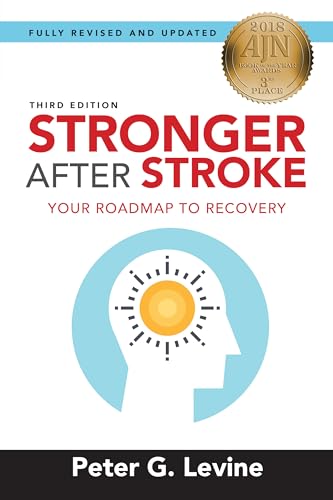
Stronger After Stroke, Third Edition: Your Roadmap to Recovery: Levine, Peter G
Now in its third edition, Stronger After Stroke <strong>puts the power of recovery in the reader's hands by providing simple-to-follow instructions for reaching the highest possible level of reco
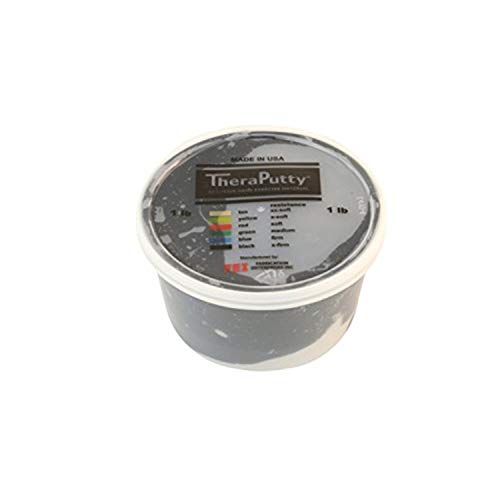
CanDo Theraputty Plus Hand Exercise Putty for Rehabilitation, Exercises, Hand Thearpy, Occupational Therapy, Hand Strengthening, Improve Motor Skills, Stress Relief 1-Pound 6-Piece Set
<strong>Available in six industry standard color-coded resistance levels</strong>, CanDo TheraPutty Plus hand putty has different firmnesses ranging from xx-soft for strengthening the weakest grasp to
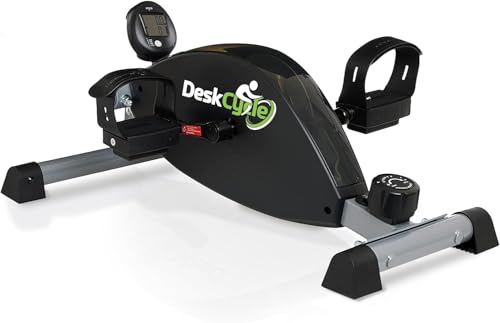
DeskCycle Under Desk Bike Pedal Exerciser - Stationary Bikes for Home & Office - Standard and Adjustable Height Versions
Adjustable Height: The DeskCycle 2 exercise bike is adjustable from 9"-10" tall. Drop it down to 9" for the desk bike pedal exerciser to be compatible with desks as low as 27" ...
Evidence & Sources
Promising research with growing clinical support from multiple studies
- American Heart Association/American Stroke Association Guidelines for Adult Stroke Rehabilitation and Recovery
- World Stroke Organization
- National Institute of Neurological Disorders and Stroke (NINDS)
- Cochrane Reviews on Stroke Rehabilitation
- National Center for Complementary and Integrative Health (NCCIH)
- Stroke journal
- The Lancet Neurology
- Archives of Physical Medicine and Rehabilitation
This content is for informational purposes only and does not constitute medical advice. Always consult a qualified healthcare provider before starting, stopping, or changing any supplement or medication regimen.