

Smoking Cessation Herbal Remedies
Overview
Smoking cessation herbal remedies refers to the use of botanicals, plant-derived preparations, and traditional herbal formulas as supportive tools during efforts to stop tobacco use. This topic sits at the intersection of nicotine dependence, behavioral health, and integrative medicine. Smoking remains a major global health burden and is strongly associated with cardiovascular disease, chronic lung disease, cancer, and pregnancy complications. Because nicotine addiction involves both physiologic dependence and habitual or emotional reinforcement, many people explore a combination of conventional therapies, counseling, and complementary approaches, including herbs.
Herbal approaches are typically discussed in the context of managing symptoms that can arise during smoking cessation, such as cravings, irritability, anxiety, restlessness, low mood, poor concentration, and sleep disruption. Some remedies are traditionally used to calm the nervous system, support stress resilience, or provide sensory substitution for the ritual of smoking. Examples sometimes mentioned in integrative and traditional literature include lobelia, St. John’s wort, oat straw, skullcap, valerian, green tea, black pepper inhalation aromatherapy, and multi-herb formulas used in Traditional Chinese Medicine or Ayurveda. However, the quality of evidence varies substantially between remedies, and not all herbs marketed for smoking cessation have strong clinical support.
From a research standpoint, herbal remedies for smoking cessation are best viewed as an adjunctive area rather than a stand-alone, clearly established treatment category. Studies suggest that some plant-based interventions may help with stress, mood, or cue-related cravings, but results are often mixed, sample sizes are small, and study designs differ widely. Safety also matters: herbal products can interact with medications, affect mood or blood pressure, and vary in strength and purity. For that reason, integrative use is generally framed within a broader cessation plan and discussed with a qualified healthcare professional, especially for people with mental health conditions, pregnancy, cardiovascular disease, or those taking prescription medicines.
A balanced understanding of this topic recognizes two realities at once: traditional systems have long used herbs to ease withdrawal-like symptoms and calm the mind, while modern evidence remains uneven and incomplete for many specific remedies. The most reliable smoking cessation strategies in contemporary healthcare still center on behavioral support and established pharmacologic tools, but interest in herbal and traditional options continues because smoking dependence is complex, personal, and often influenced by stress, routine, and emotional factors.
Western Medicine Perspective
Western Medicine Perspective
In conventional medicine, smoking cessation is understood primarily as the treatment of tobacco use disorder, a chronic relapsing condition driven by nicotine addiction, reward pathways in the brain, conditioned behaviors, and social or psychological triggers. Standard evidence-based approaches include behavioral counseling, nicotine replacement therapy, and prescription medications such as varenicline and bupropion. These interventions have a much stronger evidence base than most herbal remedies and are the core of guideline-supported care.
From a western clinical perspective, herbal remedies are generally considered complementary rather than first-line treatments. Research on botanicals for smoking cessation has explored several possible mechanisms: reducing anxiety during withdrawal, improving mood, altering sensory cues associated with smoking, or modulating craving. For example, some small studies have examined black pepper essential oil inhalation as a sensory substitute for cigarette smoke, while other investigations have looked at herbs traditionally used for calming or mood support. However, systematic reviews generally indicate that the evidence is insufficient or inconsistent to conclude that most herbs improve long-term quit rates.
Safety and product quality are central concerns in conventional assessment. Certain herbs can cause adverse effects or interact with antidepressants, sedatives, anticoagulants, blood pressure medicines, and other drugs. Lobelia, historically promoted for smoking cessation, has raised safety concerns because of its pharmacologic effects and toxicity risk at higher exposures. St. John’s wort is well known for interacting with many medications through effects on liver enzymes and transport proteins. In addition, dietary supplements are not regulated to the same premarket standard as prescription drugs, so potency and contamination can vary across products.
Overall, western medicine recognizes that some patients are interested in herbal support, particularly for stress and withdrawal discomfort, but current evidence places most smoking cessation herbs in the category of adjunctive, investigational, or symptom-supportive interventions rather than established cessation therapies. Clinicians typically emphasize that any herbal use should be disclosed to healthcare providers so potential interactions, contraindications, and mental health considerations can be reviewed.
Eastern & Traditional Perspective
Eastern/Traditional Medicine Perspective
In Traditional Chinese Medicine (TCM), smoking dependence may be interpreted less as a single isolated diagnosis and more as a pattern involving Lung imbalance, Qi stagnation, Heat, Phlegm, or disturbance of the Shen due to craving, agitation, and habitual attachment. TCM approaches often aim to reduce internal irritability, clear heat, transform phlegm, calm the mind, and support the Lung system during recovery from long-term smoke exposure. Herbal formulas are traditionally individualized rather than selected by a single smoking-related label, and they may be paired with acupuncture, ear acupressure, breathing practices, and dietary adjustments. In this framework, treatment focuses not only on nicotine withdrawal but also on the broader pattern of tension, restlessness, cough, dryness, or emotional dysregulation.
In Ayurveda, smoking dependence may be viewed through the lens of disturbed Vata and Rajas, with possible involvement of depleted Ojas and irritation of the respiratory channels. Herbal strategies are traditionally intended to steady the mind, reduce agitation, support resilience, and cleanse or nourish tissues affected by chronic smoke exposure. Herbs with calming or restorative reputations may be considered in traditional practice, although classical Ayurvedic management generally emphasizes the person’s constitution, digestive state, stress load, and behavioral habits rather than a one-size-fits-all stop-smoking herb.
In naturopathic and broader traditional herbalist practice, smoking cessation is often approached by supporting several domains at once: the nervous system, stress response, sleep, mood, and the oral or sensory ritual that accompanies smoking. Practitioners may discuss nervine herbs, adaptogenic herbs, or aromatic substitutes, with the understanding that these are intended to support the process rather than directly neutralize nicotine dependence. The traditional rationale often centers on making withdrawal feel more manageable and helping the individual disengage from habitual cues.
Traditional systems generally bring a holistic and individualized framework to smoking cessation, which many patients find meaningful. At the same time, when these approaches are evaluated by modern clinical standards, the evidence for specific herbal formulas or plants is still limited. As a result, integrative care often places traditional herbal approaches alongside counseling and conventional cessation methods, with attention to safety, product quality, and the need for coordination with qualified healthcare professionals.
Supplements & Products
Recommended Products

Allen Carr's Easy Way to Stop Smoking: New US Edition: Over 20 Million Copies Sold: Carr, Allen
Allen Carr's Easy Way to Stop Smoking is <strong>a self-help classic</strong>. It has been a #1 bestseller in nine countries and has outsold all other quit smoking books combined. This seminal bo

Gaia Herbs Serenity with Passionflower Liquid Phyto-Capsules, 60 Count
Proprietary Synergistic Extract ... Mugwort herb (Artemesia vulgaris ), Peppermint leaf (Mentha piperita). <strong>Take 1 capsule 3 times daily between meals</strong>....
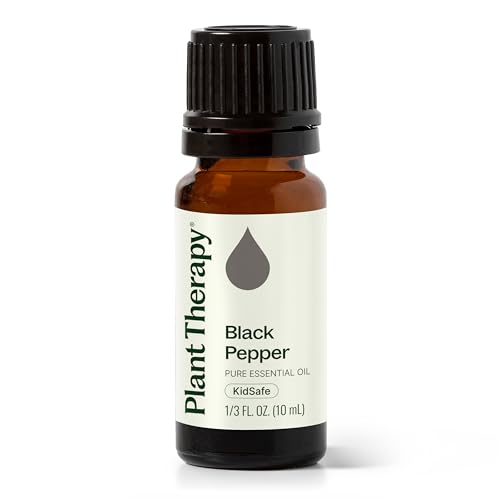
Plant Therapy Black Pepper Essential Oil 10 mL (1/3 oz) 100% Pure, Undiluted, Therapeutic Grade
Amazon.com: <strong>Plant Therapy Black Pepper Essential Oil 10 mL</strong> (1/3 oz) 100% Pure, Undiluted, Therapeutic Grade : Health & Household
Evidence & Sources
Early-stage research, mostly preclinical or preliminary human studies
- Cochrane Database of Systematic Reviews
- U.S. Public Health Service Clinical Practice Guideline: Treating Tobacco Use and Dependence
- National Center for Complementary and Integrative Health (NCCIH)
- World Health Organization (WHO)
- Centers for Disease Control and Prevention (CDC)
- JAMA
- Nicotine & Tobacco Research
- Addiction
- American Thoracic Society Clinical Practice Guideline
- National Cancer Institute
This content is for informational purposes only and does not constitute medical advice. Always consult a qualified healthcare provider before starting, stopping, or changing any supplement or medication regimen.