

Sjögren’s Syndrome
Overview
Sjögren’s syndrome is a chronic autoimmune condition in which the immune system primarily targets the body’s moisture-producing glands, especially the salivary and tear glands. The best-known symptoms are dry eyes and dry mouth, but the condition can extend well beyond glandular dryness. Many people also experience fatigue, joint pain, muscle aches, swelling of salivary glands, dry skin, vaginal dryness, chronic cough, and difficulties with swallowing or dental health. In some cases, Sjögren’s affects the lungs, kidneys, nervous system, blood vessels, or other organs, making it a systemic autoimmune disease rather than only a dryness disorder.
Sjögren’s syndrome may occur on its own (primary Sjögren’s) or alongside other autoimmune conditions such as rheumatoid arthritis, lupus, autoimmune thyroid disease, or systemic sclerosis. It is seen far more often in women than in men and is most frequently diagnosed in midlife, although it can occur at other ages. Prevalence estimates vary depending on classification criteria and the population studied, but it is widely recognized as one of the more common systemic autoimmune rheumatic diseases. Diagnosis can be delayed because symptoms may develop gradually, overlap with menopause, medication side effects, fibromyalgia, or other chronic illnesses, and vary considerably from person to person.
From a biomedical standpoint, Sjögren’s involves immune-mediated inflammation and dysfunction of exocrine glands, with autoantibodies such as anti-SSA/Ro and anti-SSB/La often present. Researchers also study the roles of B-cell activation, interferon signaling, genetics, hormones, and environmental triggers. Importantly, Sjögren’s is associated with an increased risk of certain complications, including corneal damage, dental decay, oral infections, neuropathy, interstitial lung disease, kidney involvement, and a higher-than-average risk of lymphoma, particularly in people with specific clinical risk factors.
Because the condition can affect quality of life in multiple ways, care often involves both symptom management and assessment for systemic disease. Research increasingly emphasizes that Sjögren’s is a heterogeneous condition: some individuals mainly have gland-related symptoms, while others have broader inflammatory or organ-related manifestations. Patients commonly benefit from evaluation by healthcare professionals familiar with autoimmune disease, such as rheumatologists, ophthalmologists, dentists, and other specialists when needed.
Medical Perspectives
Two Ways of Seeing Health

Western
scientific · clinical
Western medicine applies science, technology, and clinical experience to treat symptoms through testing, diagnosis, and targeted intervention.

Eastern
traditional · alternative
Eastern medicine focuses on treating the body naturally by applying traditional knowledge practiced for thousands of years, emphasizing balance and whole-person wellness.
Gold Bamboo presents both perspectives side-by-side so you can make informed decisions. We don't advocate for one over the other — your health choices are yours.
Western Medicine Perspective
Western / Conventional Medicine Perspective
In conventional medicine, Sjögren’s syndrome is understood as a systemic autoimmune disorder characterized by lymphocytic infiltration of exocrine glands and, in some patients, immune activity affecting multiple organs. Diagnostic evaluation typically combines clinical symptoms, objective testing for dryness, blood tests, and sometimes tissue analysis. Common tools include Schirmer testing for tear production, ocular surface staining, measures of salivary flow, ultrasound or imaging of salivary glands, and minor salivary gland biopsy. Laboratory work may include antinuclear antibodies (ANA), rheumatoid factor, anti-SSA/Ro, anti-SSB/La, inflammatory markers, blood counts, kidney and liver tests, and complementary studies based on symptoms.
Modern classification criteria, including the 2016 ACR/EULAR criteria, aim to standardize diagnosis in research and improve diagnostic consistency. Even so, clinicians recognize that not every person with Sjögren’s fits neatly into a single pattern. Some individuals are strongly seropositive, while others have fewer classic antibodies but still show compatible gland biopsy findings or imaging results. Differential diagnosis is important because dryness may also result from medications, aging, diabetes, hepatitis C, HIV, sarcoidosis, prior radiation exposure, or other autoimmune and inflammatory disorders.
Conventional management generally focuses on symptom burden, organ involvement, and long-term monitoring, rather than a single uniform therapy. Supportive approaches may include eye and oral dryness care, dental prevention strategies, and evaluation of fatigue, pain, sleep, and mood symptoms. For systemic disease, conventional care may involve immunomodulatory or immunosuppressive therapies in selected cases, depending on the organs affected and disease severity. Research suggests that some biologic therapies and targeted immune approaches may help particular subgroups, but responses have been variable across trials, reflecting the disease’s heterogeneity.
A key aspect of the western approach is surveillance for complications. Clinicians often monitor for recurrent parotid swelling, vasculitis, neuropathy, cytopenias, kidney disease, lung disease, and warning signs associated with lymphoma risk. Preventive dental and eye care are considered important because chronic dryness can lead to progressive tissue damage. Overall, conventional medicine views Sjögren’s as a complex, multisystem immune disease requiring individualized assessment and, in many cases, coordinated multidisciplinary care.
Eastern & Traditional Perspective
Eastern / Traditional Medicine Perspective
In Traditional Chinese Medicine (TCM), Sjögren’s syndrome is not defined as a single disease entity in the modern biomedical sense, but its symptom pattern is often interpreted through frameworks such as yin deficiency, dryness, heat, fluid depletion, and disharmony involving the Lung, Stomach, Liver, and Kidney systems. Dry eyes and dry mouth may be understood as manifestations of insufficient nourishing fluids, while fatigue, aching, and systemic symptoms may be interpreted through combinations of deficiency and lingering heat or stagnation. TCM assessment tends to be pattern-based, considering the overall presentation rather than only the autoimmune label.
Traditional East Asian approaches have historically used herbal formulas, acupuncture, dietary patterning, and lifestyle regulation to address dryness, fatigue, and constitutional imbalance. Contemporary integrative research has explored acupuncture and Chinese herbal medicine for symptom relief in sicca syndromes, but the evidence remains mixed and generally limited by small sample sizes, heterogeneity, and varying study quality. As a result, these methods are best described as traditionally used and under ongoing investigation rather than established disease-modifying treatments.
In Ayurveda, Sjögren’s-like symptoms may be viewed through disturbances involving Vata and Pitta, with depletion of bodily tissues and fluids contributing to dryness, irritation, and fatigue. Ayurvedic interpretations may also consider impaired digestive/metabolic balance and systemic constitutional factors. Traditional Ayurvedic care has included herbs, oleation-based practices, dietary adjustments, and routines aimed at restoring lubrication and balance, though modern clinical evidence specific to Sjögren’s syndrome is still limited.
Naturopathic and integrative medicine frameworks often emphasize the broader terrain of chronic inflammation, immune dysregulation, mucosal health, stress physiology, sleep, and nutrient status. Some supportive modalities have been explored for quality-of-life concerns, but robust evidence for altering the autoimmune course of Sjögren’s is still emerging. Across eastern and traditional systems, an important caveat is that persistent dry eyes, dry mouth, neuropathic symptoms, gland swelling, and systemic features warrant evaluation by licensed medical professionals, since Sjögren’s can involve serious complications that require conventional monitoring.
Supplements & Products
Recommended Products
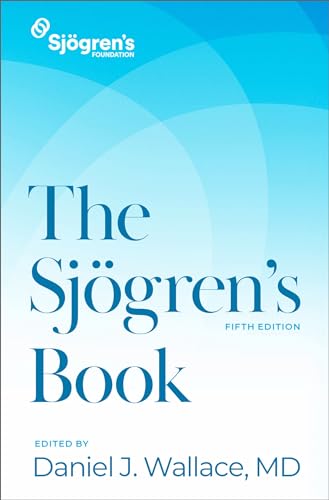
The Sjögren's Book: Wallace, Daniel J.
Not only does this book detail how this systemic disease is diagnosed and managed by health care professionals, but it <strong>provides a comprehensive guide on how to cope with its myriad manifestati

REFRESH RELIEVA PF Preservative-Free Artificial Tears Lubricant Eye Drops, 0.33 fl oz (10 mL), 1 Count : Everything Else
Its dual-action (two active ... irritation. Additionally, REFRESH RELIEVA PF is <strong>specifically formulated with hyaluronic acid, an inactive ingredient, and without preservatives</strong>....

Oracoat XyliMelts for Dry Mouth Night Time or Day - Moisturizing Dry Mouth Adhering Discs, Sugar Free with Xylitol, 40 Count, Slightly-Sweet Flavor, 8-Hour Relief
Oracoat XyliMelts for Dry Mouth Night Time or Day - Moisturizing Dry Mouth Adhering Discs, Sugar Free with Xylitol, 230 Count, Slightly Sweet Flavor, 8-Hour Relief ... Biotene Dry Mouth Lozenges for D
Evidence & Sources
Promising research with growing clinical support from multiple studies
- American College of Rheumatology / European League Against Rheumatism (ACR/EULAR) classification criteria publications
- Sjögren’s Foundation
- National Institute of Dental and Craniofacial Research (NIDCR), NIH
- National Eye Institute (NEI), NIH
- Nature Reviews Rheumatology
- The Lancet Rheumatology
- Annals of the Rheumatic Diseases
- Arthritis & Rheumatology
- EULAR recommendations for the management of Sjögren’s syndrome
- National Center for Complementary and Integrative Health (NCCIH)
This content is for informational purposes only and does not constitute medical advice. Always consult a qualified healthcare provider before starting, stopping, or changing any supplement or medication regimen.