

Shortness of Breath
Also known as: Breathlessness, Dyspnea, Trouble Breathing
Overview
Shortness of breath—also called dyspnea—is the sensation of difficult, uncomfortable, or inadequate breathing. People describe it in different ways: feeling “air hungry,” unable to take a full breath, tight in the chest, or easily winded with activity. It is not a disease itself, but a symptom that can arise from many causes, ranging from temporary and mild to urgent and life-threatening. Because breathing is tied closely to both physical and emotional states, shortness of breath may reflect problems involving the lungs, heart, blood, metabolism, nervous system, or stress response.
This symptom is common across outpatient, urgent care, and hospital settings. Research and clinical guidelines associate dyspnea with conditions such as asthma, chronic obstructive pulmonary disease (COPD), pneumonia, heart failure, anemia, anxiety and panic, deconditioning, allergic reactions, and post-viral syndromes, including lingering respiratory complaints after COVID-19. Shortness of breath may appear suddenly, as in an asthma flare or panic episode, or develop gradually over time, as in chronic lung or cardiac disease. The context matters: symptoms at rest, with exertion, when lying flat, or accompanied by chest pain, wheezing, cough, fever, leg swelling, dizziness, or bluish lips can point to different underlying patterns.
From a public health perspective, dyspnea is significant because it is both common and nonspecific. A mild episode may relate to exertion, altitude, nasal congestion, or emotional stress, while severe or rapidly worsening breathlessness can signal emergencies such as pulmonary embolism, severe asthma, heart attack, anaphylaxis, or serious infection. For that reason, clinicians generally view shortness of breath as a symptom that requires interpretation within the broader clinical picture rather than in isolation.
A balanced understanding of shortness of breath benefits from both conventional medical assessment and traditional systems of pattern recognition. Western medicine focuses on identifying physiologic causes through history, examination, and testing. Eastern and traditional approaches often interpret breath symptoms in relation to energy, organ-system balance, constitutional weakness, phlegm accumulation, stress, and recovery after illness. Across both perspectives, an important theme is that persistent, unexplained, or severe breathing difficulty warrants evaluation by a qualified healthcare professional.
Medical Perspectives
Two Ways of Seeing Health

Western
scientific · clinical
Western medicine applies science, technology, and clinical experience to treat symptoms through testing, diagnosis, and targeted intervention.

Eastern
traditional · alternative
Eastern medicine focuses on treating the body naturally by applying traditional knowledge practiced for thousands of years, emphasizing balance and whole-person wellness.
Gold Bamboo presents both perspectives side-by-side so you can make informed decisions. We don't advocate for one over the other — your health choices are yours.
Western Medicine Perspective
Western Medicine Perspective
In conventional medicine, shortness of breath is understood as a symptom arising when the body’s demand for oxygen and ventilation does not match its ability to breathe effectively, circulate blood, or utilize oxygen at the tissue level. Clinicians commonly group causes into several broad categories:
- Pulmonary causes: asthma, COPD, pneumonia, interstitial lung disease, pleural effusion, pulmonary embolism
- Cardiac causes: heart failure, ischemic heart disease, arrhythmias, valvular disease
- Hematologic/metabolic causes: anemia, acidosis, thyroid disorders
- Psychological and neurologic causes: anxiety, panic, dysfunctional breathing, neuromuscular disorders
- Other contributors: obesity, deconditioning, pregnancy, post-viral inflammation, medication effects
Evaluation generally begins with the timing, severity, and triggers of symptoms. Sudden dyspnea raises concern for acute airway, lung, or cardiovascular events, while chronic dyspnea often points toward asthma, COPD, heart failure, deconditioning, or chronic inflammatory conditions. Clinicians may use physical examination findings, pulse oximetry, chest imaging, electrocardiography, spirometry or pulmonary function testing, laboratory testing, and sometimes echocardiography or CT imaging to determine the underlying cause. In post-viral or long COVID presentations, symptoms may persist even when routine testing is relatively unrevealing, and research suggests that inflammation, autonomic dysfunction, impaired conditioning, and altered breathing mechanics may all contribute.
Conventional management depends entirely on the identified cause rather than the symptom alone. Evidence-based approaches may include treatment of airway inflammation, optimization of cardiac function, rehabilitation for deconditioning, breathing retraining for dysfunctional breathing, or addressing anxiety-related hyperventilation patterns. Clinical guidance consistently emphasizes that red-flag symptoms—such as severe respiratory distress, chest pain, fainting, bluish discoloration, confusion, high fever, or rapidly worsening symptoms—require urgent medical evaluation. This is especially important because dyspnea can sometimes be the first sign of a serious underlying illness.
Eastern & Traditional Perspective
Eastern / Traditional Medicine Perspective
In Traditional Chinese Medicine (TCM), shortness of breath is often interpreted through the functional systems of the Lung, Spleen, Kidney, and Heart rather than through a single disease label. The Lung is said to govern qi and respiration, so breathlessness may be associated with Lung qi deficiency, phlegm obstructing the lungs, invasion of wind-heat or wind-cold, or failure of the Kidneys to “grasp” qi in chronic weakness patterns. TCM texts also connect emotional strain, grief, and prolonged illness with disruption of the chest qi, which may contribute to a sense of tightness, shallow breathing, or fatigue with breathing. Assessment typically looks for an overall pattern that includes cough, sputum, fatigue, spontaneous sweating, tongue findings, pulse quality, and whether symptoms worsen with exertion or emotional distress.
In Ayurveda, breathing difficulty may be discussed in relation to Shwasa disorders and interpreted through imbalance in Vata and Kapha doshas, with Pitta involvement in inflammatory states. A heavy, congested, mucus-laden presentation may be viewed differently from dry, anxious, irregular breathing. Digestive strength, tissue nourishment, resilience after illness, and environmental aggravators are often considered part of the pattern. Traditional frameworks may also connect chronic breath weakness to depleted vitality or impaired systemic balance rather than the lungs alone.
Within naturopathic and integrative traditions, shortness of breath is often approached by considering structural, inflammatory, infectious, emotional, and post-illness recovery dimensions together. Modalities historically used across traditional systems have included breathing practices, mind-body regulation, gentle movement, dietary support, botanical traditions, and acupuncture. Current research on some of these approaches—particularly acupuncture, pulmonary rehabilitation-style breathing exercises, and mind-body techniques—suggests possible benefit for symptom burden in selected populations, but findings are mixed and depend heavily on the underlying diagnosis.
Traditional systems generally emphasize individualized assessment and pattern differentiation. At the same time, reputable integrative care models also recognize that shortness of breath may represent a medical emergency. As a result, traditional interpretation is best understood as complementary to, not a substitute for, appropriate clinical evaluation when symptoms are new, significant, or unexplained.
Supplements & Products
Recommended Products
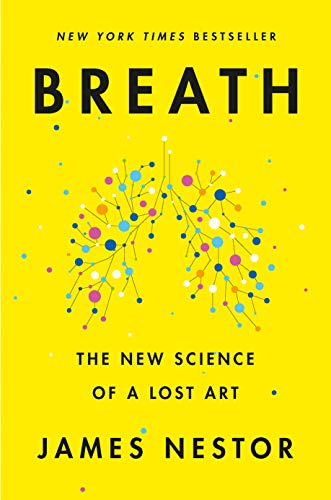
Breath: The New Science of a Lost Art: Nestor, James
Yet, as a species, humans have lost the ability to breathe correctly, with grave consequences. <strong>Journalist James Nestor travels the world to figure out what went wrong and how to fix it</strong

Zacurate Pro Series 500DL Fingertip Pulse Oximeter Blood Oxygen Saturation Monitor with Silicone Cover, Batteries and Lanyard (Royal Black)
Zacurate Pro Series 500DL Fingertip Pulse Oximeter Blood Oxygen Saturation Monitor with Silicone Cover, Batteries and Lanyard (Blushing Pink)

Respironics Hs757-100 Disposable Oval Plastic Mouthpieces (100 Pack)
Includes 18 Ultrafines and 9 Reusable Filters (27 Total). CPAP Filters for Philips Respironics Dream Station 1 CPAP Machine ... Pack of 25 Disposable Mouthpieces (Compatible with Contec Spirometer SP1
Evidence & Sources
Promising research with growing clinical support from multiple studies
- American Thoracic Society
- American College of Cardiology
- Global Initiative for Asthma (GINA)
- Global Initiative for Chronic Obstructive Lung Disease (GOLD)
- National Heart, Lung, and Blood Institute (NHLBI)
- National Center for Complementary and Integrative Health (NCCIH)
- World Health Organization (WHO)
- New England Journal of Medicine
- The Lancet Respiratory Medicine
- Chest
This content is for informational purposes only and does not constitute medical advice. Always consult a qualified healthcare provider before starting, stopping, or changing any supplement or medication regimen.