

Seborrheic Dermatitis
Also known as: Seb Derm, Dandruff Dermatitis
Overview
Seborrheic dermatitis is a common, chronic, relapsing inflammatory skin condition that typically affects areas rich in oil-producing sebaceous glands, especially the scalp, eyebrows, sides of the nose, ears, beard area, and chest. It often appears as flaky scale, redness, itch, and greasy or yellow-white patches, though presentation varies by age, skin tone, and body site. In infants, a related form is often called cradle cap. While not usually dangerous, seborrheic dermatitis can be persistent, cosmetically distressing, and associated with periods of worsening and remission.
Current understanding suggests the condition arises from an interaction among skin barrier function, immune and inflammatory responses, sebum production, and the cutaneous microbiome, particularly yeasts in the Malassezia genus. Research indicates seborrheic dermatitis is not simply a matter of "dry skin" or poor hygiene. Instead, it appears to reflect a heightened inflammatory response to organisms and oils normally present on the skin. Environmental stress, cold or dry weather, harsh skin products, neurological disease, immunologic factors, and emotional stress may all influence symptom severity in some individuals.
Seborrheic dermatitis is considered one of the most prevalent inflammatory skin disorders. It is especially common in infants, in adolescents and adults during peak sebaceous activity, and in older adults. Studies also note higher rates in people with conditions such as Parkinson's disease, HIV infection, and certain neurologic or immunologic disorders, highlighting the role of host factors in disease expression. The condition may overlap clinically with dandruff, psoriasis, atopic dermatitis, rosacea, or contact dermatitis, which can make diagnosis and management more nuanced.
From an integrative health perspective, interest often centers on inflammation regulation, microbiome balance, gentle skin support, trigger awareness, and long-term maintenance rather than short-term suppression alone. Both conventional and traditional systems recognize that seborrheic dermatitis tends to be recurrent, and that supportive care often involves identifying aggravating patterns, minimizing skin irritation, and working with a qualified clinician when symptoms are severe, widespread, infected, or difficult to distinguish from other skin conditions.
Medical Perspectives
Two Ways of Seeing Health

Western
scientific · clinical
Western medicine applies science, technology, and clinical experience to treat symptoms through testing, diagnosis, and targeted intervention.

Eastern
traditional · alternative
Eastern medicine focuses on treating the body naturally by applying traditional knowledge practiced for thousands of years, emphasizing balance and whole-person wellness.
Gold Bamboo presents both perspectives side-by-side so you can make informed decisions. We don't advocate for one over the other — your health choices are yours.
Western Medicine Perspective
Western / Conventional Medicine Perspective
In conventional dermatology, seborrheic dermatitis is understood as a multifactorial inflammatory disorder. The leading model involves an abnormal inflammatory response to Malassezia yeast, combined with sebum-rich skin environments, altered skin barrier integrity, and individual susceptibility. This helps explain why affected areas cluster around the scalp and central face and why antifungal approaches often reduce symptoms even though the yeast is part of the normal skin flora. Research also suggests contributions from innate immunity, epidermal turnover, and neuroendocrine influences.
Diagnosis is usually clinical, based on the pattern and appearance of lesions. Clinicians may distinguish it from psoriasis, eczema, tinea infections, lupus, rosacea, and allergic or irritant contact dermatitis. Conventional management commonly focuses on reducing yeast burden, inflammation, and scaling, often through antifungal shampoos or cleansers, keratolytic ingredients, and anti-inflammatory topical agents. In some cases, calcineurin inhibitors or other prescription therapies are used for sensitive areas such as the face. Because the disorder often waxes and wanes, maintenance strategies are frequently part of long-term care.
A western integrative lens also considers broader associations. Studies have examined links with stress, sleep disruption, climate, skin-care irritants, and systemic conditions that may alter immune response or the skin microbiome. Although diet and gut-skin connections are of growing interest, evidence remains mixed and incomplete. For persistent, extensive, or atypical symptoms, evaluation by a dermatologist or other qualified healthcare professional is important to clarify diagnosis and rule out infection, immunologic disease, or other inflammatory dermatoses.
Eastern & Traditional Perspective
Eastern / Traditional Medicine Perspective
In Traditional Chinese Medicine (TCM), seborrheic dermatitis is not defined as a single disease entity in the modern biomedical sense, but symptoms may be interpreted through patterns involving wind, dampness, heat, and blood disharmony, particularly when redness, itching, and oily scaling are prominent. Scalp and facial involvement may be viewed as reflecting imbalances that affect the skin's surface and the body's ability to transform and transport fluids. Depending on the presentation, traditional practitioners may describe patterns such as damp-heat accumulation, wind-heat affecting the exterior, or blood dryness with residual heat in longer-standing, flaky conditions. Assessment is individualized and may include sleep, digestion, emotional stress, and constitutional tendencies.
In Ayurveda, comparable symptoms may be understood through disturbances of Pitta and Kapha doshas, especially where inflammation, oiliness, itching, and scaling coexist. Oily, red, irritated lesions may be interpreted as excess heat and moisture, while recurrent flaking may also involve impaired tissue nourishment or chronic imbalance. Traditional Ayurvedic frameworks often consider digestion, stress, climate, and daily routine relevant to skin expression, and they place emphasis on restoring systemic balance rather than treating the skin in isolation.
In naturopathic and other traditional systems, seborrheic dermatitis is often approached as a condition involving barrier disruption, inflammatory burden, microbiome imbalance, and constitutional susceptibility. Gentle topical support, reduction of irritant exposures, and whole-person pattern recognition are common themes. However, the quality of evidence for many traditional approaches is variable, and much of the literature is based on historical use, small studies, or extrapolation from broader inflammatory skin research rather than large, definitive clinical trials. As with any chronic skin condition, collaborative care with qualified healthcare providers is important, particularly for severe symptoms, infant involvement, or uncertainty about the diagnosis.
Supplements & Products
Recommended Products

The Good Skin Solution: Natural Healing for Eczema, Psoriasis, Rosacea and Acne: Jones, Shann Nix
Discover the surprising connection between your skin and gut health with this easy-to-understand guide on natural treatments for eczema and other skin conditions Eczema is the most common skin disorde
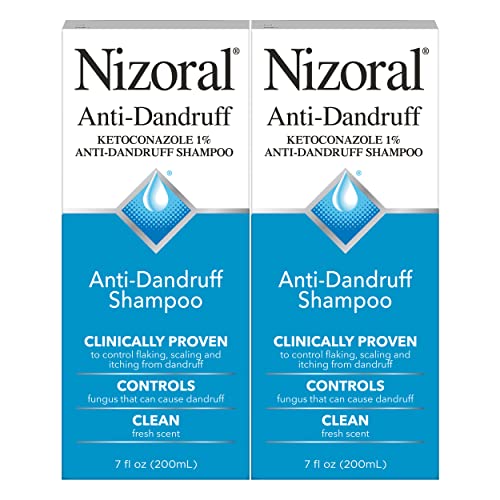
Nizoral Anti-Dandruff Shampoo with 1% Ketoconazole, Fresh Scent, 7 Fl Oz
Fresh-smelling anti-dandruff shampoo <strong>controls flaking, scaling, and itching associated with dandruff</strong>. Made with ketoconazole 1%. Use it just twice a week between regular shampoos for
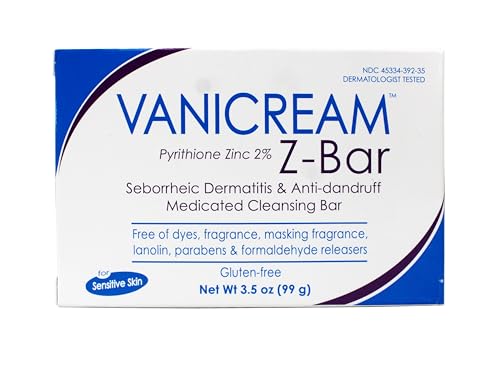
Vanicream Z Bar, Seborrheic Dermatitis & Anti-Dandruff Medicated Bar, 3.5 Oz, Formulated without Common Irritants for Sensitive Skin, 2% Pyrithione Zinc Helps Relieve Itching, Redness & Flaking
Vanicream 2% Pyrithione Zinc Bar for Soothing Relief Vanicream Z-Bar Medicated Cleansing Bar is <strong>a gentle cleansing option, specially developed for those experiencing symptoms of seborrheic der
Evidence & Sources
Promising research with growing clinical support from multiple studies
- American Academy of Dermatology
- National Eczema Association
- StatPearls
- Journal of Clinical and Investigative Dermatology
- Mycoses
- British Association of Dermatologists
- NCCIH
- World Journal of Dermatology
This content is for informational purposes only and does not constitute medical advice. Always consult a qualified healthcare provider before starting, stopping, or changing any supplement or medication regimen.