

Radiation Side Effects
Also known as: Radiation Therapy Side Effects
Overview
Radiation side effects refer to the physical and functional changes that can occur during or after radiation therapy, a common treatment used for many cancers. Radiation works by damaging the DNA of targeted cells, which helps control or destroy tumors, but nearby healthy tissues can also be affected. As a result, side effects may develop in the treatment area and sometimes more broadly throughout the body. Their pattern depends on several factors, including the radiation dose, treatment field, schedule, body region treated, concurrent chemotherapy or immunotherapy, and an individual’s overall health and nutritional status.
Commonly reported effects include fatigue, skin irritation, redness, dryness, peeling, localized pain, swelling, changes in appetite, and tissue-specific symptoms such as sore throat with head and neck radiation, bowel changes with pelvic radiation, or cough and shortness of breath with chest treatment. Some effects are acute, arising during treatment or shortly after, while others are late effects that may emerge months to years later, such as fibrosis, nerve changes, hormonal dysfunction, lymphedema, or changes in organ function. Not every person experiences side effects in the same way, and modern radiation techniques are designed to reduce exposure to surrounding tissues whenever possible.
From an integrative health perspective, public interest often centers on symptom relief, skin support, fatigue management, recovery, quality of life, and resilience during treatment. Research in supportive oncology suggests that nonpharmacologic approaches such as nutrition support, gentle physical activity, mind-body practices, selected topical care, and symptom-focused integrative therapies may help some patients cope with treatment burden when coordinated with oncology care. At the same time, some supplements, herbs, and topical agents may interact with treatment goals or skin integrity, so timing and clinical oversight remain important.
Because radiation side effects can range from mild and temporary to clinically significant, they are generally best understood as part of a broader supportive care framework. Conventional oncology, rehabilitation medicine, palliative care, nursing, nutrition, and selected traditional medicine systems all contribute perspectives on comfort, function, and healing. Any worsening symptoms, unexpected skin breakdown, fever, dehydration, bleeding, or breathing difficulty warrant prompt evaluation by a qualified healthcare professional.
Medical Perspectives
Two Ways of Seeing Health

Western
scientific · clinical
Western medicine applies science, technology, and clinical experience to treat symptoms through testing, diagnosis, and targeted intervention.

Eastern
traditional · alternative
Eastern medicine focuses on treating the body naturally by applying traditional knowledge practiced for thousands of years, emphasizing balance and whole-person wellness.
Gold Bamboo presents both perspectives side-by-side so you can make informed decisions. We don't advocate for one over the other — your health choices are yours.
Western Medicine Perspective
Western Medicine Perspective
In conventional medicine, radiation side effects are understood through the lens of normal tissue response to ionizing radiation. Radiation damages rapidly dividing cells more readily, which helps target cancer but can also affect healthy tissues with high turnover, such as skin, mucosal lining, bone marrow, and gastrointestinal tissue. Clinicians distinguish between early effects (for example, dermatitis, mucositis, nausea, diarrhea, fatigue) and late effects (such as fibrosis, strictures, xerostomia, pneumonitis, cardiotoxicity, endocrine changes, infertility, cognitive changes, or secondary malignancy risk in some settings). The risk profile depends heavily on anatomy treated, cumulative dose, fractionation, and prior therapies.
Modern oncology places strong emphasis on prevention, monitoring, and supportive management. Advances such as intensity-modulated radiation therapy (IMRT), image-guided radiation therapy (IGRT), stereotactic techniques, and proton therapy aim to improve tumor targeting while limiting dose to healthy tissue. Supportive care may include skin-care protocols, oral care, pain management, nutrition counseling, swallowing therapy, pelvic floor care, fatigue assessment, rehabilitation, and psychosocial support. For certain symptoms, evidence supports targeted interventions such as exercise for cancer-related fatigue, specific oral care measures for mucositis prevention in some populations, and structured survivorship follow-up for late effects.
Conventional clinicians also evaluate whether symptoms are directly caused by radiation, related to the cancer itself, or associated with other treatments such as chemotherapy, surgery, hormone therapy, or immunotherapy. This distinction matters because management differs by cause. In addition, oncology teams generally assess for complications that require urgent attention, including severe skin reactions, infection, pneumonitis, bowel obstruction, neurologic symptoms, significant dehydration, and treatment-limiting malnutrition. Overall, the western approach is centered on risk stratification, symptom control, organ preservation, and long-term follow-up.
Eastern & Traditional Perspective
Eastern and Traditional Medicine Perspective
Traditional medicine systems often view radiation side effects less as a single disease category and more as a pattern of depletion, heat, dryness, inflammation, and impaired recovery following an intense therapeutic stressor. In Traditional Chinese Medicine (TCM), symptoms such as fatigue, dry mouth, skin irritation, mouth sores, poor appetite, and bowel changes may be interpreted through patterns involving qi deficiency, yin depletion, heat-toxin, fluid injury, or blood stasis, depending on the individual presentation and treatment region. TCM supportive approaches have traditionally included acupuncture, acupressure, dietary therapy, gentle movement practices, and individualized herbal frameworks, although herb use during active oncology treatment is approached cautiously because of potential interactions and theoretical concerns about effects on treatment response.
In Ayurveda, radiation-related symptoms may be framed in terms of aggravation of pitta (heat, inflammation, burning, irritation) combined with vata disturbance (dryness, fatigue, weakness, irregular digestion, sleep disruption). Traditional Ayurvedic care may emphasize cooling, restorative, and digestive-supportive strategies, along with individualized lifestyle measures intended to support strength and comfort. In naturopathic and integrative oncology settings, attention is often given to nutrition, stress regulation, sleep, hydration, topical skin comfort, and nonpharmacologic symptom support.
Research on traditional and integrative approaches is mixed but growing. Studies suggest that acupuncture and related therapies may help certain cancer-treatment symptoms, particularly xerostomia, nausea, pain, and fatigue in some settings, though findings are not uniform and study quality varies. For radiation dermatitis and mucositis, evidence for many natural topicals, botanicals, and supplements remains limited, heterogeneous, or context-specific. As a result, eastern and traditional perspectives are often most appropriately considered adjunctive and supportive, ideally coordinated with radiation oncology and supportive care teams rather than used in isolation.
Supplements & Products
Recommended Products
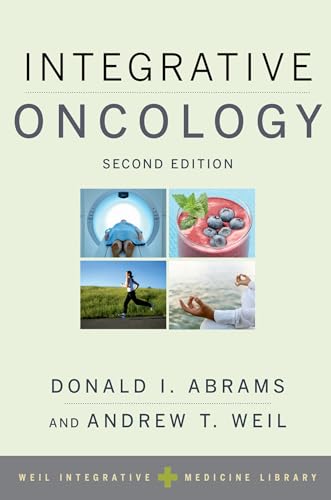
Integrative Oncology (Weil Integrative Medicine Library)
Integrative Oncology, the first volume in the Weil Integrative Medicine Library, <strong>provides a wealth of information for both practitioners and consumers on the emerging field of integrative onco
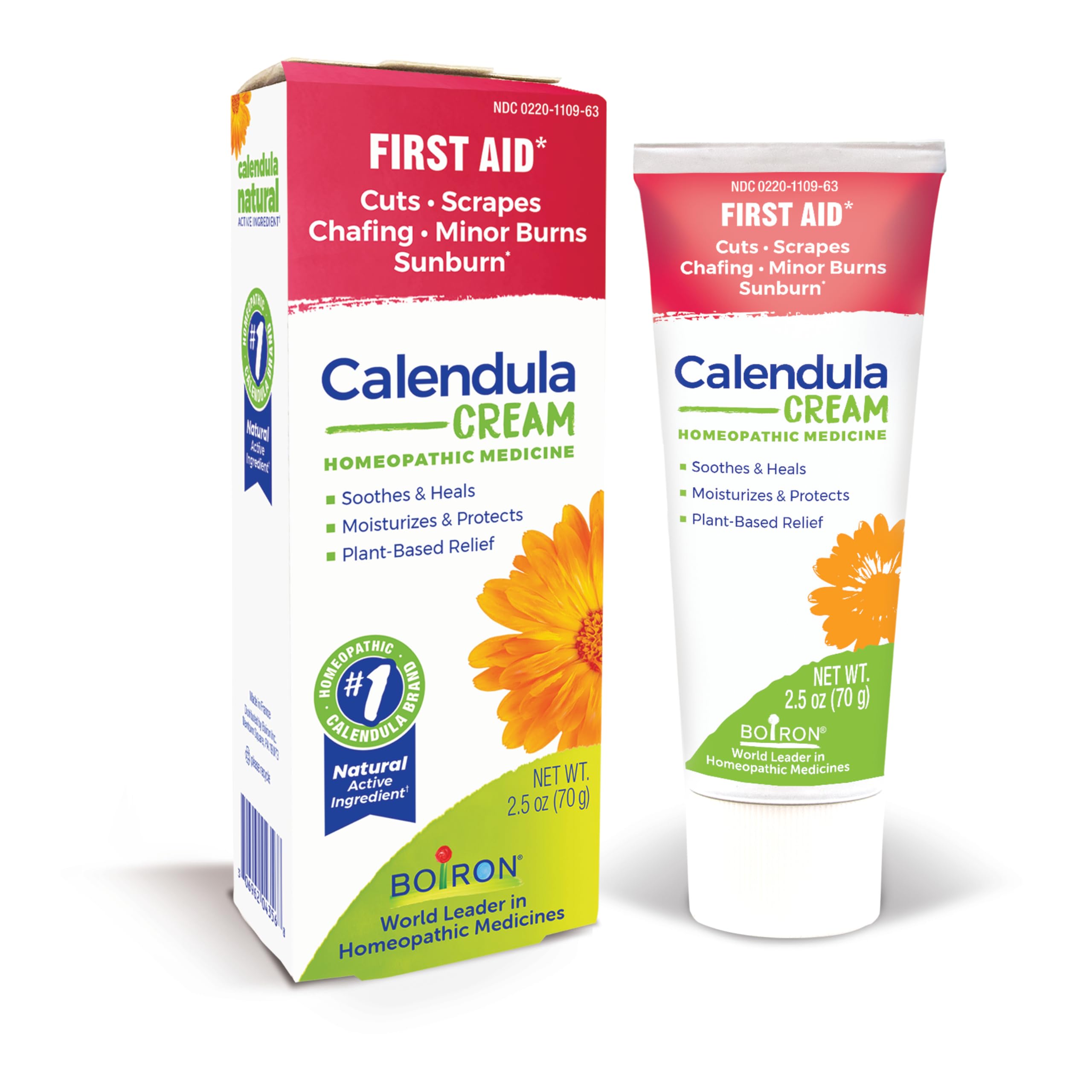
Boiron Calendula Cream for First Aid, Minor Burns, Cuts, Scrapes, Insect Bits and Sunburn - 2.5 oz : Everything Else
Buy Boiron Calendula Cream for First Aid, Minor Burns, Cuts, Scrapes, Insect Bits and Sunburn - 2.5 oz on Amazon.com ✓ FREE SHIPPING on qualified orders
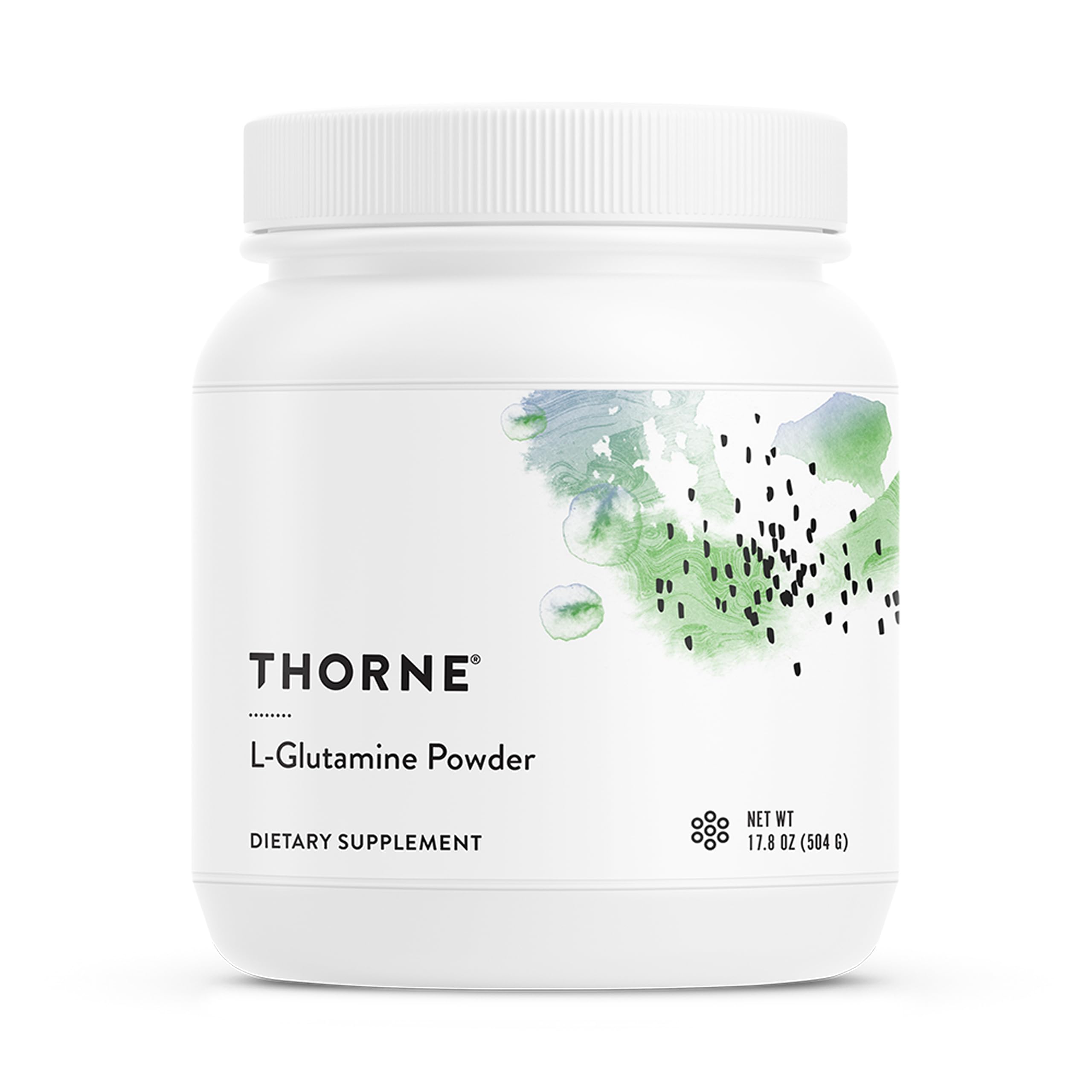
THORNE - L-Glutamine Powder - Glutamine Powder for GI Health and Immune Function* - 17.8 Oz
Momentous L-Glutamine Powder - <strong>Gut Health & Muscle Recovery Supplement - Boosts Exercise Performance & Immune Function</strong> - NSF Certified for Sport - 5 g - 60 Servings · Pure Enc
Evidence & Sources
Promising research with growing clinical support from multiple studies
- National Cancer Institute (NCI)
- American Society for Radiation Oncology (ASTRO)
- National Comprehensive Cancer Network (NCCN)
- Oncology Nursing Society (ONS)
- Cochrane Reviews
- National Center for Complementary and Integrative Health (NCCIH)
- MASCC/ISOO Clinical Practice Guidelines
- CA: A Cancer Journal for Clinicians
This content is for informational purposes only and does not constitute medical advice. Always consult a qualified healthcare provider before starting, stopping, or changing any supplement or medication regimen.