

PTSD (Post-Traumatic Stress Disorder)
Overview
Post-traumatic stress disorder (PTSD) is a mental health condition that can develop after exposure to actual or threatened death, serious injury, sexual violence, combat, disaster, assault, medical trauma, or other overwhelming events. While many people experience distress, fear, or intrusive memories after trauma, PTSD refers to a more persistent pattern of symptoms that may include re-experiencing the event, avoidance, negative changes in mood or thinking, and heightened arousal or reactivity. Symptoms can interfere with sleep, concentration, relationships, work, and overall quality of life, and they may emerge soon after trauma or appear months later.
PTSD is clinically significant because trauma exposure is common, but recovery is highly variable. Research from psychiatric and public health sources indicates that only a portion of trauma-exposed individuals develop full PTSD, with risk shaped by factors such as trauma severity, repeated exposure, childhood adversity, social support, genetics, coexisting depression or substance use, and ongoing stress. PTSD can affect adults, adolescents, and children, and it is seen across civilian, military, refugee, and first responder populations. Some people experience complex or prolonged trauma-related symptoms, particularly after repeated interpersonal trauma, although diagnostic terminology varies across systems.
PTSD is also closely linked with physical health. Studies suggest associations with chronic pain, cardiovascular disease, sleep disorders, gastrointestinal symptoms, immune dysregulation, and increased health care use. The condition commonly coexists with anxiety disorders, depression, substance use disorders, traumatic brain injury, and dissociative symptoms. Because trauma affects both mind and body, many contemporary discussions of PTSD use a biopsychosocial framework that considers neurobiology, psychological processing, relationships, culture, and environment.
Across health systems, PTSD is increasingly understood as a condition that benefits from trauma-informed, individualized care. Conventional medicine emphasizes diagnosis, psychotherapy, and management of co-occurring conditions, while traditional and integrative systems may focus on restoring balance, calming the nervous system, strengthening resilience, and supporting sleep, digestion, and emotional regulation. Any persistent trauma-related symptoms warrant evaluation by a qualified health professional, especially when safety concerns, severe dissociation, substance misuse, or suicidal thoughts are present.
Western Medicine Perspective
Western Medicine Perspective
In conventional medicine, PTSD is defined by diagnostic criteria in systems such as the DSM-5-TR and ICD-11. Core symptom clusters include intrusive memories or nightmares, avoidance of reminders, negative changes in thoughts and mood, and hyperarousal such as irritability, exaggerated startle, or sleep disruption. Western models describe PTSD as involving altered threat processing, fear conditioning, memory consolidation, and stress-response regulation, with research implicating networks involving the amygdala, hippocampus, prefrontal cortex, autonomic nervous system, and hypothalamic-pituitary-adrenal axis. These models do not reduce PTSD to biology alone; they also recognize the role of meaning, attachment, social support, and ongoing adversity.
Assessment typically includes a detailed trauma history, symptom review, screening for depression, anxiety, substance use, dissociation, sleep problems, and suicide risk, and attention to medical contributors that may mimic or worsen symptoms. Evidence-based treatment literature most strongly supports trauma-focused psychotherapies, including approaches such as prolonged exposure, cognitive processing therapy, trauma-focused cognitive behavioral therapy, and eye movement desensitization and reprocessing (EMDR). Medication may be used in some cases, often to address PTSD symptoms or common co-occurring conditions, though outcomes vary and psychotherapy is often considered central in many guidelines. Research also explores adjunctive approaches such as sleep-focused care, group therapy, family interventions, digital therapeutics, and carefully studied body-based or mindfulness-informed therapies.
A trauma-informed western approach places emphasis on safety, choice, collaboration, and functional recovery rather than symptom reduction alone. Clinicians may also address occupational impact, relationship strain, and physical health consequences. In severe or complex presentations, care may involve psychiatry, psychology, primary care, social work, rehabilitation, and community support services. Consultation with licensed mental health and medical professionals is important because PTSD can overlap with other conditions and requires individualized assessment.
Eastern & Traditional Perspective
Eastern and Traditional Medicine Perspective
Traditional and integrative systems generally do not map PTSD exactly onto a single classical diagnosis, but they often describe trauma-related suffering in terms of disturbed shen/spirit, dysregulated qi or prana, depletion of vitality, impaired sleep, and loss of internal balance. In Traditional Chinese Medicine (TCM), presentations associated with trauma may be interpreted through patterns involving Heart shen disturbance, Liver qi stagnation, Kidney deficiency, phlegm misting the mind, or disharmony between organ systems affecting sleep, fear, vigilance, and emotional regulation. In Ayurveda, trauma-related symptoms may be framed through aggravation of Vata dosha, especially when there is hypervigilance, insomnia, fear, variable digestion, and nervous system sensitivity.
Traditional approaches often emphasize restoring rhythm and regulation through mind-body practices, breathwork, meditation, yoga, acupuncture, lifestyle regularity, dietary support, and herbal traditions, with the goal of improving resilience and calming the stress response. Naturopathic and integrative frameworks may also focus on sleep quality, inflammation, autonomic balance, social connection, and whole-person recovery. These systems often highlight that trauma is embodied as well as psychological, and that healing may involve gradual restoration of a sense of safety in the body.
From an evidence standpoint, some traditional or integrative interventions have growing but still mixed research support as adjuncts in trauma care. Studies suggest possible benefit from certain mindfulness-based interventions, yoga, tai chi, and acupuncture for symptom reduction, stress regulation, or sleep in some populations, but findings are heterogeneous and methods vary. Herbal medicine is less consistently studied, and safety, quality control, and drug-herb interactions remain important considerations. For these reasons, traditional approaches are generally best understood as complementary within a broader care plan, with involvement of qualified practitioners and coordination with mental health professionals when PTSD is suspected or diagnosed.
Supplements & Products
Recommended Products

The Body Keeps the Score: Brain, Mind, and Body in the Healing of Trauma: van der Kolk M.D., Bessel
Bessel van der Kolk may focus on ... Children “The Body Keeps the Score <strong>eloquently articulates how overwhelming experiences affect the development of brain, mind, and body awareness</strong>,
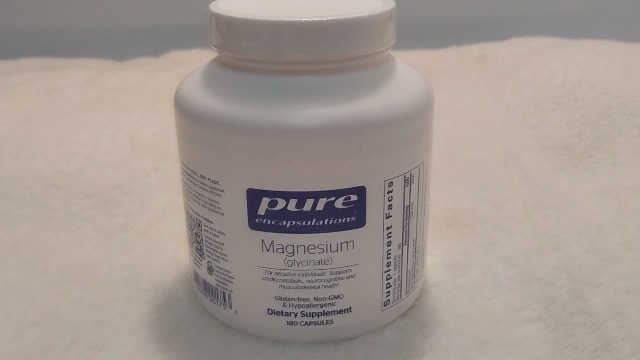
Pure Encapsulations Magnesium (Glycinate) - Supplement to Support Stress Relief, Sleep, Heart Health, Nerves, Muscles, and Metabolism* - with Magnesium Glycinate - 180 Capsules
... Naturebell Pure Magnesium Glycinate ... Non-GMO, Fiiler Free · THORNE - Magnesium Glycinate - <strong>Supports Restful Sleep, Muscle Relaxation, Heart Health & Metabolism</strong>* - Chelated
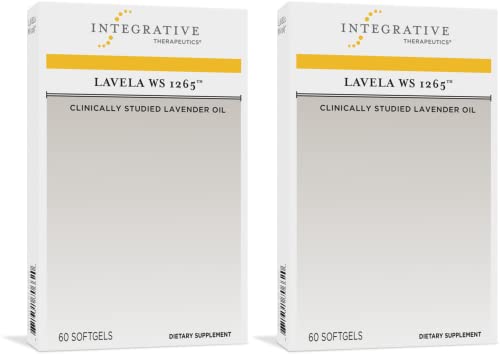
Integrative Therapeutics Lavela WS 1265 - Lavender Essential Oil Supplement for Sleep & Stress Support* - Dairy-Free - 60 Softgels (60 Servings)
Integrative Therapeutics Lavela WS 1265 - <strong>Lavender Essential Oil Supplement for Sleep & Stress Support</strong>* - Dairy-Free - 60 Softgels (60 Servings) English Lavender (Lavandula angust
Evidence & Sources
Promising research with growing clinical support from multiple studies
- National Institute of Mental Health (NIMH)
- U.S. Department of Veterans Affairs & Department of Defense (VA/DoD) Clinical Practice Guideline for PTSD
- American Psychiatric Association, Diagnostic and Statistical Manual of Mental Disorders (DSM-5-TR)
- World Health Organization, ICD-11
- National Center for Complementary and Integrative Health (NCCIH)
- The Lancet Psychiatry
- JAMA Psychiatry
- Cochrane Database of Systematic Reviews
This content is for informational purposes only and does not constitute medical advice. Always consult a qualified healthcare provider before starting, stopping, or changing any supplement or medication regimen.