

Prostate Cancer Support
Also known as: Prostate Cancer Integrative Support, Prostate Cancer Recovery
Prostate Cancer Support Overview
Prostate cancer support refers to the broad range of supportive and integrative strategies used alongside conventional cancer care or during survivorship to help address symptoms, treatment-related side effects, emotional stress, and quality-of-life concerns. It does not imply an alternative to standard oncology treatment. Instead, this topic generally includes supportive approaches related to urinary function, fatigue, sexual health, bowel changes, sleep, stress, inflammation, nutrition, physical activity, and recovery after surgery, radiation, hormone therapy, or other medical treatment.
Prostate cancer is one of the most commonly diagnosed cancers in men worldwide, and outcomes vary widely depending on stage, tumor biology, age, and overall health. Many people live for years after diagnosis, making supportive care especially important across the full continuum of care: active surveillance, active treatment, recovery, and long-term survivorship. Research and clinical practice increasingly recognize that symptom burden may persist even when cancer is controlled, particularly in areas such as urinary urgency or leakage, erectile dysfunction, hot flashes related to androgen-deprivation therapy, mood changes, and reduced physical conditioning.
A comprehensive support framework often includes nutrition counseling, exercise and rehabilitation, psychosocial care, pelvic floor therapy, sleep support, palliative care, and carefully coordinated integrative therapies such as acupuncture, mindfulness-based approaches, or massage in appropriate settings. Studies suggest that some of these supportive methods may help improve fatigue, stress, pain, or treatment-related symptoms, although evidence quality differs substantially by intervention. The best-studied approaches are typically those integrated into hospital-based supportive oncology programs rather than products marketed as anticancer cures.
Because prostate cancer is biologically complex and treatment decisions can be highly individualized, supportive care is generally viewed as most beneficial when it is coordinated with oncology, urology, primary care, rehabilitation, and when relevant, integrative medicine professionals. This is especially important because some supplements, herbs, or restrictive diets may interact with medications, affect bleeding risk around procedures, or create confusion about evidence-based treatment goals. In this area, a balanced approach emphasizes symptom relief, function, resilience, and informed discussions with qualified healthcare providers.
Medical Perspectives
Two Ways of Seeing Health

Western
scientific · clinical
Western medicine applies science, technology, and clinical experience to treat symptoms through testing, diagnosis, and targeted intervention.

Eastern
traditional · alternative
Eastern medicine focuses on treating the body naturally by applying traditional knowledge practiced for thousands of years, emphasizing balance and whole-person wellness.
Gold Bamboo presents both perspectives side-by-side so you can make informed decisions. We don't advocate for one over the other — your health choices are yours.
Western Medicine Perspective
Western / Conventional Medicine Perspective
In conventional medicine, prostate cancer support is part of supportive oncology and survivorship care. The focus is on reducing symptom burden, preserving function, and helping people tolerate or recover from treatment. Common supportive concerns include urinary incontinence, urinary frequency, bowel irritation after radiation, sexual dysfunction, fatigue, muscle loss, bone health, anxiety, depression, and hot flashes associated with hormone therapy. Western care teams may include oncologists, urologists, radiation oncologists, nurses, dietitians, physical therapists, mental health clinicians, sexual health specialists, and palliative care professionals.
Evidence-based supportive strategies commonly emphasized in conventional settings include structured exercise, pelvic floor rehabilitation, symptom-directed nutrition support, psychosocial counseling, and palliative care integration when appropriate. Research suggests that physical activity may help improve fatigue, physical function, mood, and some treatment-related metabolic effects. Pelvic floor muscle training is frequently used to support recovery of urinary control after prostate surgery. Psychological and behavioral interventions, including mindfulness-based stress reduction and cognitive behavioral approaches, have also been studied for distress, sleep, and quality of life in cancer populations.
Integrative therapies are increasingly evaluated within this framework. For example, some studies indicate that acupuncture may help with cancer-related pain, hot flashes, or treatment-related symptom burden in selected patients, though findings are mixed and not specific to every prostate cancer scenario. Nutritional patterns emphasizing overall cardiometabolic health are often discussed because many men with prostate cancer are older and may also be managing cardiovascular risk, diabetes, or obesity, particularly during androgen-deprivation therapy. At the same time, conventional oncology remains cautious about claims that supplements, detox regimens, or herbal protocols can control the cancer itself; such claims generally lack sufficient evidence and may sometimes create safety concerns.
From a conventional standpoint, the central principle is that supportive care can be highly valuable, but it is best understood as adjunctive, individualized, and monitored, not curative. Patients interested in complementary therapies are commonly encouraged to discuss them openly with their oncology team so possible benefits, limitations, and interactions can be reviewed in context.
Eastern & Traditional Perspective
Eastern / Traditional Medicine Perspective
In Traditional Chinese Medicine (TCM), supportive care for prostate cancer is often framed through patterns involving disruptions in the flow of Qi and Blood, accumulation of dampness, phlegm, heat, or toxin, and weakness in organ systems such as the Kidney, Spleen, or Liver. Rather than focusing only on the tumor, TCM traditionally evaluates the broader terrain of symptoms: urinary difficulty, pelvic discomfort, fatigue, emotional strain, weakness after treatment, or dryness and heat-related symptoms associated with hormone therapy. Modalities may include acupuncture, moxibustion, dietary therapy, mind-body practices, and individualized herbal formulas.
From this perspective, acupuncture is among the most commonly discussed supportive tools because it has been studied in modern integrative oncology settings for symptoms such as pain, stress, hot flashes, and overall quality of life. Traditional herbal medicine is also used in some regions as part of supportive cancer care, but the evidence base is variable, formula quality can differ, and herb-drug interactions remain a significant concern. For that reason, even within integrative models, herbal approaches are generally viewed as requiring careful coordination with oncology care.
In Ayurveda, prostate cancer support may be interpreted through imbalances in doshas, impaired tissue metabolism, inflammatory burden, and reduced vitality during or after treatment. Supportive practices may include dietary regulation, gentle movement, breathing practices, meditation, restorative routines, and selected botanicals traditionally used to support strength and recovery. In naturopathic and other traditional systems, emphasis is often placed on reducing whole-body stress, supporting sleep, digestion, and resilience, and addressing quality of life with nonpharmacologic therapies.
Across Eastern and traditional systems, the strongest role in contemporary cancer care is generally in symptom support and restoration, not replacement of standard treatment. Research into these approaches is growing, but much of the literature remains heterogeneous, making individualized assessment and collaboration with licensed practitioners especially important.
Supplements & Products
Recommended Products
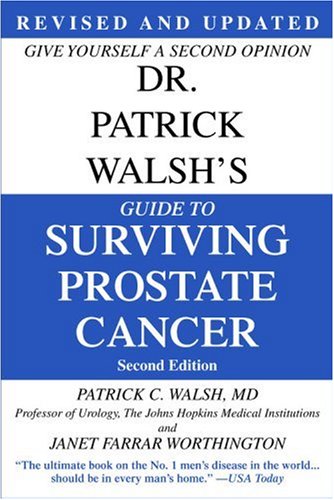
Dr. Patrick Walsh's Guide to Surviving Prostate Cancer: Walsh MD MD, Patrick C., Worthington, Janet Farrar, Schaeffer MD PhD, Edward M
This revised guide <strong>covers every aspect of prostate cancer: everything from potential causes, diets, and diagnostic tests to curative treatment and innovative means of controlling advanced stag
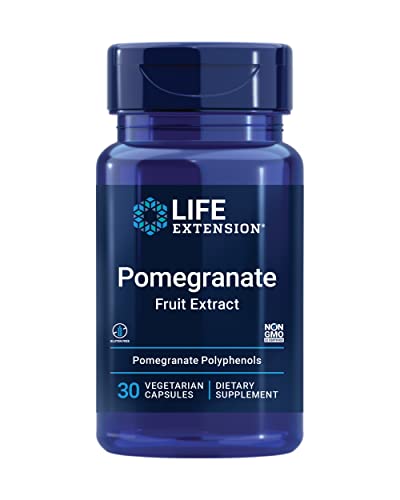
Life Extension Pomegranate Fruit Extract, 500 mg, antioxidant polyphenols for Cardiovascular Health, superfood, Gluten Free, Non-GMO, Vegetarian, 30 Capsules
Pomegranate polyphenols provide cardiovascular health support, antioxidant protection and more. Our Pomegranate Fruit Extract is made with a standardized pomegranate extract, which utilizes a propriet
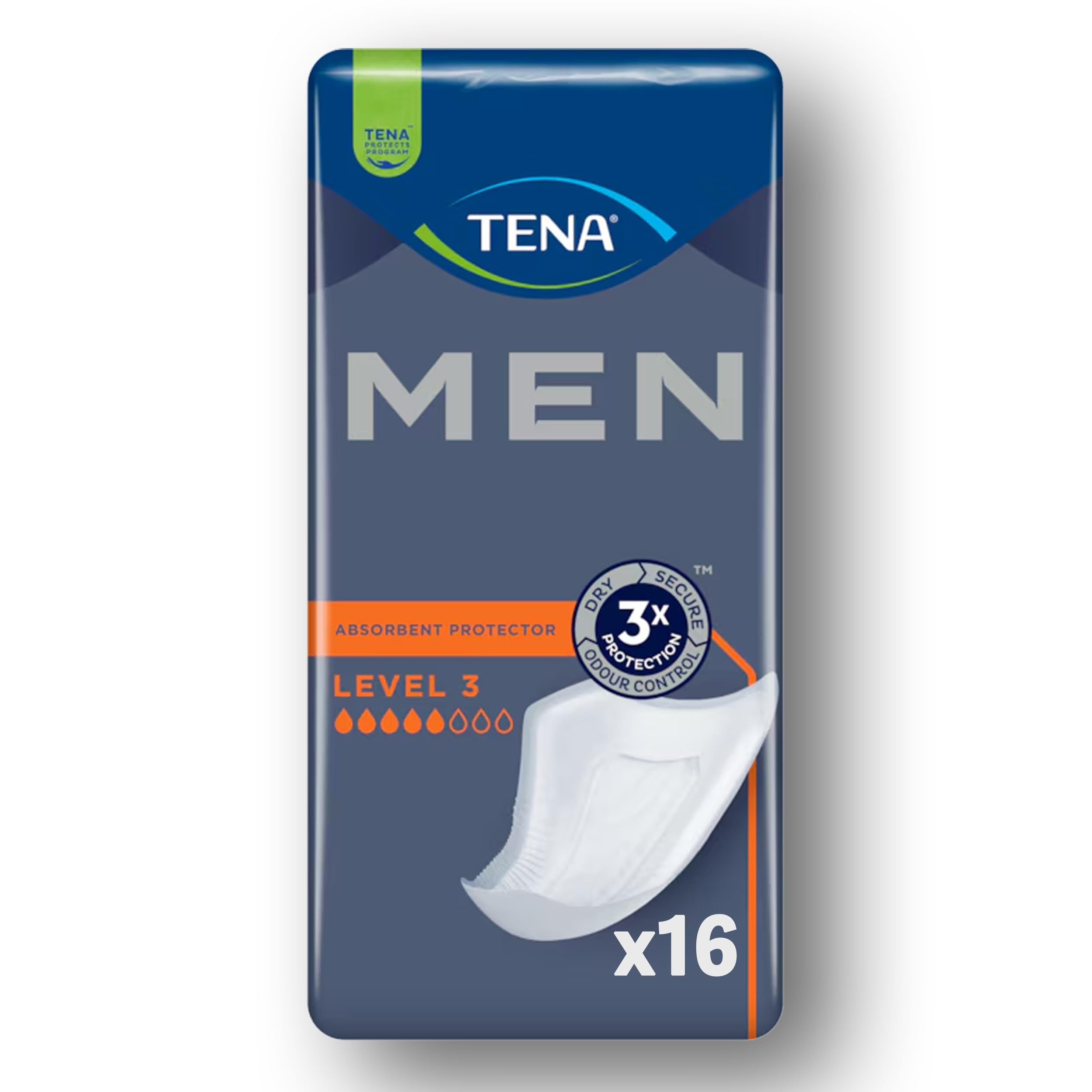
TENA Men Protective Incontinence Guards for Men, Maximum Absorbency, 144 Count
Incontinence Guards for Men: <strong>Designed for a snug, secure fit with a soft, cloth-like outer cover that ensures all-day comfort</strong> · Advanced Odor Protection: Effectively combats urine odo
Evidence & Sources
Promising research with growing clinical support from multiple studies
- National Cancer Institute (PDQ) Integrative, Alternative, and Complementary Therapies
- National Center for Complementary and Integrative Health (NCCIH)
- American Cancer Society
- American Society of Clinical Oncology
- European Association of Urology Guidelines
- CA: A Cancer Journal for Clinicians
- Journal of Clinical Oncology
- JAMA Oncology
This content is for informational purposes only and does not constitute medical advice. Always consult a qualified healthcare provider before starting, stopping, or changing any supplement or medication regimen.