

Premenstrual Syndrome
Also known as: PMS
Premenstrual Syndrome (PMS): Overview
Premenstrual syndrome (PMS) refers to a recurring pattern of physical, emotional, and behavioral symptoms that arise during the luteal phase of the menstrual cycle—typically in the days to two weeks before menstruation—and improve shortly after bleeding begins. Symptoms vary widely and may include bloating, breast tenderness, fatigue, headaches, food cravings, irritability, mood changes, anxiety, sleep disturbance, and difficulty concentrating. For some individuals, symptoms are mild; for others, they can interfere meaningfully with work, relationships, and quality of life.
PMS is considered common among menstruating individuals of reproductive age, though prevalence estimates differ depending on how strictly it is defined and whether symptoms are tracked prospectively over time. A more severe mood-predominant form, premenstrual dysphoric disorder (PMDD), is recognized separately in conventional medicine because of its greater psychological and functional impact. Not all premenstrual symptoms indicate PMS, and clinicians often distinguish it from other conditions that may worsen cyclically, including depression, anxiety disorders, migraine, thyroid disorders, endometriosis, and perimenopausal symptoms.
Current understanding suggests PMS is not simply caused by abnormal hormone levels, but rather by a heightened sensitivity to normal cyclical changes in estrogen and progesterone and their downstream effects on neurotransmitters, fluid balance, sleep, appetite, and pain perception. This helps explain why symptoms can involve both body and mind, and why experiences differ so much between individuals. Lifestyle factors, stress, prior mental health history, and sleep quality may also influence symptom severity.
Because PMS affects multiple systems and exists on a spectrum, many people explore a combination of conventional and complementary approaches for symptom management. Research has examined dietary strategies, exercise, stress reduction, cognitive-behavioral approaches, herbal medicine, acupuncture, and nutritional supplements, but the quality of evidence varies. A balanced evaluation typically includes careful symptom tracking and consultation with a qualified healthcare professional, especially when symptoms are severe, new, or disruptive.
Compare Treatment Options
PMS and menstrual pain are often discussed together because they can overlap in the same cycle, but they are not exactly the same problem. Premenstrual syndrome (PMS) refers to recurring physical, emotional, and behavioral symptoms that arise in the luteal phase before bleeding starts and improve soon after menstruation begins. Menstrual pain, often called dysmenorrhea, usually refers to cramping pelvic pain during the days just before or during bleeding. Some people mainly experience cramps, while others have a broader pattern that includes bloating, headaches, fatigue, irritability, breast tenderness, or mood changes. Treatment options vary because the biology can vary. In some cases, symptoms are driven largely by prostaglandins and uterine cramping; in others, symptom patterns may relate more to hormonal sensitivity, sleep disruption, stress, inflammation, or coexisting conditions such as endometriosis, fibroids, adenomyosis, migraine, or PMDD. Western approaches often focus on anti-inflammatory pain relief, hormonal cycle suppression, or symptom-targeted care. Eastern approaches such as acupuncture and traditional herbal medicine are commonly used to address cyclic pain patterns, stress reactivity, and whole-body symptom clusters. A useful decision process often depends on symptom severity, timing, impact on daily life, need for rapid relief, and comfort with medication or procedure-related risk.
View treatment comparison (6 options)Medical Perspectives
Two Ways of Seeing Health

Western
scientific · clinical
Western medicine applies science, technology, and clinical experience to treat symptoms through testing, diagnosis, and targeted intervention.

Eastern
traditional · alternative
Eastern medicine focuses on treating the body naturally by applying traditional knowledge practiced for thousands of years, emphasizing balance and whole-person wellness.
Gold Bamboo presents both perspectives side-by-side so you can make informed decisions. We don't advocate for one over the other — your health choices are yours.
Western Medicine Perspective
Western / Conventional Medicine Perspective
In conventional medicine, PMS is understood as a cyclical symptom complex linked to ovulation and the luteal phase. Diagnosis is generally based on the timing, pattern, and severity of symptoms, rather than a single blood test or imaging study. Clinicians often rely on prospective symptom diaries over at least two menstrual cycles to confirm that symptoms consistently appear before menstruation and improve afterward. This process helps distinguish PMS from other medical or psychiatric conditions that may mimic or overlap with it.
Western research has focused on the interaction between ovarian hormones and the central nervous system, especially serotonin-related pathways, GABA signaling, and individual sensitivity to hormonal fluctuations. Studies indicate that people with PMS may respond differently to normal hormonal changes rather than having consistently abnormal hormone concentrations. Conventional management frameworks may include education, menstrual tracking, evaluation for coexisting conditions, and symptom-targeted options. In more severe cases, clinical literature discusses therapies such as selective serotonin reuptake inhibitors (SSRIs), hormonal suppression strategies, and supportive psychotherapy, while also recognizing roles for exercise, sleep regulation, and nutrition.
Complementary symptom-management strategies are also studied within the western evidence model. Research has investigated calcium, vitamin B6, magnesium, chasteberry, saffron, acupuncture, and mind-body interventions, among others. Results are mixed: some interventions show promise for selected symptoms, but study quality, product standardization, placebo response, and inconsistent diagnostic criteria remain important limitations. For that reason, conventional sources often emphasize individualized assessment and encourage discussion with a healthcare provider before combining supplements or herbs with medications, especially for mood-related symptoms or underlying health conditions.
Eastern & Traditional Perspective
Eastern / Traditional Medicine Perspective
In Traditional Chinese Medicine (TCM), premenstrual symptoms are often interpreted through patterns rather than a single disease category. PMS is commonly associated with Liver qi stagnation, especially when irritability, breast tenderness, mood swings, and bloating predominate. Other patterns may include qi and blood deficiency, Spleen deficiency with dampness, or Liver yang rising, depending on the symptom presentation. Traditional approaches aim to restore balance in the flow of qi and blood across the menstrual cycle, often using individualized combinations of acupuncture, moxibustion, herbal formulas, and dietary/lifestyle regulation. These systems emphasize that emotional stress, irregular routines, and constitutional imbalances may contribute to recurring symptoms.
In Ayurveda, PMS may be viewed through the lens of dosha imbalance, with symptoms interpreted differently depending on whether Vata, Pitta, or Kapha features are more prominent. For example, irritability and heat may be associated with aggravated Pitta, anxiety and insomnia with Vata disturbance, and fluid retention or lethargy with Kapha excess. Ayurvedic frameworks traditionally consider digestion, stress, sleep, and menstrual regularity to be interconnected, and may use individualized herbal preparations, daily routine practices, breathing techniques, yoga, and food-based balancing strategies.
Naturopathic and integrative traditions often take a whole-person, cycle-aware approach, emphasizing stress physiology, inflammation, sleep quality, digestive health, and micronutrient status while also drawing from botanical medicine and mind-body care. From an evidence standpoint, some traditional practices—particularly acupuncture and certain botanicals—have been studied in PMS, but outcomes remain variable and methodology is often heterogeneous. As a result, traditional systems remain influential in real-world symptom management, while the research base is best described as mixed rather than definitive. Consultation with a qualified practitioner is especially important because herbal products, formulas, and supplements may vary in quality and may interact with conventional medicines.
Supplements & Products
Recommended Products

Botanical Medicine for Women's Health
Botanical Medicine for Women’s Health, 2nd Edition <strong>provides an evidence-based, patient-centered approach to botanical interventions for many different medical conditions</strong>. More than 15
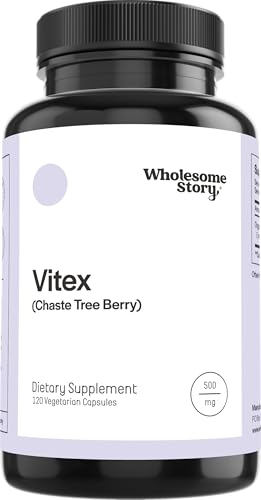
Wholesome Story Organic Vitex Chasteberry Supplement for Women | Hormone Balance, Fertility Support & Period Regulation | Vitex Berry Agnus Castus Extract | 120 Capsules | Chaste Tree Berry
Gaia Herbs Vitex Berry - Vitex Traditionally Used to Support Hormone Balance for Women & a Healthy Menstrual Cycle* - 60 Vegan Liquid Phyto-Caps (30 Servings) Zazzee USDA Organic Vitex, 500 mg Str

Nature's Way St. John's Wort Herb, Promotes a Positive Outlook*, 700 mg per 2-Capsule Serving, Non-GMO Project Verified, Vegan, 180 Capsules (Packaging May Vary) : Everything Else
Zazzee Extra Strength St. John’s Wort 20:1 Extract, 8000 mg Strength, 0.3% Hypericin, 150 Vegan Capsules, 5 Month Supply, Concentrated, Standardized 20X Extract, 100% Vegetarian, Non-GMO, All-Natural
Evidence & Sources
Promising research with growing clinical support from multiple studies
- American College of Obstetricians and Gynecologists (ACOG)
- National Center for Complementary and Integrative Health (NCCIH)
- Office on Women's Health (U.S. Department of Health & Human Services)
- Cochrane Database of Systematic Reviews
- American Family Physician
- Obstetrics & Gynecology
- The Lancet
- BMJ
- Journal of Affective Disorders
- Archives of Women's Mental Health
This content is for informational purposes only and does not constitute medical advice. Always consult a qualified healthcare provider before starting, stopping, or changing any supplement or medication regimen.