

Premenstrual Dysphoric Disorder
Also known as: PMDD
Overview
Premenstrual Dysphoric Disorder (PMDD) is a severe, cyclic mood disorder linked to the menstrual cycle. It is characterized by intense emotional and physical symptoms that typically emerge during the luteal phase—the one to two weeks before menstruation—and improve soon after bleeding begins. While it shares some features with premenstrual syndrome (PMS), PMDD is considered much more impairing, with symptoms significant enough to disrupt work, school, relationships, and daily functioning.
Common symptoms include marked irritability, mood swings, depressed mood, anxiety, emotional sensitivity, fatigue, sleep disruption, difficulty concentrating, changes in appetite, and physical symptoms such as breast tenderness or bloating. A defining feature is the cyclical pattern: symptoms recur predictably in relation to ovulation and menstruation rather than remaining constant throughout the month. PMDD is recognized in major diagnostic systems, including the DSM-5, as a distinct clinical condition.
Research suggests PMDD does not simply result from “too much” or “too little” hormone production. Instead, current understanding emphasizes an abnormal sensitivity to normal hormonal fluctuations, particularly changes in ovarian steroids and their effects on brain signaling systems such as serotonin and GABA. This may help explain why some individuals experience severe mood symptoms despite having hormone levels within expected ranges.
PMDD is clinically important because it can be associated with substantial quality-of-life impairment, elevated psychiatric burden, and, in some cases, increased risk of suicidal thoughts. For that reason, careful evaluation by qualified healthcare professionals is important, especially when symptoms are severe, worsening, or difficult to distinguish from depression, anxiety disorders, bipolar disorder, thyroid disease, or other overlapping conditions. Integrative discussions often explore hormone-related mechanisms, stress regulation, sleep, nutrition, and mind-body factors, but these are typically considered within the context of a comprehensive assessment rather than as stand-alone explanations.
Compare Treatment Options
PMS and menstrual pain are often discussed together because they can overlap in the same cycle, but they are not exactly the same problem. Premenstrual syndrome (PMS) refers to recurring physical, emotional, and behavioral symptoms that arise in the luteal phase before bleeding starts and improve soon after menstruation begins. Menstrual pain, often called dysmenorrhea, usually refers to cramping pelvic pain during the days just before or during bleeding. Some people mainly experience cramps, while others have a broader pattern that includes bloating, headaches, fatigue, irritability, breast tenderness, or mood changes. Treatment options vary because the biology can vary. In some cases, symptoms are driven largely by prostaglandins and uterine cramping; in others, symptom patterns may relate more to hormonal sensitivity, sleep disruption, stress, inflammation, or coexisting conditions such as endometriosis, fibroids, adenomyosis, migraine, or PMDD. Western approaches often focus on anti-inflammatory pain relief, hormonal cycle suppression, or symptom-targeted care. Eastern approaches such as acupuncture and traditional herbal medicine are commonly used to address cyclic pain patterns, stress reactivity, and whole-body symptom clusters. A useful decision process often depends on symptom severity, timing, impact on daily life, need for rapid relief, and comfort with medication or procedure-related risk.
View treatment comparison (6 options)Medical Perspectives
Two Ways of Seeing Health

Western
scientific · clinical
Western medicine applies science, technology, and clinical experience to treat symptoms through testing, diagnosis, and targeted intervention.

Eastern
traditional · alternative
Eastern medicine focuses on treating the body naturally by applying traditional knowledge practiced for thousands of years, emphasizing balance and whole-person wellness.
Gold Bamboo presents both perspectives side-by-side so you can make informed decisions. We don't advocate for one over the other — your health choices are yours.
Western Medicine Perspective
Western Medicine Perspective
In conventional medicine, PMDD is understood as a hormone-triggered mood disorder involving heightened neurobiological sensitivity to normal menstrual cycle changes. Studies indicate that fluctuations in estrogen and progesterone, and in downstream neuroactive compounds such as allopregnanolone, may interact with neurotransmitter systems involved in mood regulation. Serotonergic pathways have received particular attention, which is one reason selective serotonin reuptake inhibitors (SSRIs) are frequently discussed in the medical literature. PMDD diagnosis generally relies on prospective symptom tracking across at least two menstrual cycles, because confirmation depends on the timing and cyclical nature of symptoms.
Conventional evaluation also considers whether symptoms may reflect or overlap with another psychiatric or medical condition. Clinicians often distinguish PMDD from premenstrual exacerbation of underlying depression or anxiety, where a person has baseline symptoms that worsen before menstruation. Assessment may include menstrual history, psychiatric history, medication review, and screening for conditions such as thyroid dysfunction or anemia when clinically relevant. Because PMDD can significantly affect safety and functioning, mental health assessment is an important part of care.
From an integrative conventional perspective, research has explored several supportive areas, including sleep quality, exercise, stress physiology, nutritional status, and inflammation-related pathways. Some studies have examined calcium, vitamin B6, magnesium, chasteberry, and cognitive behavioral strategies for premenstrual symptoms, though the strength of evidence varies and findings are not uniform specifically for PMDD. Overall, western medicine tends to view PMDD as a legitimate biopsychosocial condition requiring individualized evaluation, especially when symptoms are severe or accompanied by suicidal ideation.
Eastern & Traditional Perspective
Eastern and Traditional Medicine Perspective
In Traditional Chinese Medicine (TCM), cyclical emotional and physical symptoms before menstruation are often interpreted through patterns involving Liver qi stagnation, sometimes combined with Blood deficiency, Spleen qi deficiency, or heat and phlegm-related disharmony, depending on the full symptom picture. Irritability, breast tenderness, and premenstrual tension are traditionally associated with constrained qi movement, while fatigue, digestive symptoms, and rumination may be framed differently. TCM assessment is pattern-based rather than diagnosis-based, meaning the same biomedical label may correspond to different traditional patterns in different individuals.
Traditional East Asian approaches commonly discuss support for the smooth flow of qi and blood, regulation of the menstrual cycle, and calming of the shen (spirit/mind). Modalities described in the literature include acupuncture, moxibustion, herbal formulas, dietary modulation, and stress-reducing practices. Some clinical research suggests acupuncture and related therapies may help reduce premenstrual symptoms, but study quality is mixed, and PMDD-specific evidence remains more limited than evidence for broader PMS symptom clusters.
In Ayurveda, severe premenstrual symptoms may be viewed through the lens of dosha imbalance, often involving disturbances in Vata affecting the nervous system and emotional regulation, sometimes alongside Pitta patterns linked with irritability, heat, and reactivity. Traditional frameworks also consider digestion, sleep, mental strain, and reproductive tissue balance. Naturopathic and other traditional systems similarly emphasize whole-person patterns—stress resilience, nutrient status, circadian rhythm, and hormonal adaptability—while acknowledging that severe mood symptoms warrant evaluation by qualified medical and mental health professionals.
Across traditional systems, the emphasis is often on cyclical regulation, mind-body balance, and constitution-specific care. However, these frameworks are not substitutes for emergency or psychiatric assessment when symptoms involve severe depression, functional collapse, or self-harm concerns. Integrative care models often place traditional approaches alongside conventional diagnosis and monitoring rather than in opposition to them.
Supplements & Products
Recommended Products
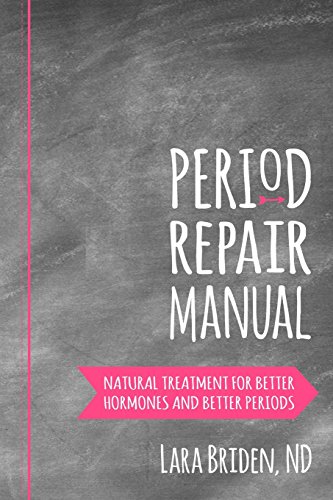
Period Repair Manual: Natural Treatment for Better Hormones and Better Periods: Briden ND, Lara
Her books Period Repair Manual, Hormone Repair Manual, and Metabolism Repair for Women are <strong>practical guides to better health using nutrition, supplements, and body-identical hormones</strong>.
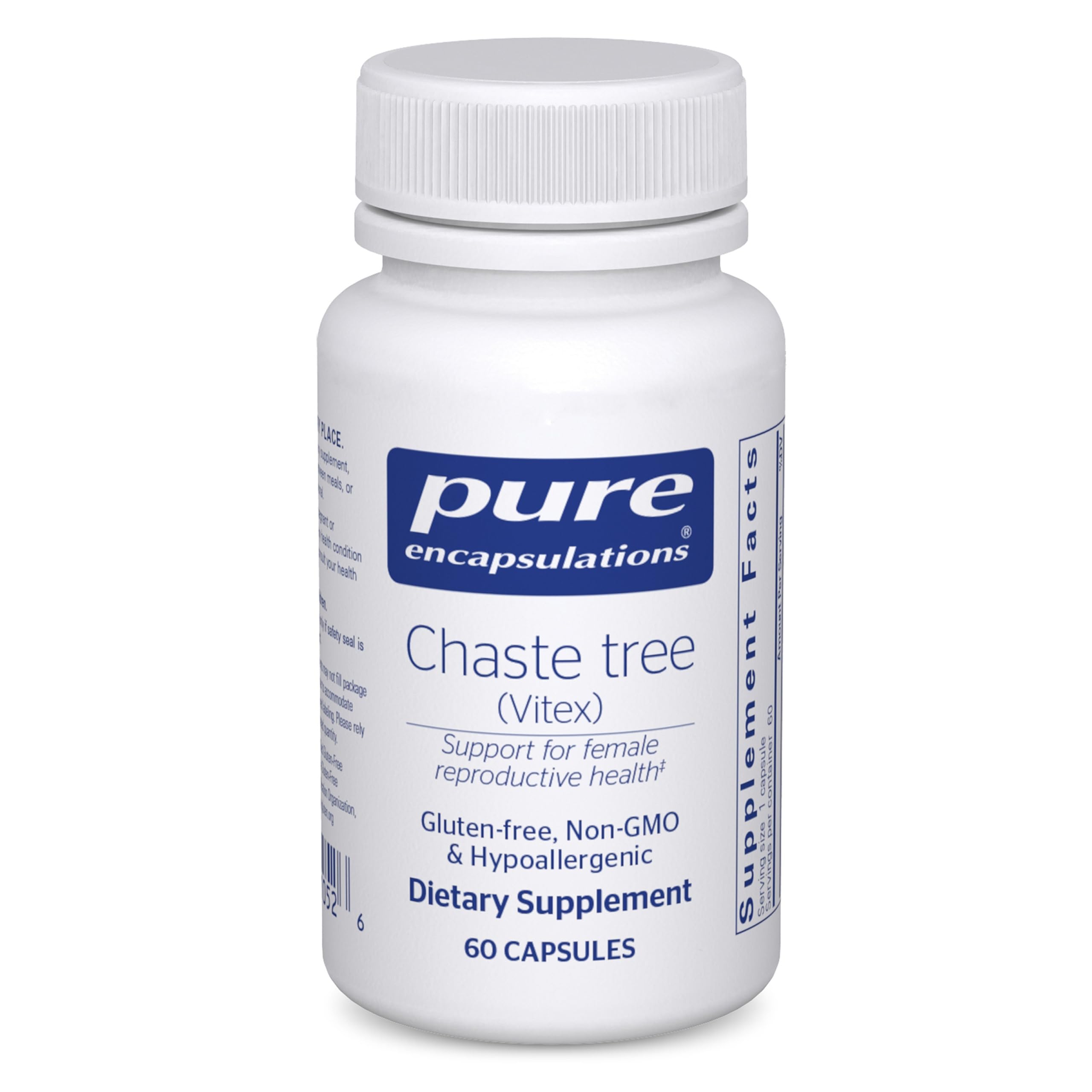
Pure Encapsulations Chaste Tree (Vitex) - Supports Menstrual Cycle Regularity - for Breast Comfort* - Women's Supplement - Hormonal Balance Support - Non-GMO & Vegan - 120 Capsules
Pure Difference: What we leave out matters, too; Pure Encapsulations products are FREE FROM common allergens, artificial or unnecessary ingredients, and GMOs ... Loading content. ... Loading content.
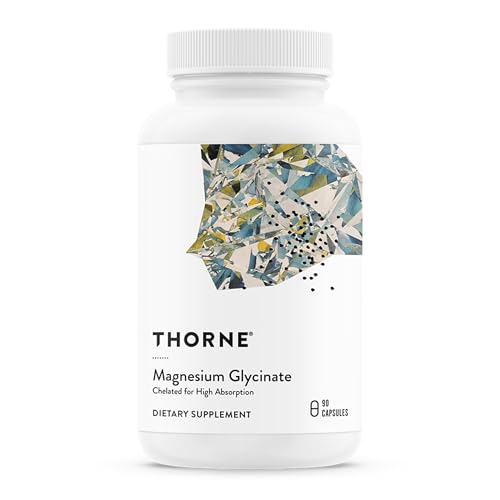
THORNE - Magnesium Glycinate - Supports Restful Sleep, Muscle Relaxation, Heart Health & Metabolism* - Chelated Magnesium Capsules - Third-Party Certified - Gluten, Dairy & Soy-Free - 90 Servings
Magnesium (as Magnesium Glycinate) 120 mg, Daily Value (DV). Other Ingredients: Hypromellose (derived from cellulose) capsule, Medium Chain Triglyceride Oil, Silicon Dioxide.
Evidence & Sources
Promising research with growing clinical support from multiple studies
- Diagnostic and Statistical Manual of Mental Disorders (DSM-5), American Psychiatric Association
- American College of Obstetricians and Gynecologists (ACOG)
- National Institute of Mental Health (NIMH)
- Office on Women's Health, U.S. Department of Health and Human Services
- National Center for Complementary and Integrative Health (NCCIH)
- Cochrane Database of Systematic Reviews
- The Lancet
- American Journal of Psychiatry
This content is for informational purposes only and does not constitute medical advice. Always consult a qualified healthcare provider before starting, stopping, or changing any supplement or medication regimen.