

Postural Orthostatic Tachycardia Syndrome
Also known as: POTS, Postural Orthostatic Tachycardia Syndrome, Postural Tachycardia Syndrome
Overview
Postural Orthostatic Tachycardia Syndrome (POTS) is a form of dysautonomia, meaning it involves dysfunction of the autonomic nervous system—the network that helps regulate automatic body functions such as heart rate, blood pressure, digestion, temperature regulation, and circulation. POTS is generally characterized by an excessive increase in heart rate when moving from lying down to standing, accompanied by symptoms such as lightheadedness, palpitations, fatigue, weakness, brain fog, exercise intolerance, nausea, tremulousness, and sometimes fainting or near-fainting. Although it is often discussed as a cardiovascular issue, it is increasingly understood as a multisystem condition affecting circulation, nervous system regulation, and quality of life.
POTS can affect people of many ages, but it is most commonly recognized in adolescents and younger adults, particularly women. Symptoms may begin after viral illness, surgery, concussion, pregnancy, prolonged bed rest, or other physiologic stressors, though in some cases no clear trigger is identified. Research also suggests overlap with conditions such as hypermobile Ehlers-Danlos syndrome, migraine, mast cell activation-related symptoms, autoimmune conditions, chronic fatigue-like syndromes, and post-viral syndromes including some cases following COVID-19. Because symptoms can be broad and fluctuate over time, diagnosis is sometimes delayed.
From a functional standpoint, POTS is often associated with impaired blood vessel regulation, reduced blood return to the heart when upright, altered autonomic reflexes, low blood volume in some patients, and elevated sympathetic nervous system activity in certain subtypes. This means the body may compensate for standing by driving the heart rate up disproportionately. The result can be a persistent cycle of orthostatic intolerance, exhaustion, reduced activity tolerance, and symptom flares triggered by heat, dehydration, large meals, menstruation, or physical exertion.
POTS is significant not only because of its symptoms, but because it can be deeply disruptive to daily functioning, affecting school, work, physical activity, and mental well-being. At the same time, it is important to distinguish POTS from anxiety alone, simple dehydration, or isolated deconditioning, even though these may overlap. Current understanding emphasizes that POTS is a real physiologic disorder with heterogeneous causes, and care often involves a combination of diagnostic evaluation, symptom management, lifestyle adaptation, and—in some cases—medication or rehabilitation-based support under medical supervision.
Medical Perspectives
Two Ways of Seeing Health

Western
scientific · clinical
Western medicine applies science, technology, and clinical experience to treat symptoms through testing, diagnosis, and targeted intervention.

Eastern
traditional · alternative
Eastern medicine focuses on treating the body naturally by applying traditional knowledge practiced for thousands of years, emphasizing balance and whole-person wellness.
Gold Bamboo presents both perspectives side-by-side so you can make informed decisions. We don't advocate for one over the other — your health choices are yours.
Western Medicine Perspective
Western / Conventional Medicine Perspective
In conventional medicine, POTS is understood as a clinical syndrome of orthostatic intolerance defined by a sustained rise in heart rate on standing—commonly 30 beats per minute or more in adults within 10 minutes of standing without the degree of blood pressure drop seen in classic orthostatic hypotension; in adolescents, a higher threshold is often used. Diagnosis typically involves a careful history, physical examination, orthostatic vital signs, and sometimes tilt-table testing. Clinicians may also evaluate for contributing factors such as anemia, thyroid disorders, dehydration, medication effects, cardiac rhythm problems, neuropathy, autoimmune disease, and connective tissue disorders. Because symptoms overlap with many other conditions, assessment is often multidisciplinary.
Current research suggests that POTS is not a single disease but a syndrome with multiple underlying mechanisms. Proposed subtypes include neuropathic POTS (with impaired peripheral vasoconstriction), hyperadrenergic POTS (with elevated sympathetic activation), hypovolemic presentations (with reduced blood volume), and forms associated with autoimmune or post-infectious triggers. Some studies also point to abnormalities in vascular tone, small fiber nerve function, renin-angiotensin-aldosterone signaling, and cerebral blood flow regulation. This heterogeneity helps explain why symptom patterns and treatment responses vary widely.
Conventional management generally focuses on symptom reduction and functional improvement, often starting with nonpharmacologic measures such as fluid optimization, sodium repletion when medically appropriate, compression garments, trigger avoidance, and structured recumbent or graded exercise programs. Medications are sometimes used selectively to support vascular tone, blood volume, heart rate control, or autonomic balance, but no single therapy works for all patients. Research supports individualized management, especially when POTS occurs alongside migraine, gastrointestinal symptoms, sleep disturbance, chronic pain, or post-viral fatigue states. Because these strategies can be inappropriate or unsafe for some people—such as those with kidney disease, hypertension, heart conditions, or other contraindications—clinical guidance is considered important.
Mainstream medicine also recognizes the need to address the psychological and social burden of POTS without reducing the condition to a mental health disorder. Patients may experience prolonged diagnostic journeys, reduced activity, and secondary anxiety related to unpredictable symptoms. Rehabilitation, education, pacing, and coordinated care are often discussed as part of comprehensive support.
Eastern & Traditional Perspective
Eastern / Traditional Medicine Perspective
Traditional systems such as Traditional Chinese Medicine (TCM), Ayurveda, and naturopathic medicine do not define POTS by the same heart-rate criteria used in modern cardiology, but they often interpret its symptom pattern through broader frameworks involving circulation, vitality, nervous system regulation, fluid balance, and stress adaptation. Symptoms like dizziness on standing, palpitations, fatigue, shortness of breath, digestive irregularity, poor temperature regulation, and mental cloudiness may be understood as reflecting an imbalance in the body’s regulatory systems rather than a single isolated organ problem.
In TCM, presentations resembling POTS may be discussed in relation to patterns such as Qi deficiency, Blood deficiency, Heart and Spleen deficiency, Kidney deficiency, or disruption of the Shen and autonomic regulation. Dizziness and weakness may be linked to insufficient nourishment of the brain and vessels; palpitations and anxiety-like sensations may be associated with Heart system imbalance; and fatigue with poor fluid transformation may be related to Spleen Qi weakness. Traditional East Asian approaches have historically used acupuncture, breathing practices, moxibustion, movement therapies, and individualized herbal formulations in an effort to support autonomic balance, circulation, resilience, and energy regulation. Modern research into acupuncture for autonomic disorders is growing, though POTS-specific evidence remains limited.
In Ayurveda, a POTS-like picture may be interpreted through dysregulation of Vata dosha, particularly when symptoms include lightheadedness, variable heart sensations, weakness, nervous system hypersensitivity, digestive irregularity, and stress-triggered flares. Depending on the individual pattern, concepts involving ojas depletion, agni disturbance, or impaired circulation of prana and rasa may also be invoked. Traditional Ayurvedic care may include routine stabilization, restorative dietary principles, breath practices, body therapies, and botanical support tailored to constitution and symptoms, though rigorous clinical evidence specific to POTS is still sparse.
Naturopathic and integrative practitioners often frame POTS within a systems-based model that considers hydration status, nutrient sufficiency, stress physiology, sleep quality, gut symptoms, inflammation, and post-viral recovery. These approaches may overlap substantially with conventional lifestyle-based support while also incorporating mind-body therapies and traditional tools. Across eastern and traditional systems, it is important to note that use is generally adjunctive rather than substitutive, especially because POTS can overlap with cardiac, neurologic, endocrine, and immune conditions that merit medical evaluation.
Supplements & Products
Recommended Products

The Dysautonomia Project: Understanding Autonomic Nervous System Disorders for Physicians and Patients: Kelly Freeman, David S. Goldstein, Charles R. Thompson
CFS Unravelled: Get Well By Treating The Cause Not Just The Symptoms Of CFS, Fibromyalgia, POTS & Related Syndromes ... Brief content visible, double tap to read full content. Full content visible
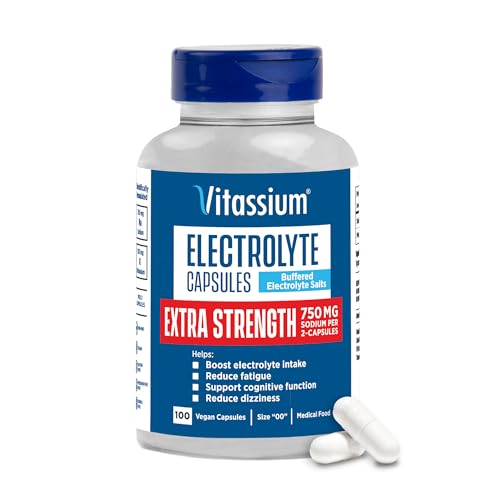
Vitassium Electrolyte Capsules, Electrolytes for The Management of POTS and High Sodium Diets (500mg Sodium - 100mg Potassium), Unflavored, 100 Salt Pills (Size 0) : Everything Else
Buy Vitassium Electrolyte Capsules, Electrolytes for The Management of POTS and High Sodium Diets (500mg Sodium - 100mg Potassium), Unflavored, 100 Salt Pills (Size 0) on Amazon.com ✓ FREE SHIPPING on
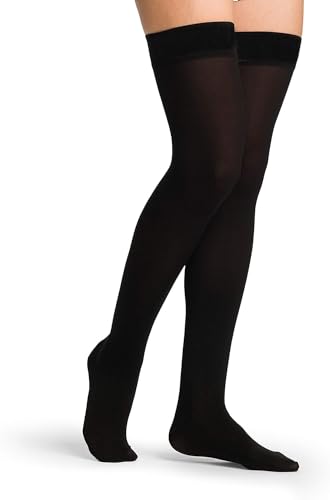
SIGVARIS Women’s Essential Opaque 860 Open Toe Thigh-Highs w/Grip Top & Waist Attachment 30-40mmHg - Light Beige - Large Long
Amazon.com: SIGVARIS Women’s Essential Opaque 860 Open Toe Thigh-Highs w/Grip Top & Waist Attachment 30-40mmHg - Light Beige - Large Long : Health & Household
Evidence & Sources
Promising research with growing clinical support from multiple studies
- Heart Rhythm Society Expert Consensus Statement on the Diagnosis and Treatment of Postural Tachycardia Syndrome, Inappropriate Sinus Tachycardia, and Vasovagal Syncope
- Canadian Cardiovascular Society Position Statement on Postural Orthostatic Tachycardia Syndrome and Related Disorders
- Journal of the American College of Cardiology (JACC)
- Circulation
- Autonomic Neuroscience: Basic and Clinical
- National Institute of Neurological Disorders and Stroke (NINDS)
- National Center for Complementary and Integrative Health (NCCIH)
- Mayo Clinic Proceedings
- The Lancet Neurology
- Journal of Internal Medicine
This content is for informational purposes only and does not constitute medical advice. Always consult a qualified healthcare provider before starting, stopping, or changing any supplement or medication regimen.