

Post‑Traumatic Stress Disorder (PTSD)
Overview
Post‑Traumatic Stress Disorder (PTSD) is a mental health condition that can develop after exposure to actual or threatened death, serious injury, sexual violence, or other overwhelming events. Trauma may be experienced directly, witnessed, learned about in relation to a close other, or encountered repeatedly in professional settings, as can occur among first responders, military personnel, and healthcare workers. While many people experience stress reactions after trauma, PTSD refers to a more persistent pattern of symptoms that can significantly affect daily functioning, relationships, sleep, concentration, and physical health.
Core symptom clusters commonly include intrusive memories or flashbacks, avoidance of reminders, negative changes in mood or thinking, and heightened arousal or reactivity such as hypervigilance, irritability, exaggerated startle response, or sleep disruption. PTSD can also occur alongside depression, anxiety, substance use disorders, chronic pain, and traumatic brain injury. In some individuals, symptoms are accompanied by dissociation, emotional numbing, shame, guilt, or difficulties with trust and attachment. Research also recognizes that trauma can have broad effects on the nervous system, endocrine function, immune signaling, and cardiovascular health.
PTSD affects both civilians and military populations, with risk shaped by factors such as trauma severity, prior trauma exposure, childhood adversity, limited social support, ongoing stress, and coexisting psychiatric or medical conditions. Not everyone exposed to trauma develops PTSD, and recovery pathways vary widely. Some individuals experience gradual improvement over time, while others have chronic or delayed-onset symptoms. Because trauma responses can be deeply individualized, careful assessment by qualified healthcare professionals is important.
From a broader health perspective, PTSD is increasingly understood as a whole-person condition involving mind, body, behavior, and social context. Conventional medicine emphasizes trauma-focused psychotherapy and, in some cases, medication as evidence-based components of care. Traditional and integrative systems often frame trauma-related symptoms through patterns of disturbed regulation, vitality, or mind-body imbalance, and may incorporate practices intended to support grounding, sleep, emotional regulation, and resilience. Across perspectives, a trauma-informed approach that respects safety, pacing, and professional guidance is considered essential.
Western Medicine Perspective
Western Medicine Perspective
In conventional medicine, PTSD is defined by diagnostic criteria such as those in the DSM-5-TR and ICD-11. Assessment typically considers the nature of the traumatic exposure, duration of symptoms, severity of impairment, and the presence of related conditions including depression, panic, substance use, dissociation, or suicidal thinking. Contemporary neuroscience models describe PTSD as involving altered processing in brain networks related to fear conditioning, threat detection, memory consolidation, and emotional regulation, including the amygdala, hippocampus, and prefrontal cortex. Studies also indicate dysregulation of stress-response systems such as the hypothalamic-pituitary-adrenal axis and autonomic nervous system.
Evidence-based treatment in conventional settings centers on trauma-focused psychotherapies. Major clinical guidelines frequently highlight approaches such as cognitive processing therapy (CPT), prolonged exposure (PE), and trauma-focused cognitive behavioral therapy, with EMDR (eye movement desensitization and reprocessing) also supported in many guideline frameworks. These therapies aim to reduce traumatic re-experiencing, avoidance, and maladaptive beliefs while improving functioning and emotional regulation. Pharmacologic approaches, including certain antidepressants, may be used in selected cases, particularly when symptoms are persistent or co-occur with depression or anxiety; however, medication is generally viewed as one part of a broader treatment plan rather than a stand-alone solution.
Western medicine also emphasizes that PTSD care is not limited to symptom reduction. Screening for sleep disorders, chronic pain, substance use, self-harm risk, and social instability is often important because these factors can reinforce trauma-related suffering. In recent years, clinicians and researchers have also paid greater attention to complex trauma, moral injury, and culturally responsive care. Although a number of adjunctive interventions are being studied—including mindfulness-based therapies, exercise, neurofeedback, and digital therapeutics—the strength of evidence varies, and individualized clinical evaluation remains central.
Eastern & Traditional Perspective
Eastern / Traditional Medicine Perspective
Traditional systems generally do not describe PTSD using a single identical diagnostic label, but many have long recognized patterns resembling persistent fear, disturbed sleep, intrusive recollection, palpitations, agitation, fatigue, and loss of vitality after shock or overwhelming life events. In Traditional Chinese Medicine (TCM), trauma-related symptoms may be interpreted through disruptions of the Shen (spirit/mind), imbalance of the Heart and Kidney systems, Liver qi stagnation, or lingering effects of fright that disturb sleep, emotional steadiness, and embodiment. TCM frameworks often emphasize restoring regulation, grounding, and harmony rather than focusing solely on isolated symptoms.
In Ayurveda, trauma-related presentations may be understood through aggravation of Vata dosha, particularly when symptoms include fearfulness, insomnia, hyperarousal, restlessness, dissociation, and instability. Ayurveda traditionally views the mind-body system as highly responsive to shock, depletion, and sensory overload, with healing centered on re-establishing steadiness, nourishment, routine, and mental calm. Related naturopathic and integrative traditions may similarly frame PTSD through nervous system dysregulation, impaired stress resilience, inflammation, sleep disturbance, and disconnection from bodily cues.
Traditional and integrative approaches commonly include modalities such as acupuncture, breathwork, meditation, yoga, tai chi, manual therapies, ritual or community-based support, and individualized herbal frameworks. Research on some of these approaches—especially mindfulness-based interventions, yoga, and acupuncture—suggests possible benefits for stress regulation, sleep, and quality of life in some people with PTSD, but findings are mixed and methods are heterogeneous. For that reason, these approaches are generally discussed as complementary or supportive within an integrative model, ideally delivered in a trauma-informed manner and coordinated with licensed mental health care when appropriate.
Across traditional systems, practitioners often stress that trauma can affect the body as well as the mind, and that safety, trust, pacing, and therapeutic relationship are foundational. Because some mind-body or body-based practices may intensify symptoms in certain individuals, evaluation by qualified healthcare professionals is important when considering integrative care.
Supplements & Products
Recommended Products

The Body Keeps the Score: Brain, Mind, and Body in the Healing of Trauma: van der Kolk M.D., Bessel
Bessel van der Kolk may focus on ... Children “The Body Keeps the Score <strong>eloquently articulates how overwhelming experiences affect the development of brain, mind, and body awareness</strong>,
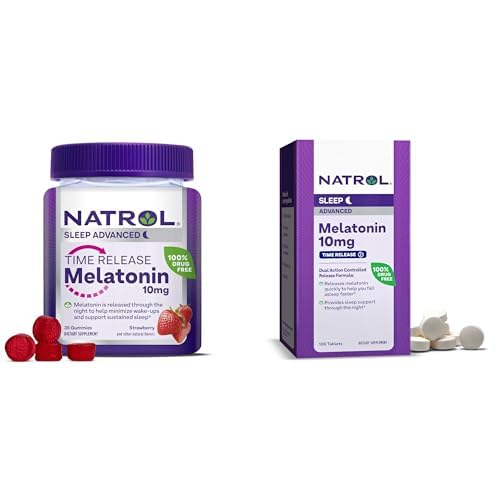
Natrol Melatonin 3 mg Time Release, Dietary Supplement to Minimize Wake Ups, Nighttime Sleep Aid, 100 Tablets, Up to a 100 Day Supply
Life Extension Melatonin 6 Hour Timed Release, 3 mg, Extended-Release Formula for Optimal Sleep Support, Healthy circadian Rhythms, Cellular Defense, Gluten-Free, Non-GMO, Vegetarian, 60 Tablets · Nat
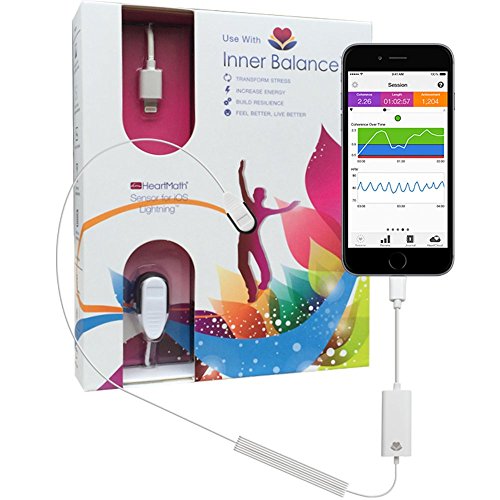
HeartMath Inner Balance Lightning
Research shows that when we are ... improved cognitive function. Inner Balance <strong>uses HeartMath's patented technology to monitor the subtle beat-to-beat changes in your heart rhythms</stron
Evidence & Sources
Supported by multiple clinical trials and systematic reviews
- American Psychiatric Association, DSM-5-TR
- World Health Organization, ICD-11
- VA/DoD Clinical Practice Guideline for the Management of Posttraumatic Stress Disorder and Acute Stress Disorder
- National Center for PTSD, U.S. Department of Veterans Affairs
- National Institute for Health and Care Excellence (NICE) Guideline: Post-traumatic stress disorder
- Cochrane Database of Systematic Reviews
- National Center for Complementary and Integrative Health (NCCIH)
- The Lancet Psychiatry
- JAMA Psychiatry
- World Psychiatry
This content is for informational purposes only and does not constitute medical advice. Always consult a qualified healthcare provider before starting, stopping, or changing any supplement or medication regimen.